






American Pantry Scout

Regional food, shipped nationally

  1. 42How the FTC treats Made in USA claims on US pantry labelsMade in USA claim rules turn on the FTC enforcement standard, the Made in USA Labeling Rule, and USDA origin rules for regional pantry labels.Rules
  2. 41How Portland cottage food producers verify provenance for pantry brandsPortland cottage food producers verify provenance with Oregon licensing, farm-direct records and label checks that buyers can test before ordering.Guides
  3. 40Asheville and Burlington compared as small-city pantry marketsSmall-city pantry markets in Asheville and Burlington hinge on state cottage food rules, tourism demand and how co-op distribution works in each city.Features
  4. 39Appalachian apple butter economics, from orchard prices to co-op marginsAppalachian apple butter economics tracks orchard prices, named co-ops in Kentucky, West Virginia and North Carolina, seasonal swings, and the margin left in a jar.Costs
  5. 386 ways to serve independent food brands without wasting a single jarFive ways to serve: a strong jar goes further than people expect, and the difference between a good plate and a wasted one is usually the size of the first serving.Features
  6. 37Independent Food Brands Trends: 10 to KnowTen named pantry brands, from Bob's Red Mill to Bueno Foods, plus the independent food brands trends shaping what a label really tells you.Industry
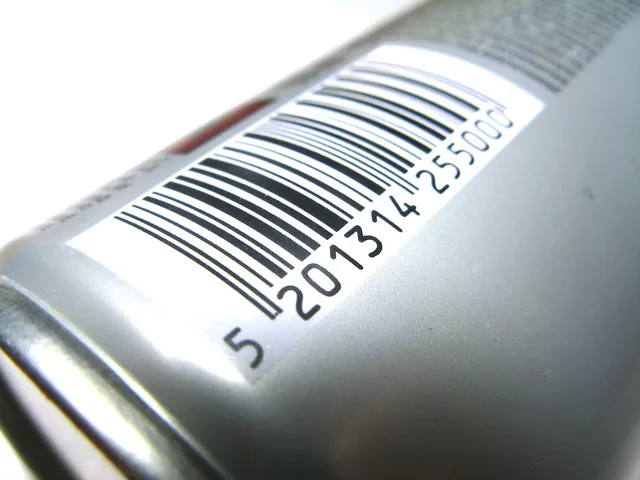
  7. 36Independent food brands deserve a barcode and processing review before the first orderRetailer checklist for stocking independent food brands: before a first order, confirm the barcode, the processing rules that apply to that specific food.Reviews
  8. 35Pantry jar sales channels: what they cannot proveFor independent brands USA shoppers, sales channels explain who sells a jar and who moves it — not where its ingredients grew or whether a local claim holds.Costs
  9. 34Independent Food Brands: Reading the Label ClaimIndependent food brands: FDA has no ownership standard for “independent.” See which food and origin rules apply, and how USPTO records help check a brand name.Industry
  10. 33Which distribution choices actually reveal an independent food brand's futureIndependent food brands companies: their channel — market stall, specialty shelf or grocery aisle — reveals more about the next two years than a founder story.Industry
  11. 326 Specialty Food Tasting Mistakes, and How to Avoid Them in a Regional FlightSix mistakes that spoil a tasting flight of regional specialty foods, and how to avoid each: vague questions, the wrong test, results read as magnitudes, room bias, uneven samples and one-jar verdicts.Rules
  12. 31A shelf-stable specialty food shipment arrives with dates and storage problems, cheap to fix earlyA shipment of shelf-stable food arrives with dates you will misread and storage you have not planned, and both problems are cheaper to fix on arrival day.Reviews
  13. 30Why gluten-free claims on a specialty food label carry a real numberGluten-free is one of the few marketing words on a package with a number behind it, and knowing that number changes how you read every claim next to it.Reviews
  14. 29Why opened specialty food jars get wasted, and how to stop itMost specialty food is wasted after it is opened, through jar size, serving habits, time out of the refrigerator and the habit of saving something good for an occasion that never comes.Reviews
  15. 28Canning methods a specialty food shop should not accept from preserve producersShops buying small producer's preserves will find the canning methods that disqualify a producer, plain questions to ask, and how to read the answers.Industry
  16. 27Specialty food mistakes that cost the most: overbuying and bad preservingOverbuying and untested preservation are the two specialty pantry mistakes that cost the most, and both are decided early: at the register or before the first jar is filled.Maintenance
  17. 26Pantry tasting methods storage for regional foodsPantry tasting methods storage for regional foods: compare like products side by side, then protect oil-rich nuts, oils, and spices from air, light, and heat.Reviews
  18. 25Specialty foods businesses: why shops stock jars before produceSpecialty foods businesses meet light rules on shelf-stable jars and a federal license on produce: where the PACA thresholds sit and why shops start small.Industry
  19. 24Specialty foods labels: why a missing Contains line mattersSpecialty foods labels: learn why a Contains line is optional, what FDA law requires, and how to check a regional product's ingredient list.Reviews
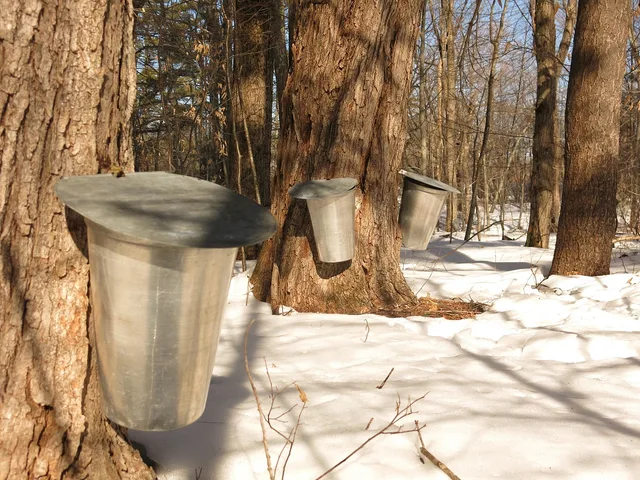
  20. 23Why State Food Specialties Makers Depend on a Narrow WindowState food specialties makers depend on a narrow harvest window. Sorghum, Vidalia onions, maple syrup and Hatch chiles trace scarcity to a short field season.Industry
  21. 22What a higher price pays for in small-batch pantry goodsPantry brand discovery on price: what a higher price pays for in small-batch goods, from batch size and packaging to New York's license fees and certification.Costs
  22. 21Pantry brand discovery, reviewed for 2027A 2027 review of pantry brand discovery names small-batch producers worth finding and store-shelf checks that tell you which jars to buy again.Features
  23. 20Top independent heritage pantry brands for 2027, reviewedHeritage crops cost more because they yield less and take more handling, and the current research on them is aimed at exactly those two problems.Costs
  24. 19Heritage pantry products need a provenance check before a shop places its first orderHeritage products arrive in small lots with unpredictable supply, so a buyer needs a checklist built around provenance, harvest year and honesty about gaps.Reviews
  25. 18Regional American foods businesses: five buyer questionsFor buyers evaluating regional American foods businesses, five questions can clarify whether a market-tested product is ready for a store shelf.Industry
  26. 17How to build a regional American tasting flight with a ballot and a fixed orderA regional American tasting flight uses a fixed order and a consistent ballot so each month's tasting notes can be read against the March baseline.Guides
  27. 16Pantry brand discovery retail: a shop's pre-order checklistPantry brand discovery retail goes smoother when a shop confirms licenses, insurance, lot codes and traceability records before the first order ships.Reviews
  28. 15How to Check the Origins of Regional American FoodsA practical guide to regional American foods: check federal marketing orders, state rules, producer disclosures and labels before trusting an origin claim.Guides
  29. 14Testing a heritage claim on a pantry label: what federal variety protection coversHow to test a heritage claim on a pantry label: why a named variety matters, the five federal criteria for a variety, and the four questions to ask.Industry
  30. 13Producer claims compared with what a heritage pantry category can actually supportHeritage pantry labels make specific variety claims, so compare each producer's wording against what the category can actually deliver in practice.Reviews
  31. 125 points worth checking on heritage pantry productsSix low-cost ways to learn a heritage food category, from a side-by-side cook test to growing a single plant of the variety you have been buying for years.Features
  32. 115 things to weigh up on heritage pantry productsFive checks decide whether a heritage pantry product is worth its shelf space: variety name, seed source, harvest year, organic fit and honest shelf life.Industry
  33. 10How to Research Regional Pantry Foods by CategoryPantry brand discovery planning starts with one regional food category: check certification rules, learn who made it, and log repeat-buy decisions.Guides
  34. 09State Food Specialties Tasting: A Maple Syrup MethodState food specialties tasting starts with maple syrup: see why density matters, how to isolate one variable, and how to record a fair at-home comparison.Reviews
  35. 08Build your own pantry brand discovery list from certification rules, grade standards and receiptsA beginner's method for pantry brand discovery using three public records: state certification conditions, federal grade standards, and your own receipts.Industry
  36. 074 label rules reshaping pantry brand discovery for buyers heading into 2027Four labeling and recordkeeping rules will change what pantry buyers see on jars and what small producers must document on compliance sheets before 2028.Industry
  37. 06State food specialties status ranges from symbolic to strictly regulatedState food specialties range from a symbolic legislative nod to a labeling law with teeth, and knowing which kind you are holding changes what the name is worth.Features
  38. 05Cold chain versus branding: what actually decides a regional food boxTwo regional food boxes can carry the same brand names and arrive in very different condition, because the cold chain decides what you actually taste.Reviews
  39. 04Regional food subscriptions: check the terms firstSpecialty foods reviews can't show every contract detail. Check cancellation, skip, substitution and refund terms before joining a regional food subscription.Reviews
  40. 03Regional American Foods Labels: Four Core ElementsRegional American foods labels: the four common federal label elements, key exemptions, and how U.S.-origin and regional claims are regulated.Reviews
  41. 02Public failure lists from state inspectors make the best specialty food buying checklistState inspectors publish what they actually find wrong with specialty products on retail shelves, and their list of failures is the best buying checklist available.Reviews
  42. 01Build, share or co-pack: how small specialty foods brands get madeSpecialty foods brands can build a kitchen, rent a shared one or hire a co-packer: what each route involves and the co-packer questions that become cost lines.Costs

Start here

Latest from American Pantry Scout
