Industry
Part of Producer claims compared with what a heritage pantry category can actually support
Testing a heritage claim on a pantry label: what federal variety protection covers
How to test a heritage claim on a pantry label: why a named variety matters, the five federal criteria for a variety, and the four questions to ask.
What to take away
- We publish no brands list here, because we have not bought from or inspected any producer.
- A named variety is checkable. A vague heritage claim is not, and the difference is the whole game.
- Federal plant variety protection has five criteria and a fixed term, which tells you what a variety name is meant to mean.
- Farmers may save seed of protected varieties on their own land within limits, which is why old varieties persist outside commerce.
Why the list is absent
A brands to know list would be a ranking, and ranking producers honestly requires buying from them repeatedly and looking at how they work. We have not done that. What follows is what we can do instead: show where a claim can be tested.
Start at the variety name
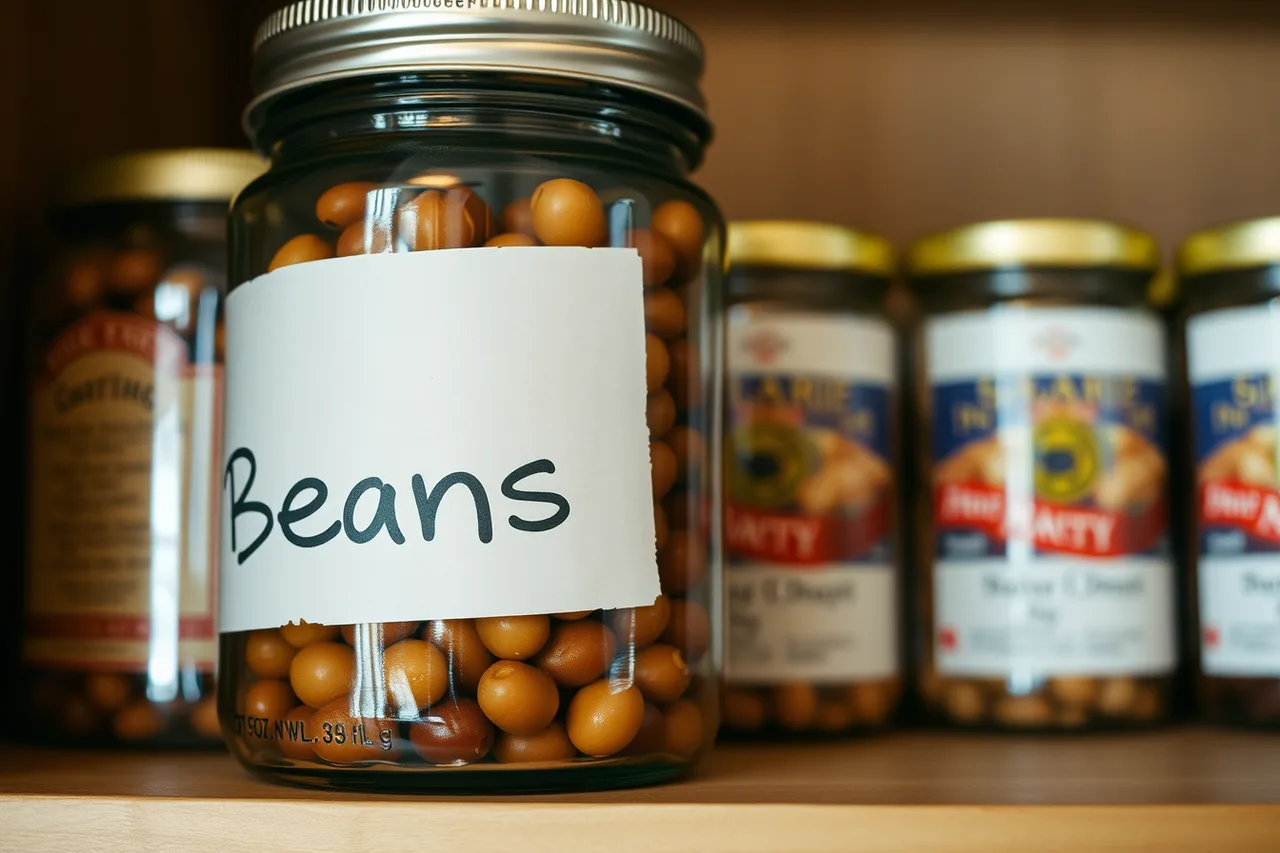
The single most useful thing on a heritage label is a specific variety name, not a category like heirloom beans or ancient grain. A named bean or named wheat can be looked up in seed catalogs, extension publications and germplasm records. A category word cannot.
Those germplasm records are held by a public collection system that decides which varieties stay orderable at all.
If a producer will not name the variety, that is worth noticing. Sometimes there is a commercial reason, such as an exclusive arrangement with a grower. Often there is no variety at all, only a style, and the word heirloom is describing an aesthetic rather than a seed.
The test is easy to apply in a shop. Read the package and ask yourself whether anything on it could be looked up by somebody else. If not, you are being asked to take the producer's word for the whole claim.
What the federal system says a variety is
The Plant Variety Protection Act provides intellectual property protection to breeders of new plant varieties that are sexually reproduced by seed or tuber-propagated. It is worth knowing because it defines what the word variety is doing.
The Plant Variety Protection Office administers the Act of 1970, as amended in 2018, as a fee-for-service program. It examines applications against five criteria: the variety must be new, distinct, uniform and stable, and appropriately named. Certificates give owners 20 years of exclusive rights, or 25 for trees and vines.
Two things follow. Distinct, uniform and stable is a demanding standard, which is why not everything called a variety is one. And a 20-year term means most genuinely old varieties are long out of protection and free for anyone to grow.
A four-question test for a heritage claim
Four-question test
- What is the variety called, exactly?
- Where did the seed or stock come from?
- How many years has this producer grown or bought it?
- Is the same variety documented anywhere outside the producer's own website?
A shop buying for a shelf asks those four and one more, which is how much of this year's lot exists.
Building your own list from that
Building your own list
| Evidence | Weight |
|---|---|
| Named variety documented elsewhere | Strong |
| A named farm or seed source | Strong |
| A harvest year on the package | Useful |
| The words heritage, ancient or old-world alone | None |
Assemble five producers who pass the first two rows and you have a better list than any published one, because you know what each entry is based on. The wider method is in planning brand discovery, and the category trade-offs are in heritage products compared.