Costs
Part of Producer claims compared with what a heritage pantry category can actually support
Top independent heritage pantry brands for 2027, reviewed
Heritage crops cost more because they yield less and take more handling, and the current research on them is aimed at exactly those two problems.
What to take away
- Heritage pantry prices come from agronomylower yield, hand weeding, small milling runs, seed increase.
- Typical retail runs three to six times commodity, at about $6 to $13 per pound for heirloom beans and $12 to $18 per two-pound bag of Carolina Gold rice.
- Each step up the ladder buys something specific, and the top step usually buys tiny acreage rather than better flavor.
- Named producers sit at different steps, so compare Anson Mills, Carolina Plantation Rice, Marsh Hen Mill and Rancho Gordo inside one category.
- For 2027, prices should hold where acreage is the binding limit and ease only where research cuts hand weeding.
The cost stack behind a heritage price
Five costs sit between a heritage crop and the bag on your shelf.
- Yield per acre, usually lower than the modern commodity line.
- Hand labor, especially weeding in organic systems.
- Processing, since old grains often need separate milling runs.
- Seed increase, because there is not enough seed to plant a large area at first.
- Risk, since a failed year has no commodity-scale market behind it.
The arithmetic is blunt, and a specialty food budget breaks down the same way before ingredients matter.
North Carolina State's account of the Carolina Gold rice comeback shows the first two costs at once. The crop covered thousands of Tidewater acres in the 1800s before hurricanes ended production.
[figure 1]

About a century passed before Pamlico County farmers grew it again, sometimes as much for ducks as for grain. Nobody held current knowledge of equipment, timing, drying or milling. Early buyers paid for that relearning.
What each price step tends to buy
What each price step buys
Typical retail landmark
- Two to three times
- $3 to $5 per pound for flour or grits
- Three to five times
- $6 to $13 per pound for heirloom beans
- Five times and up
- $12 to $18 per two-pound bag of Carolina Gold rice
What it usually reflects
- Two to three times
- A named variety and a smaller lot
- Three to five times
- Single-farm lots, stored variety by variety
- Five times and up
- Tiny acreage, seed increase, milling in small runs
Those bands are typical retail, not quotes. Freight moves them, and so does bag size, since a one-pound bag always costs more per pound than a five-pound bag. Before accepting a step as fair, test the producer claims against what a category can support.
Named independent heritage pantry brands, reviewed by price
Named brands reviewed
| Brand | Home base | Typical retail | The step it buys |
|---|---|---|---|
| Anson Mills | Columbia, S.C. | $12 to $18 per 2 lb Carolina Gold rice | Small-run milling, low acreage |
| Carolina Plantation Rice | Darlington, S.C. | $9 to $14 per 2 lb Carolina Gold rice | One variety, single-state growing |
| Marsh Hen Mill | Edisto Island, S.C. | $8 to $12 per 2 lb stone-ground grits | Old corn varieties, small-batch milling |
| Rancho Gordo | Napa, Calif. | $6 to $13 per lb heirloom beans | Named varieties, single-farm lots |
| Maine Grains | Skowhegan, Maine | $4 to $8 per lb stone-milled flour | Fresh milling, a regional grain economy |
| Coombs Family Farms | Vermont | $16 to $28 per quart maple syrup | Wood-fired small lots, graded by color |
Two more names sit at the same steps. Zursun sells Idaho heirloom beans and lentils by variety, priced close to the Rancho Gordo band. Ellsworth Cooperative Creamery in Wisconsin ships cheese curds at roughly $6 to $9 per pound, where freshness sets the premium rather than rarity.
Maple is the one category where the price difference sits on the label, because color class tracks flavor and kitchen use, as the grading systems set out.
What a higher price does not buy
It does not buy consistency. A small heritage lot varies by field and year, and there is not enough volume to blend the difference away. It also does not buy availability. When a crop fails, no substitute lot ships.
Treat both as features of the category. A producer cannot fix either one without becoming a different kind of business.
Example: two pounds of Carolina Gold against commodity long grain
A two-pound bag of Carolina Gold at $14 works out to $7 per pound. Commodity long grain at about $1.50 per pound costs under a quarter of that. The difference buys the variety, the small mill run and the field it came from.
One purchase settles the question, and the side-by-side cook test is the cheapest way to run it.
The 2027 outlook for heritage pantry prices
The Clemson-led iCORP project attacks the biggest line in the stack. Its full title is Increasing Coastal Organic Rice Production in South Carolina Using Salt Tolerant Cultivars, paid for through the federal Organic Transitions Program.
[figure 2]
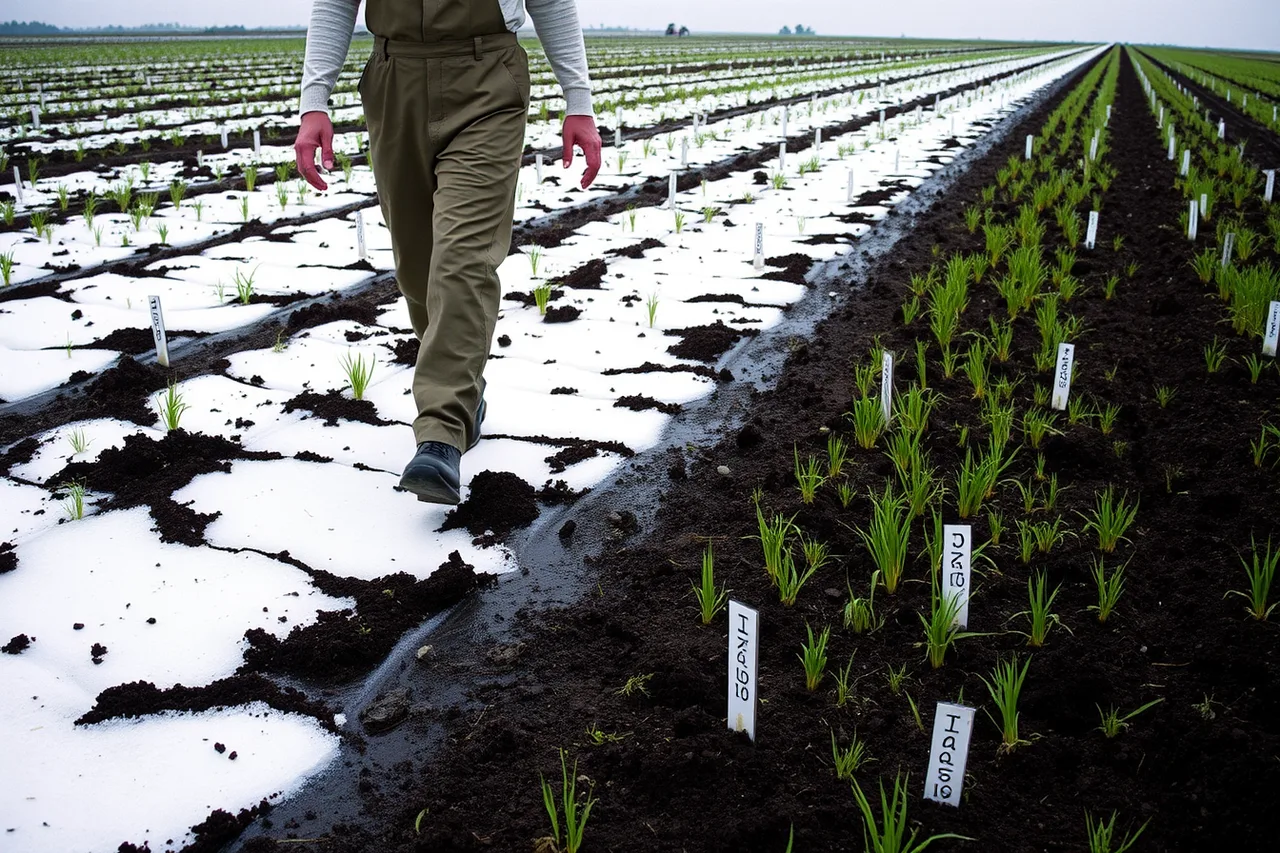
Two aims matter for price. Salt-tolerant cultivars could put salt-crusted marginal land into production, which raises acreage. Stronger weed competition could cut hand weeding, the largest labor cost.
Neither aim moves shelf prices in 2027. Where acreage is the binding limit, and it usually is, more acres is the only mechanism that pushes the top step down. Expect 2027 to look much like 2026, with firm prices at the top and slow easing in the middle.
For the national picture, getting started with regional American foods in 2027 maps the categories better than any single brand list.