Costs
Part of Which distribution choices actually reveal an independent food brand's future
Pantry jar sales channels: what they cannot prove
For independent brands USA shoppers, sales channels explain who sells a jar and who moves it — not where its ingredients grew or whether a local claim holds.
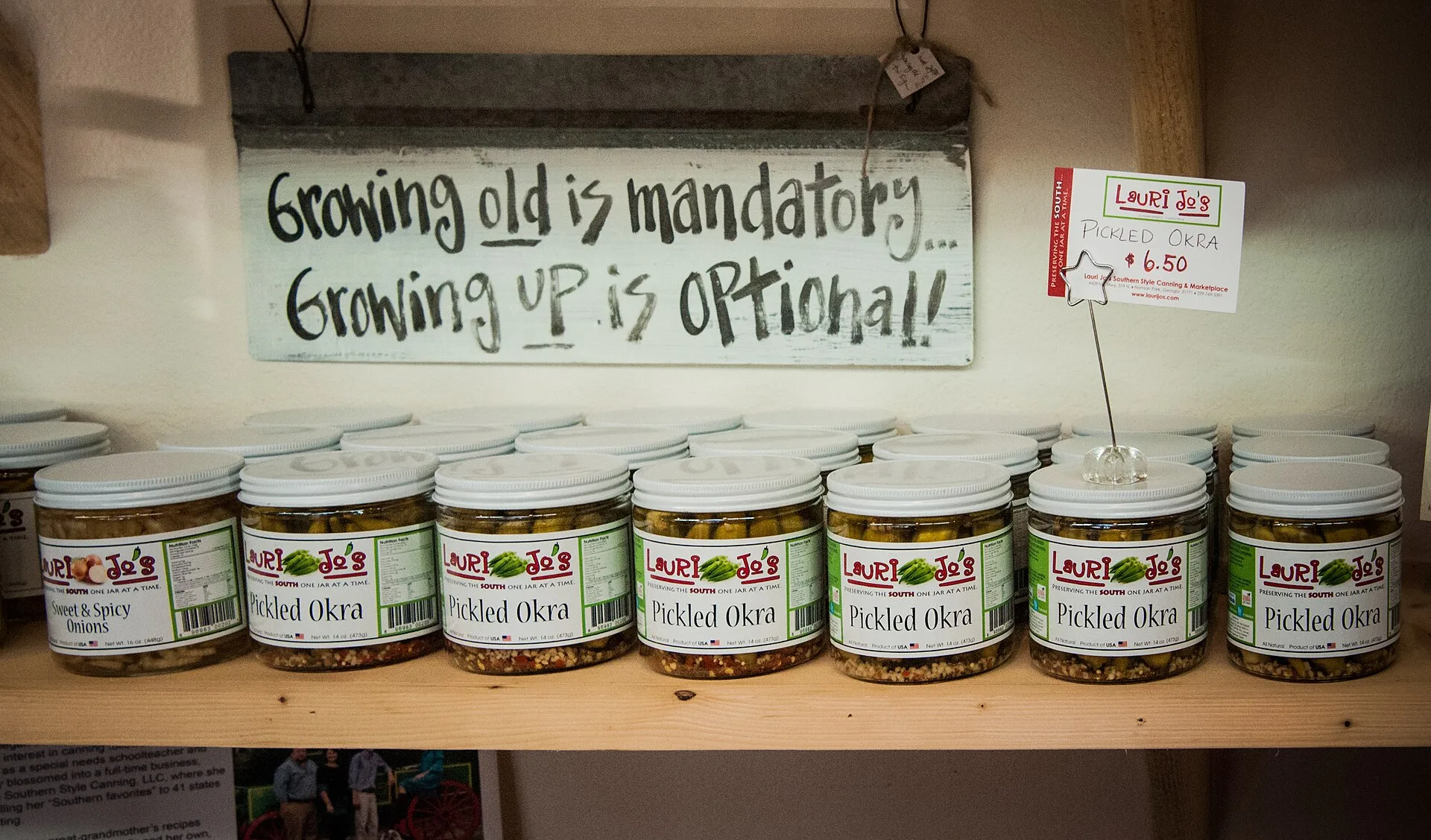
An independent maker's Southern pickled okra can reach shoppers through a market stall, a wholesale shop, a chain shelf, a shipped order or farm pickup, and a food hub can help producers reach wholesale buyers. These are selling routes, not evidence of ingredient origin: a local point of sale does not establish that the okra or other ingredients were grown nearby. Nor does a label that says local, state-grown or a state name settle the question. That claim is the seller's, and the route that carried the jar does not check it.
What to take away
- Sales channels describe selling and distribution work, not the origin of a jar's ingredients.
- A claim such as local, state-grown or the name of a state is the seller's word, and the channel that carried the jar does not verify it.
- Value-added processing adds margin and adds risk, and both show up in the price.
- Aggregation through a hub can cut an independent producer's transport and marketing cost.
- Buying direct puts the sale with the maker; it is not proof that the ingredients are local.
What a sales route can tell you
A producer selling at a market keeps the retail price and pays with their Saturday. Wholesale brings another business into the sale, while a brand in a chain reaches shoppers through the retailer. These arrangements describe who sells the jar, but none establishes where its ingredients were grown.
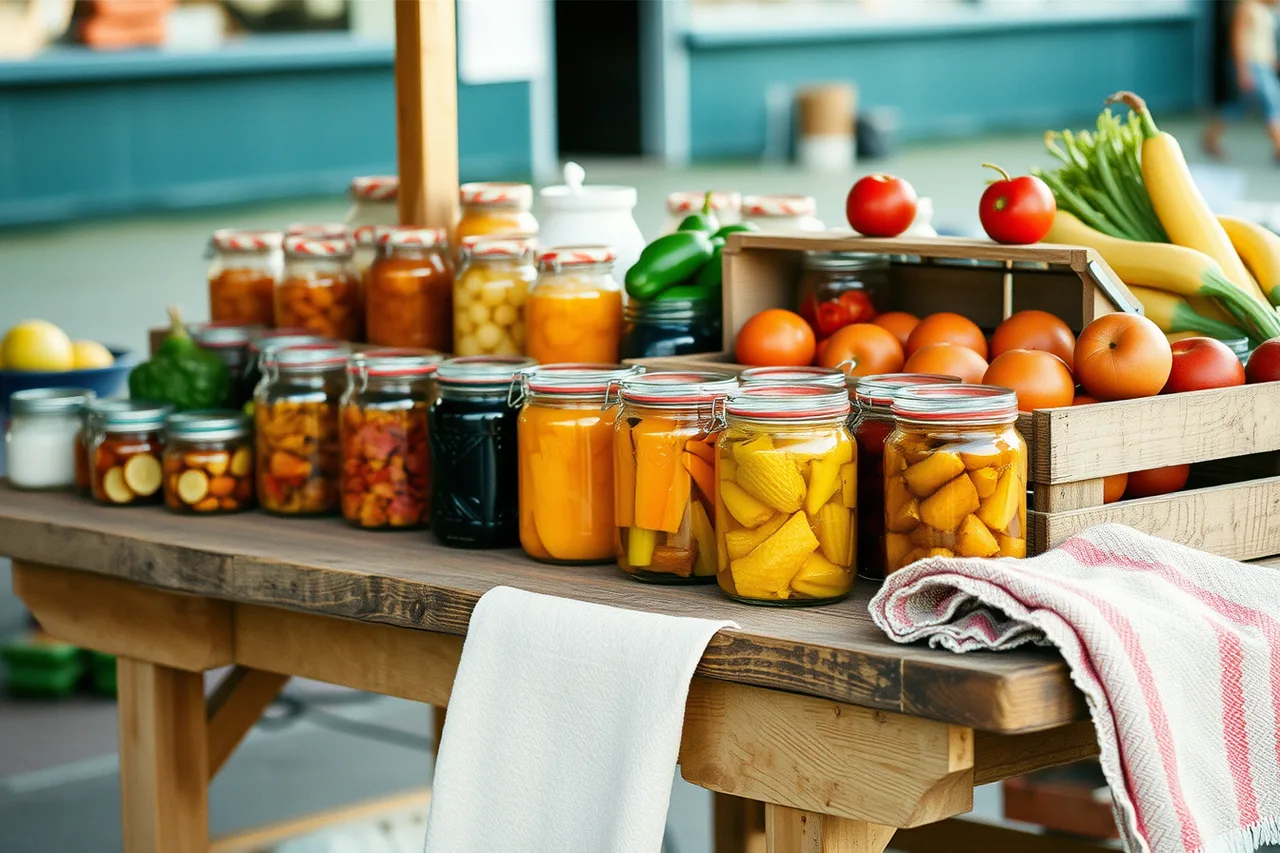
That is why comparing two brands' prices without knowing their channels tells you very little. The cheaper jar may be the one with a distributor absorbing freight, and the dearer one may be a producer shipping a single box from a farm, keeping more of the money and charging you for the postage. Those arrangements tell you about distribution, not whether either maker used ingredients grown in the region named on the label.
What value-added actually means
The University of Maryland Extension resource Direct Marketing and Value-Added Products describes direct marketing and value-added processing as two of the strongest strategies a farm can use to improve net profitability, noting that value-added products may open new markets, improve farm viability, raise visibility and extend the marketing season.
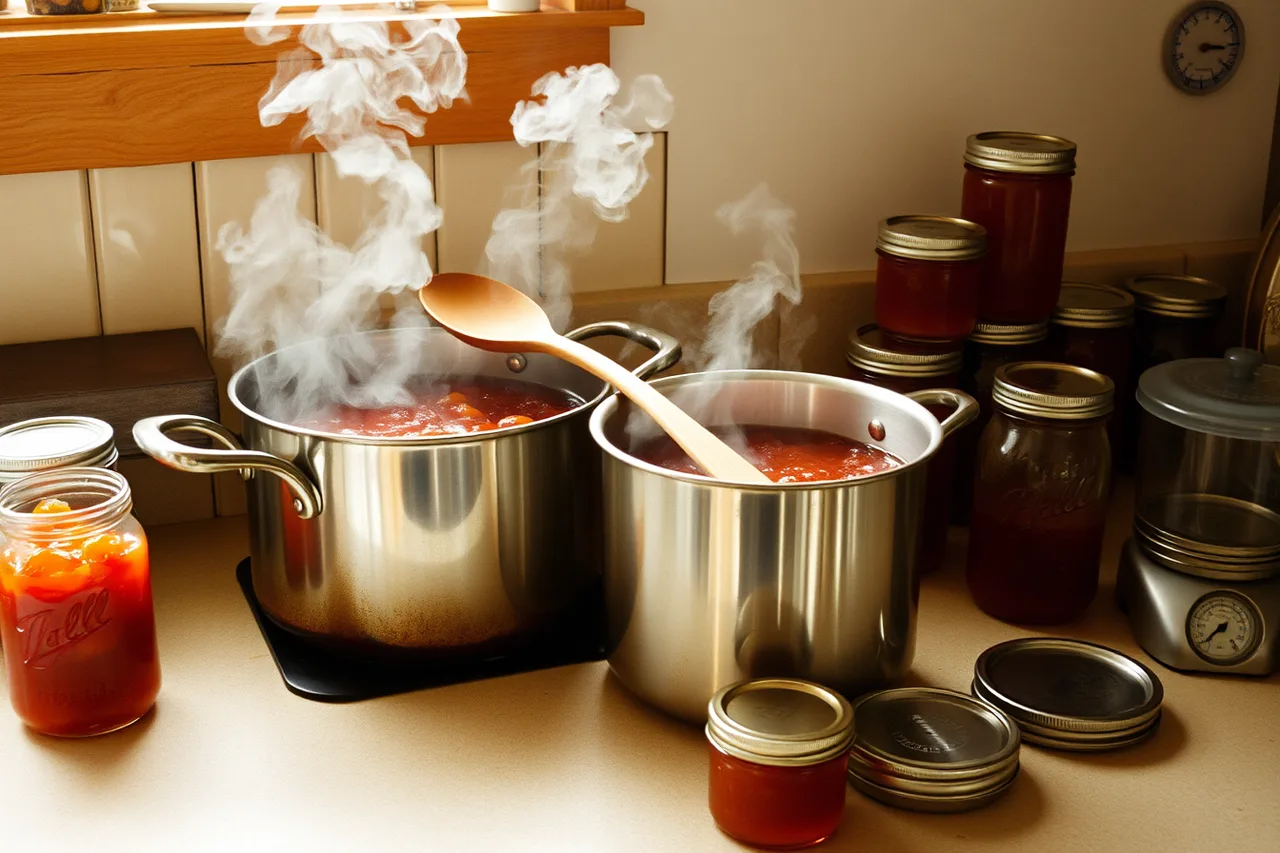
The same resource is equally direct about the other side. Value-added agriculture carries its own risks, including the entrepreneur's level of business expertise, processing skill, regulatory requirements, available resources and understanding of direct marketing outlets. Any product originally grown by the farmer and increased in value by labor and creativity counts.
Read that as manufacturing work behind the jar. A jar of preserve is a farm taking on a manufacturing business, and the price carries the cost of learning it. Part of that learning is not optional and cannot be trimmed away: under 21 CFR Part 114, acidified foods, meaning low-acid foods with acid added, such as cucumbers, cabbage, peppers or beans, must be made so a finished equilibrium pH of 4.6 or lower is achieved and maintained in every jar. A producer who skips that step has a costly specialty food mistake on hand, not a cheaper preserve.
Under FDA rules, the paperwork is not optional either. Commercial processors of shelf-stable acidified foods in hermetically sealed containers sold in the United States must register each establishment and file scheduled processes with the FDA for each product, container size and processing method under 21 CFR 108, and their operators must work under someone who has attended an approved school, in practice the Better Process Control School. For a Southern pickled okra or a jar of bread-and-butter pickles, that is overhead a market stall never used to carry, and it lands on every jar whichever channel sells it.
What a food hub handles
Some producers cut costs by skipping distribution themselves. The University of Georgia extension bulletin Food Hubs in Georgia: A Potential Market for Small-Scale and Midscale Farms examines food hubs as a market for small-scale and midscale farms.
The model is straightforward: a hub buys from many producers, consolidates, and sells to wholesale buyers. That can lower individual producers' transportation and marketing costs while reaching buyers they could not reach alone.
A hub's role is logistics: it does distribution work a producer might otherwise fit around a growing season. That season is not a figure of speech, since a short harvest window sets the entire calendar for a small producer.
The work behind each sales route
| Step | Usually reflects |
|---|---|
| Market stall price | Producer keeps the margin, you pay retail |
| Wholesale-fed shop price | A distributor and a retailer in the chain |
| Chain price | Volume, and often a fee paid for the shelf |
| Direct-shipped price | Retail plus freight, better for the producer |
| Farm gate or pickup price | The lowest total cost, if you are nearby |
What to ask about the jar and the label
Buying direct in a single larger order does more for a small producer's margin than repeated small orders, and it costs you less in freight per item. It rarely saves money outright. The wider cost structure is in where the money goes, and the independent food brands to know name makers rather than channels.
For the jar in front of you, ask who made it, where its main ingredients were grown and who handled distribution. Words such as local or state-grown, or the name of a state, are written by the seller: a nearby pickup point tells you where you collect the jar, not where every ingredient originated, and only the maker can say which farm grew the main ingredient in a given batch.