Reviews
Part of Which distribution choices actually reveal an independent food brand's future
Independent food brands deserve a barcode and processing review before the first order
Retailer checklist for stocking independent food brands: before a first order, confirm the barcode, the processing rules that apply to that specific food.
What to take away
- No barcode, no shelf. A retail-ready product needs a UPC and the producer has to obtain it.
- Processing rules differ by food type, so a producer licensed for one product may not be licensed for another.
- Delivery method decides most of the operational friction, not the product.
- Get the answers in writing before the first case, not after the first problem.
The barcode question comes first
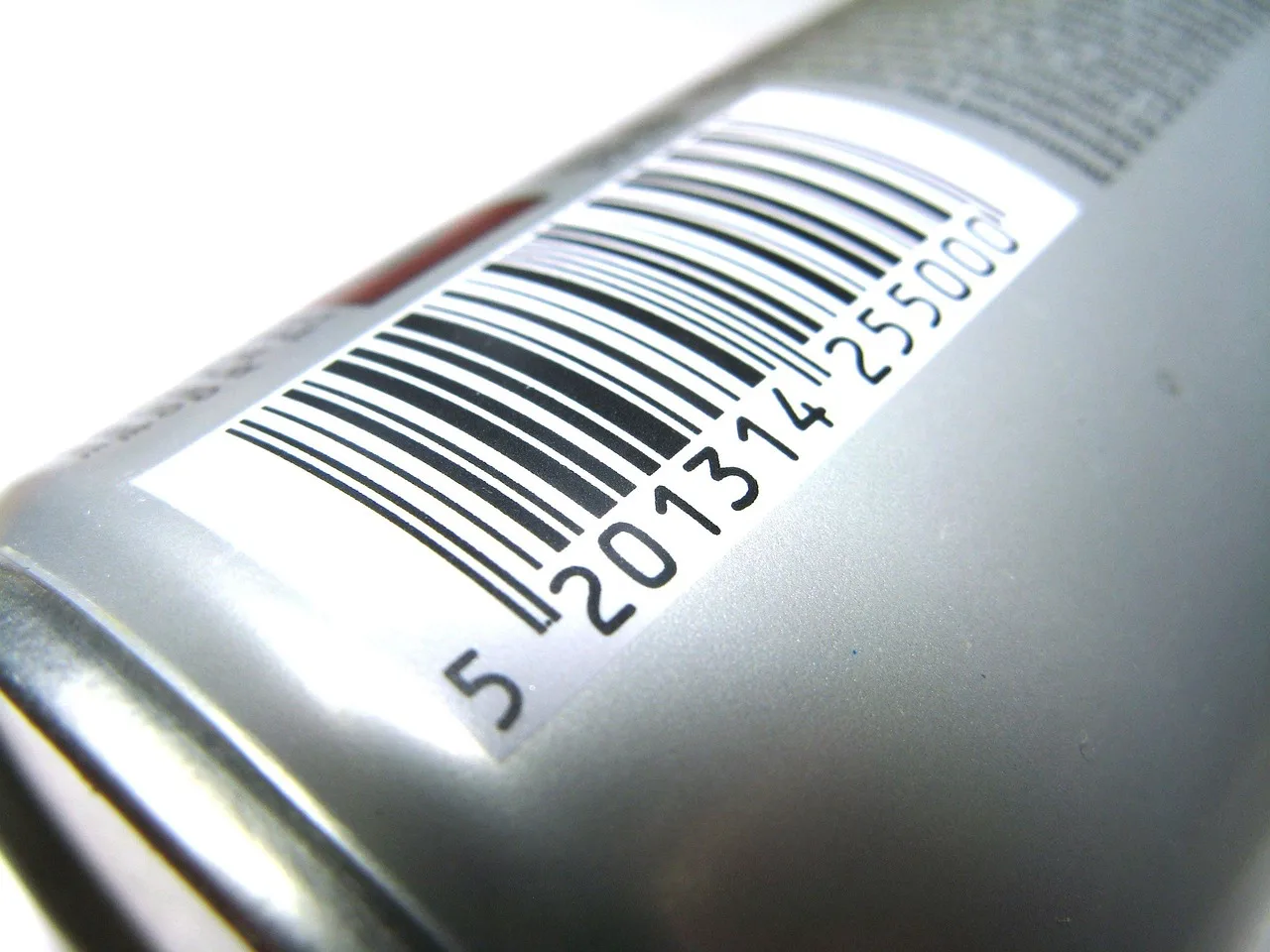
A product that cannot be scanned cannot be stocked in most shops. North Carolina State's guide to direct store delivery explains what that means in practice. A Universal Product Code is a 12-digit international standard bar code that retailers use to scan items at the register, identify products, track sales and manage inventory.
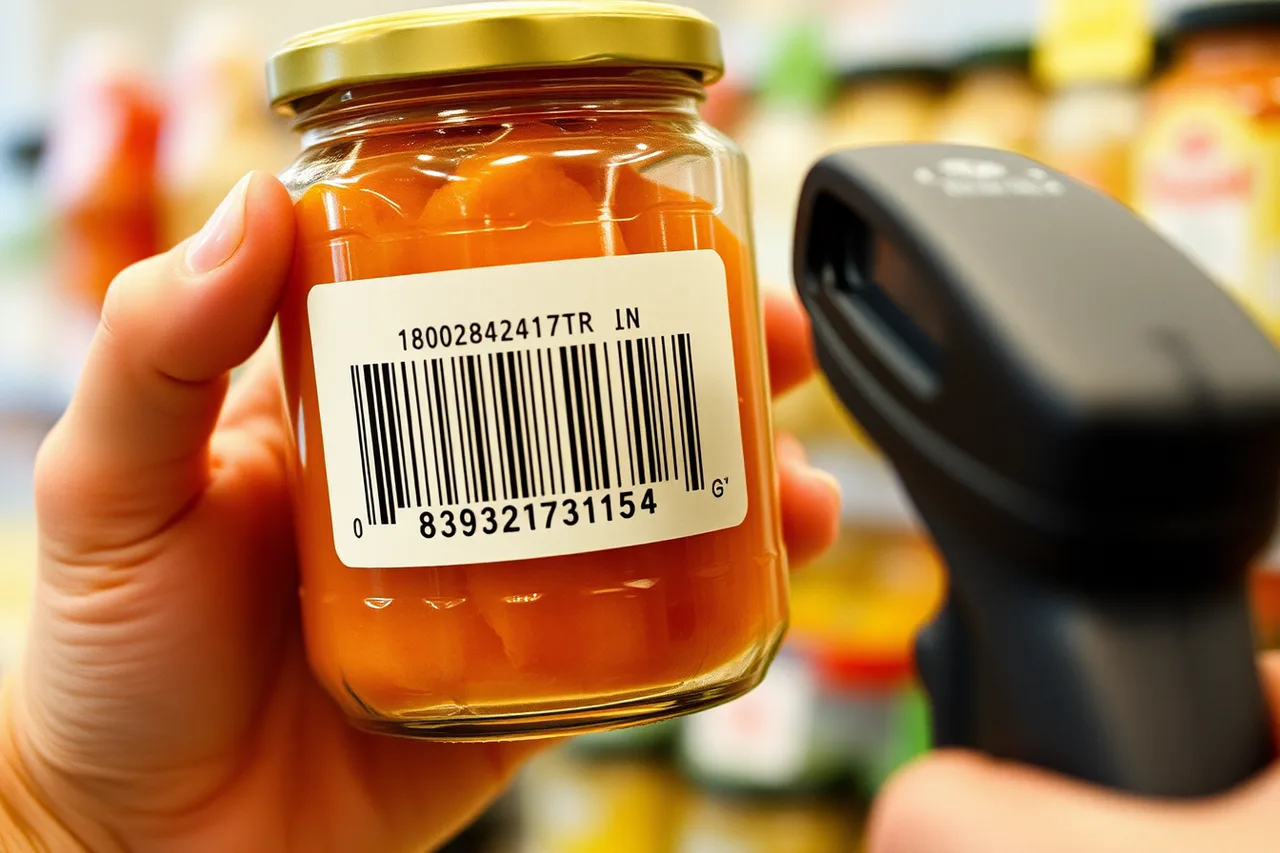
The guide also explains how a producer gets one. Codes can be obtained by joining GS1, the international not-for-profit that issues company prefixes, or through a reseller that sells individual UPCs. GS1 US charges a membership fee based on the number of product items to be coded and requires annual renewal. Resellers are cheaper, but the code sits under the reseller's prefix rather than the brand's, which is why some chains ask for proof of GS1 membership before they list an item.
Ask which route the producer used. It is a small question that reveals how far along they are. It occasionally surfaces the fact that they have no codes yet, which is a two-week delay rather than a refusal.
Regional American pantry products make the stakes concrete. Pepper jelly, sorghum syrup from a single county, pimento cheese, country ham and small-batch hot sauce are usually made by one or two people, and the rules that govern a jar of preserves are not the rules that govern a cured ham. That is the gap this review closes before the first order.
Rules follow the food, not the producer
A license for one product does not carry over to another, and University of Maryland Extension's summary of rules for specific foods makes the structure explicit.
Regulations vary by food type, and different agencies regulate different types, while some facilities may be limited to certain types. They also differ for perishable and non-perishable foods, and for hazardous and non-hazardous ones. Produce is the sharpest example: fresh and frozen fruit and vegetables sit under a separate federal licensing regime with published thresholds.
So the useful question is not whether they are licensed but what the license covers, and whether it covers this item. A producer moving from pepper jelly into refrigerated pimento cheese, or from shelf-stable preserves into country ham or smoked sausage, is usually stepping into a different agency's rules, often FSIS rather than the FDA or a state agriculture department. A shop is the party that finds out if they did not.
The paperwork to ask for by name: FDA food facility registration, required of facilities that manufacture, process, pack or hold food for sale in the United States; a state food processing license, or the state's cottage food exemption if the producer sells only within the state; a USDA FSIS grant of inspection for meat and poultry items; and, for low-acid or acidified canned goods such as jarred vegetables and sauces, an FDA process filing for the scheduled process together with a supervisor trained under Better Process Control School.
The first-order checklist
- UPC on every retail unit, and a case code if you scan cases.
- The license itself, and what it permitsFDA food facility registration, a state food processing license, a USDA FSIS grant of inspection, or the state cottage food exemption.
- Case pack, minimum order, lead time in their slowest month.
- Delivery methoddirect store delivery, distributor, or freight.
- Who pays for a short-dated or damaged delivery.
- A current label, physically, not a design file.
Read that label before the case arrives, because a partial Contains line is the error small producers make most.
Delivery method sets the workload
| Method | What the shop takes on |
|---|---|
| Direct store delivery | Receiving on the producer's schedule, more admin |
| Through a distributor | One invoice, less choice, lower margin |
| Freight to the shop | Storage on arrival, and you unload it |
| Pickup by the shop | Cheapest, and it costs you a morning |
| Third-party courier | Predictable cost, least control over handling |
After the first order
Judge on sell-through and on how the producer handled the first problem, because there will be one: a short delivery, a late case, or a label error in month one is normal at this scale. How quickly it was acknowledged is the part that predicts the next year.
The supplier questions that follow a listing, from pricing to territory, are a separate conversation. The label errors shops catch most often are collected in the mistakes shops make on specialty food labels.