Reviews
Part of Build, share or co-pack: how small specialty foods brands get made
Specialty foods labels: why a missing Contains line matters
Specialty foods labels: learn why a Contains line is optional, what FDA law requires, and how to check a regional product's ingredient list.
What to take away
- Nine foods are defined as major food allergens, and their sources must be declared on the label.
- A Contains statement is one of two permitted ways to do it, and it is not required.
- When reading specialty foods labels, read the full ingredient list whenever a separate Contains line is absent.
- A recipe, supplier, or co-packer change can affect what a label needs to disclose, so check the package in hand.
Two lawful ways to declare
The Food Allergen Labeling and Consumer Protection Act of 2004 (FALCPA) requires covered packaged foods to identify major food allergen sources. The FASTER Act of 2021 added sesame as the ninth major allergen. For ingredient-list declarations, see 21 CFR 101.4(b)(2). The FDA's consumer guidance shows how that declaration appears.
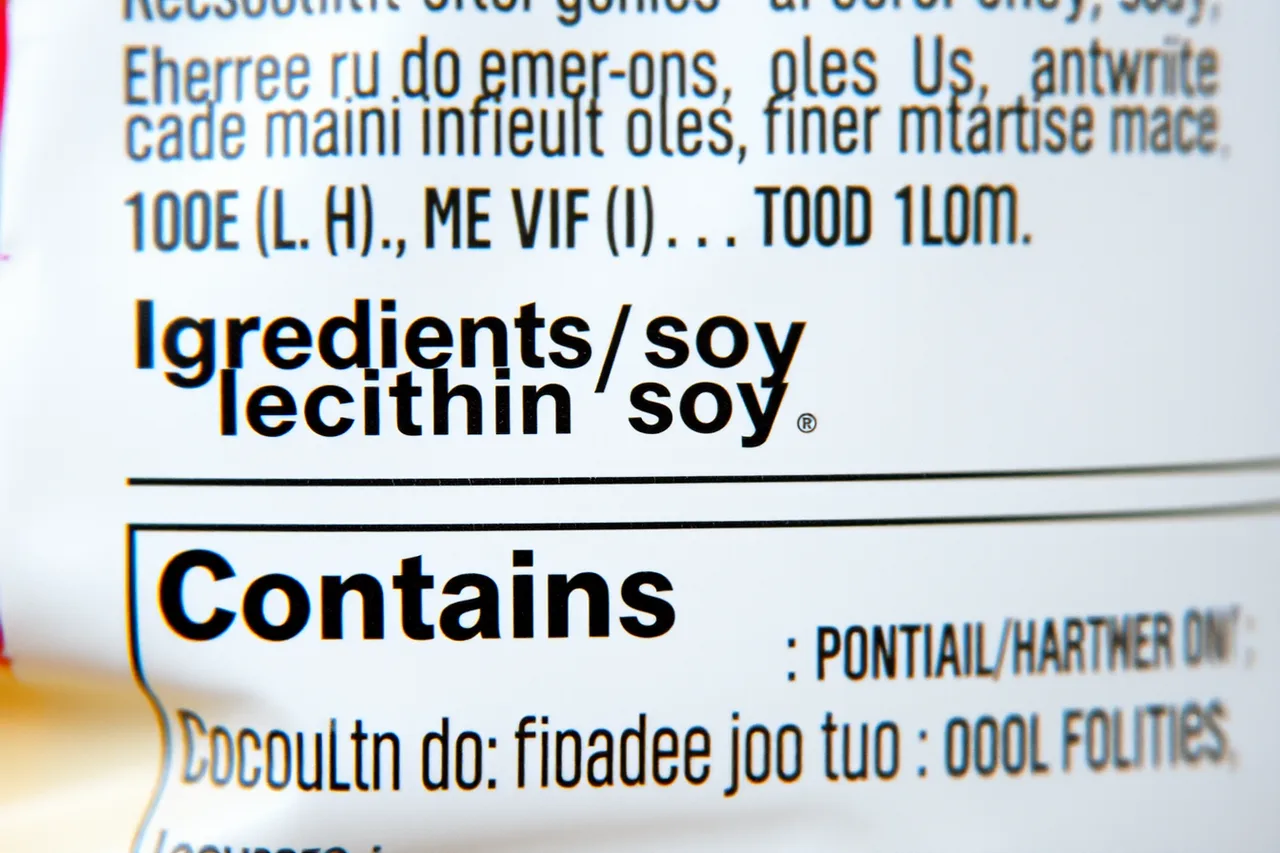
The allergen's food source must be named at least once. It can sit in parentheses after the ingredient, as in lecithin (soy), flour (wheat) or whey (milk), or in a Contains statement immediately after or next to the ingredient list.
The requirement is met without a Contains line if the ingredient's common name already identifies the source, such as buttermilk.
Why the missing Contains line matters most
The FDA guidance is direct about the consequence. If a Contains statement is present, it must list every major allergen in the product. If your allergen appears there, that settles it.
But not all products carrying an allergen have a Contains statement. Read the whole ingredient list and stop at the first appearance of the allergen's name.
Small specialty producers are part of this site's beat. For a regional example, consider pralines from Savannah's Candy Kitchen in Savannah, Georgia; check the actual package rather than assume all products from one producer share a label.
There is nothing improper about omitting a separate Contains line when allergen sources are properly disclosed in the ingredient list. As an illustration—not a claim about Savannah's Candy Kitchen's actual recipe or package—a hypothetical praline label might say Ingredients: pecans, sugar, milk. Those ingredient names flag tree nuts and milk even without a separate Contains line; read the package in hand rather than assume its label matches the example.
The industry side of the same rules
For producers, the FDA maintains a questions and answers guidance on allergen labeling, and the agency published a revised fifth edition on January 6, 2025.
A producer can use that guidance to check a label. If you need clarification, ask about a specific ingredient, the facility, or shared equipment, rather than relying on a general assurance.
Reading a small-producer label
| What you see | What to do |
|---|---|
| Contains statement present | Trust it as complete for major allergens |
| No Contains statement | Read every ingredient, not the first three |
| May contain or made in a facility with | Voluntary wording, not a required declaration |
| A recipe change note or new label design | Reread from the beginning |
A redesign alone does not show that a recipe changed. Check the ingredient list and any Contains statement on the current package rather than inferring a change from new packaging.
The one line producers most often get wrong
A useful check is to compare the allergen sources named in the ingredients with any present Contains statement. For example, if the ingredient list identifies wheat but a present Contains line omits it, the two do not match.
A Contains line, once present, must be complete. If you spot a mismatch between the ingredient list and the Contains line, contact the producer for clarification before relying on the label.
Why last year's label proves nothing
A producer can reformulate between batches, change a supplier, or move to a co-packer with different equipment. Because those changes may affect allergen information, the label on the package in your hand is the one to check. If you are uncertain, call the producer and ask about the facility and shared equipment as well as the recipe.
Reading a label as evidence rather than decoration is covered in what labels can tell you, and the production reasons behind those changes are in where the money goes.