Reviews
Part of Specialty food mistakes that cost the most: overbuying and bad preserving
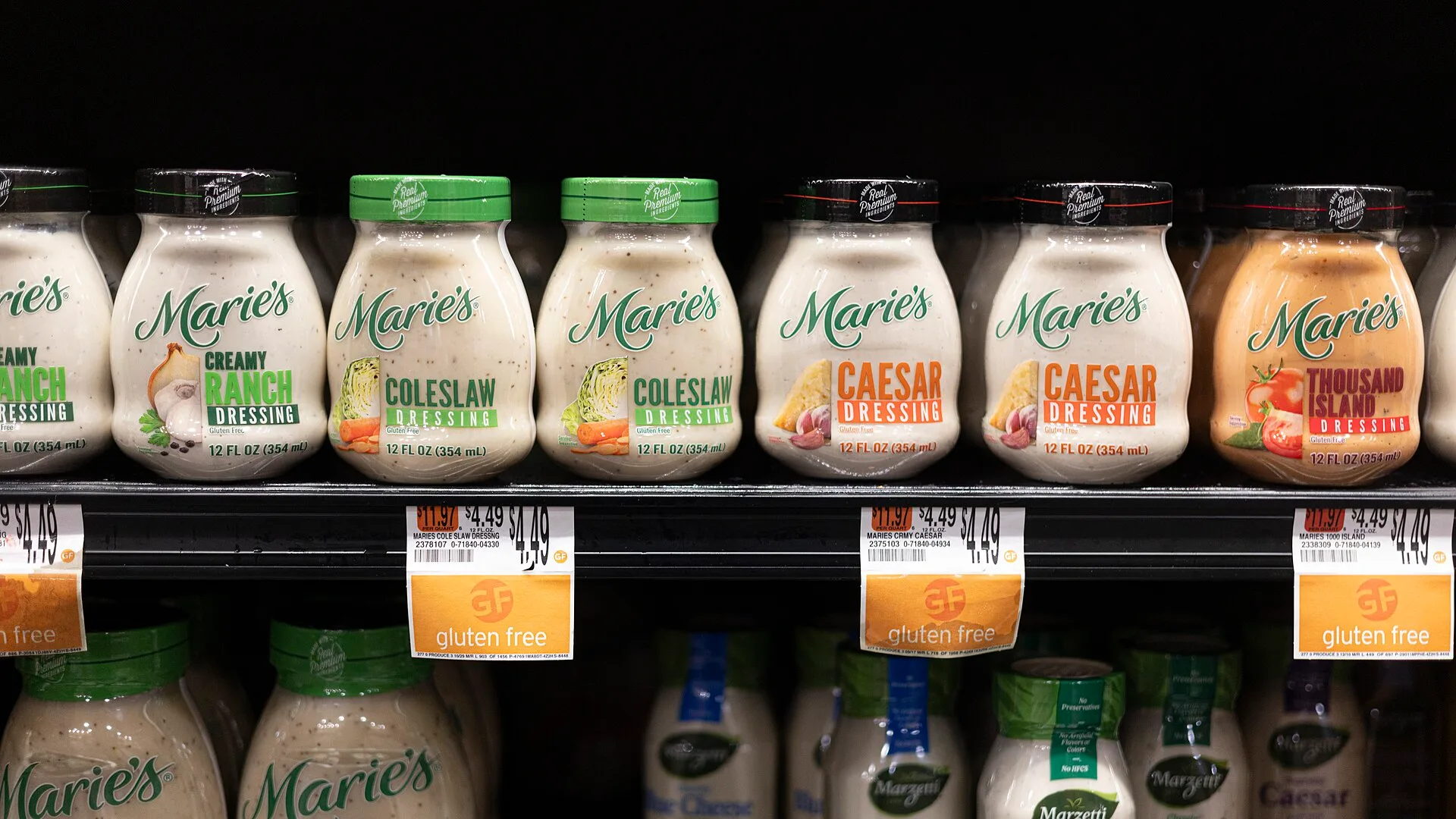
Why gluten-free claims on a specialty food label carry a real number
Gluten-free is one of the few marketing words on a package with a number behind it, and knowing that number changes how you read every claim next to it.
What to take away
- Gluten-free is a defined claim with a numeric limit, unlike most words on a specialty label.
- The limit is a concentration, not a promise of zero, and the reason for that is analytical.
- Similar phrases such as no gluten and without gluten fall under the same rule.
- Regional marks such as Georgia Grown or the Vermont Seal of Quality say where a product came from, not what is in it.
- The common reader mistake is assuming that other claims on the same label work the same way.
A claim with a number behind it
Foods labeled gluten-free, and foods using similar terms such as without gluten, free of gluten and no gluten, must meet criteria the FDA set in August 2013 and August 2020. The rule is codified at 21 CFR 101.91, and one of its criteria is a limit of less than 20 parts per million for the unavoidable presence of gluten in a food carrying the claim.
The 2013 rule set the limit. The 2020 rule covered fermented and hydrolyzed foods, such as soy sauce, vinegar and sauerkraut, where testing the finished product is not by itself enough to show the limit was met.
The gluten-free threshold
- 20 ppmFDA limit for gluten-free claims
- 2013FDA set the gluten-free criteria
- 2020FDA updated the criteria
The agency explains why 20 parts per million, not zero, matters: 20 ppm is the lowest level valid scientific analytical tools can consistently detect in foods.
Most people with celiac disease can tolerate that level.
Why the number matters more than the phrase
The FDA's questions and answers on the rule covers the mechanics for manufacturers, and the important point for a shopper is what the claim is not. It is not a certification by an outside body, it is not a statement that the facility handles no wheat, and it is not a guarantee of zero.
A manufacturer must support the claim with a defined threshold and a defined test. Sensory claims work the same way, and smoother or less bitter is meant to be backed by a test too, even if the package says nothing.
For anyone with celiac disease, that distinction matters. The claim is reliable within its own terms. Shared equipment or a separate advisory statement is a different question the claim does not address.
The mistake this creates
Having read one claim with a number behind it, people extend the same trust to the words next to it. That is the error. Five phrases sit side by side on a specialty label, and the backing behind them is not the same.
What is behind each phrase
Phrase
- Gluten-free
- Defined limit and test
- All natural
- No FDA definition
- No preservatives
- Depends on definition
- Small batch
- Nothing at all
- Made with real fruit
- Nothing about amount
Behind it
- Gluten-free
- All natural
- No preservatives
- Small batch
- Made with real fruit
- Gluten-freea federal rule from the FDA, with a limit of less than 20 ppm.
- Organica federal certification program run by the USDA, with inspections and a seal.
- Healthya federal definition, with a compliance date running to 2028.
- Naturalno definition you can test a product against.
- Small-batch, artisan, heirloom, localno federal definition at all; these describe the producer's own practice.
Only the gluten-free line is backed by a measurement. The rest are writing, and the line does move occasionally: healthy has been given a federal definition by the FDA, with a compliance date running to 2028.
That is not an argument for cynicism about the other terms. Some of them describe something real that simply has no legal definition, and a producer using them may be describing their practice accurately. The point is only that you cannot tell from the package, and the gluten-free claim lets you.
Where the claim meets the pantry shelf
Much of what regional American producers put in a jar is naturally gluten-free already. Stone-ground grits and cornmeal from a Southern mill, maple syrup from Vermont or Maine, sorghum syrup from Kentucky, wild rice from Minnesota, dried beans, rice and apple butter have no gluten to limit. When a jar of sorghum syrup carries a gluten-free claim, the producer is confirming something the food never had.
The claim does real work when a small brand blends. A spice rub, a cornbread mix, a sauce or a soup base can pick up gluten from wheat flour, from barley malt, or from soy sauce, which is traditionally brewed with wheat. That is where the 20 ppm limit becomes a sourcing and testing question instead of a formality.
Regional marks are a different thing, and readers mix them up with legal claims. A state agriculture department mark such as Georgia Grown, Jersey Fresh or the Vermont Seal of Quality says something about where a product came from and who made it. It is not a nutrient claim, and no federal rule stands behind it.
How to read a specialty label in order
- Find the statement of identitygrits, syrup, rub, jam. What is this, in plain terms?
- Read the ingredient list end to end, not the first three lines.
- Note any defined claimgluten-free, organic — and treat it as defined and testable.
- Look at the origin and producer marksMade in Vermont, Georgia Grown, Jersey Fresh, est. 1932. They speak to where and who, not to what is inside.
- Treat everything elseartisan, small-batch, natural, heirloom — as the producer's argument, not evidence.
- Check the name and address of the responsible business.
That order is deliberately unglamorous, and it is the same order used in what labels can tell you. Reading for allergens follows it too: find the statement, read the whole list, and treat everything else as an argument.