Reviews
Part of Specialty food mistakes that cost the most: overbuying and bad preserving
Why opened specialty food jars get wasted, and how to stop it
Most specialty food is wasted after it is opened, through jar size, serving habits, time out of the refrigerator and the habit of saving something good for an occasion that never comes.
What to take away
- Opened jars are wasted by four habitsa jar too big to finish, a heaped first portion, a jar left out all evening, and the good jar saved for a dinner that never comes.
- Serve small and refill. A teaspoon that gets finished and repeated wastes far less than a heaped plate.
- Where the label says to refrigerate after opening, treat the jar as perishable and do not leave it out for more than two hours.
- Open the good jar. A regional preserve, chile sauce or relish was made to be eaten, not archived.
- Home preserving has its own waste modethe batch that has to be thrown away.
An opened jar starts with the size you bought
The FDA's Tips to Reduce Food Waste begin before the seal is broken. Plan what you will serve that week, check what is already open in the refrigerator, and buy for that week rather than for an occasion.
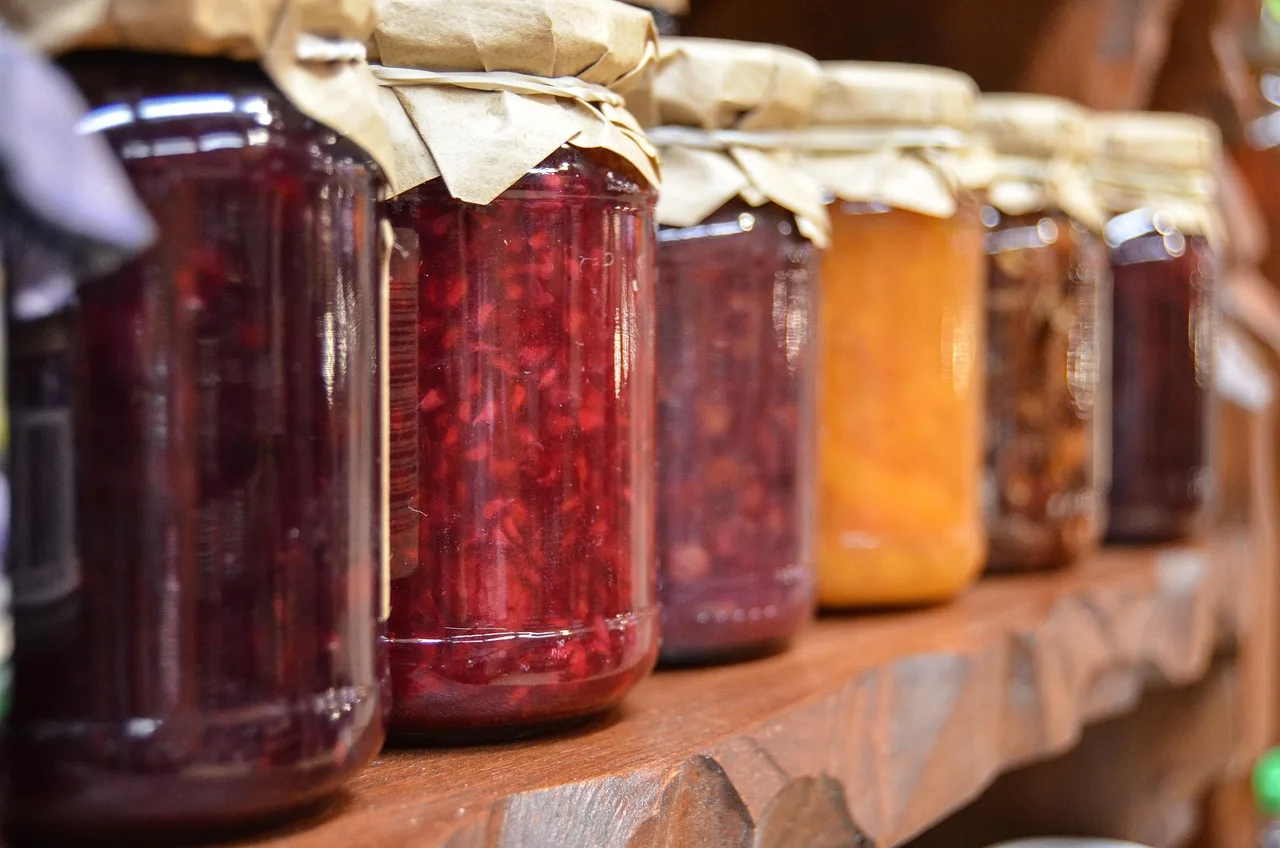
Regional pantry goods often arrive in gift sizes, such as a quart of Appalachian apple butter, a jar of New Mexico chile sauce or a box of Maine blueberry preserves. They assume a household larger than most, and the gift size is often the only size a small producer offers.
A jar too big to finish is the jar that ends up half-eaten at the back of the refrigerator, so the size you buy decides how the servings go. When the gift size is the only option, plan the week around it: a spoonful on biscuits, a dish that takes a cup at a time, a smaller jar to decant into.
Serve small, refill often
The single most wasteful move at a tasting is a generous first pour. People take what is put in front of them, taste two bites of a strong preserve or a hot chile sauce, and leave the rest. A teaspoon that gets finished and repeated tells you more and leaves far less on the plate.
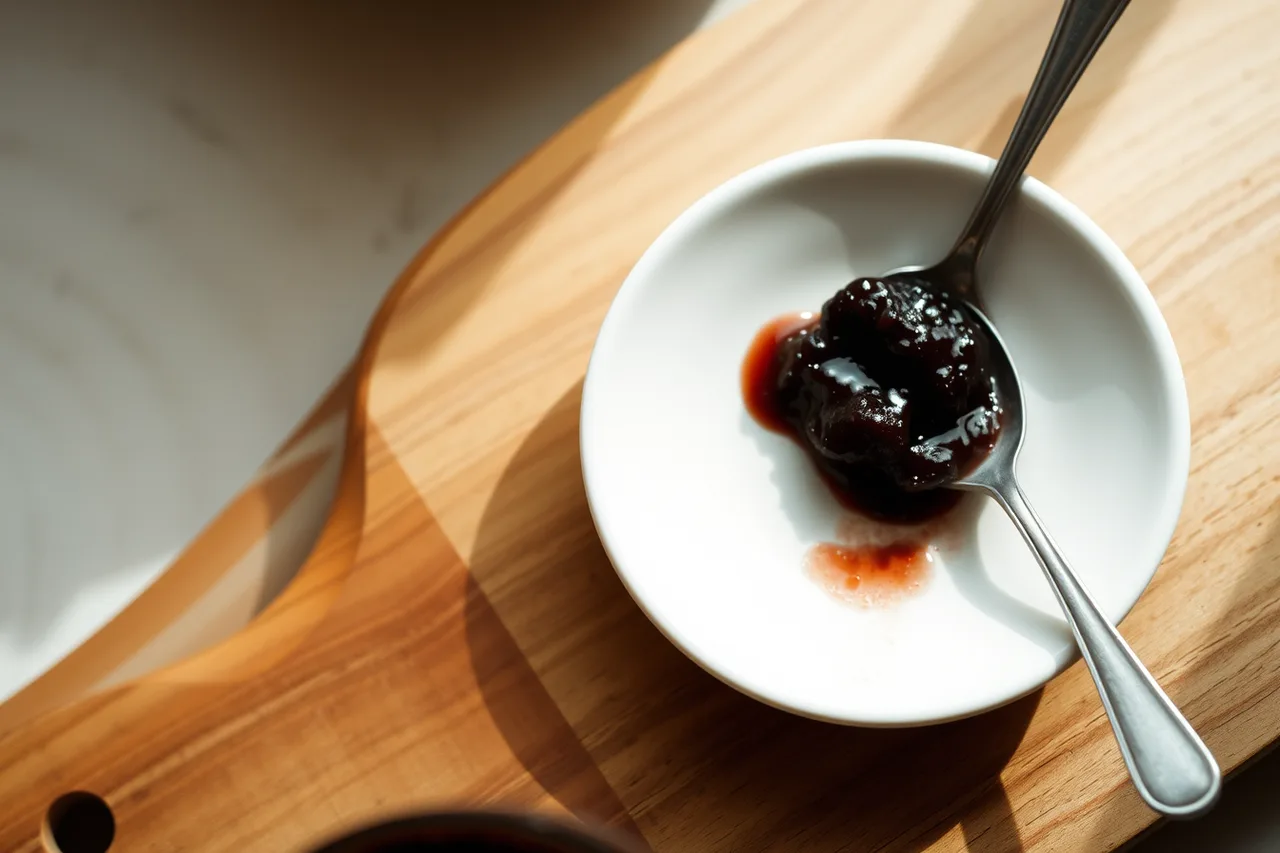
The same applies to a board laid out with regional pantry goods, such as Stonewall Kitchen preserves from Maine, a Southern relish or a jar of Duke's mayonnaise. Half the quantity, replenished, reads as more generous and survives the evening. Whatever is left has spent less time out of refrigeration.
For more serving ideas, see six ways to serve independent food brands without wasting a jar.
How long an opened jar can stay out
Read the label first. Most preserves, sauces and relishes carry a refrigerate-after-opening instruction, and that instruction applies once the seal is broken.
For a jar that needs the refrigerator, USDA food safety guidance for perishable food is simple: do not leave it out for more than two hours, or one hour when the room is above 90 degrees Fahrenheit. A jar on a summer picnic table is the usual offender.
The practical habit is to put a small amount on the table in a bowl and keep the jar itself in the refrigerator. The bowl can be thrown away or washed, and the jar spends its evening cold.
Do not rely on look or smell as a safety check. Some spoilage organisms and toxins give no warning, and a jar that looks fine can still be unsafe. Time out of the refrigerator and the label are the checks that count.
Storing what is left
Decanting is the one fix with a mechanism behind it, since most of the damage is oxidation driven by the air in the headspace. Moving the last third of a preserve, a chile sauce or a relish into a smaller jar shrinks that headspace and keeps the flavor truer for the days it has left.
Write the opening date on the lid. That one habit tells you which jar to finish first, and it replaces guessing.
Freezing works for some products and not others. Jams and many sauces can be frozen in small portions in containers that leave room for expansion, though texture may change. Mayonnaise-based products do not freeze well. If the producer gives freezing advice, follow it.
Habit / Effect
- Serve a teaspoon, offer a second
- Cuts plate waste
- Decant a half-empty jar
- Slows flavor loss
- Open the good jar this month
- Prevents the slow loss nobody counts
- Buy the small size of anything new
- Caps the loss if you dislike it
The home preserving version of the same mistake
If you preserve what you buy, the waste mode moves from one opened jar to a whole batch. Penn State's guidance on common canning challenges is blunt: improperly home-canned food can cause foodborne illness or death.
Many unsafe recipes and practices are passed down in families or found online. Use only recipes tested in a laboratory, from sources such as the USDA or the National Center for Home Food Preservation.
The concern is Clostridium botulinum, whose spores survive boiling water at 212 degrees Fahrenheit. Low-acid foods need a pressure canner, and an untested recipe cannot be trusted to do that job.
A batch made from an untested recipe is not a batch you can serve to guests and hope. It is a batch to discard, which is the most expensive waste in this whole article. A shop meets the same problem from the other side, where the list of methods that disqualify a supplier is short and published.
The jar saved for a dinner that never comes
An unopened shelf of regional preserves is the slowest kind of waste: nothing spills, nothing smells off, and nothing gets eaten. A jar held back for guests is a jar that reaches its date unopened, and that date was written for a sealed jar rather than an open one.
The fix is to choose one jar a month and open it for an ordinary meal. The buying mistakes that cost people time and money are covered in specialty food mistakes that cost the most.