Reviews
Pantry tasting methods storage for regional foods
Pantry tasting methods storage for regional foods: compare like products side by side, then protect oil-rich nuts, oils, and spices from air, light, and heat.
What to take away
- Pantry tasting methods storage choices matter for regional foods: oil-rich items lose flavor mainly through fat oxidation, driven by air, light, heat and time.
- Refrigeration slows spoilage but does not stop everything, including some pathogens.
- Nuts, unrefined oils, whole grain flour and ground spices are the shortest keepers, so buy them small.
- The cheapest interventions are a smaller container, a darker cupboard and a written date.
Fat oxidation: air, light and heat
Oil-rich pantry goods lose flavor because their fats oxidize. University of Florida's fact sheet on fats and oils sets out why they matter in the first place.
The practical consequence is that anything carrying meaningful oil, which includes nuts, seeds, whole grain meals, nut butters and cured products, is on a clock. Warmth, light and headspace all speed it up.
One regional pantry example is Atlanta-based Georgia Grinders, which makes nut butters. Because nut butter is oil-rich, the same advice applies: keep the lid tight and limit exposure to light, warmth and air.
Other regional pantry examples include Anson Mills heirloom grits from South Carolina, Georgia Olive Farms olive oil, Asheville-based Spicewalla spices, and Benton's Smoky Mountain Country Hams from Tennessee.
A maker's address alone does not establish where its ingredients were grown. Check whether the label identifies ingredient origin, milling, or production, and ask the maker when it does not.
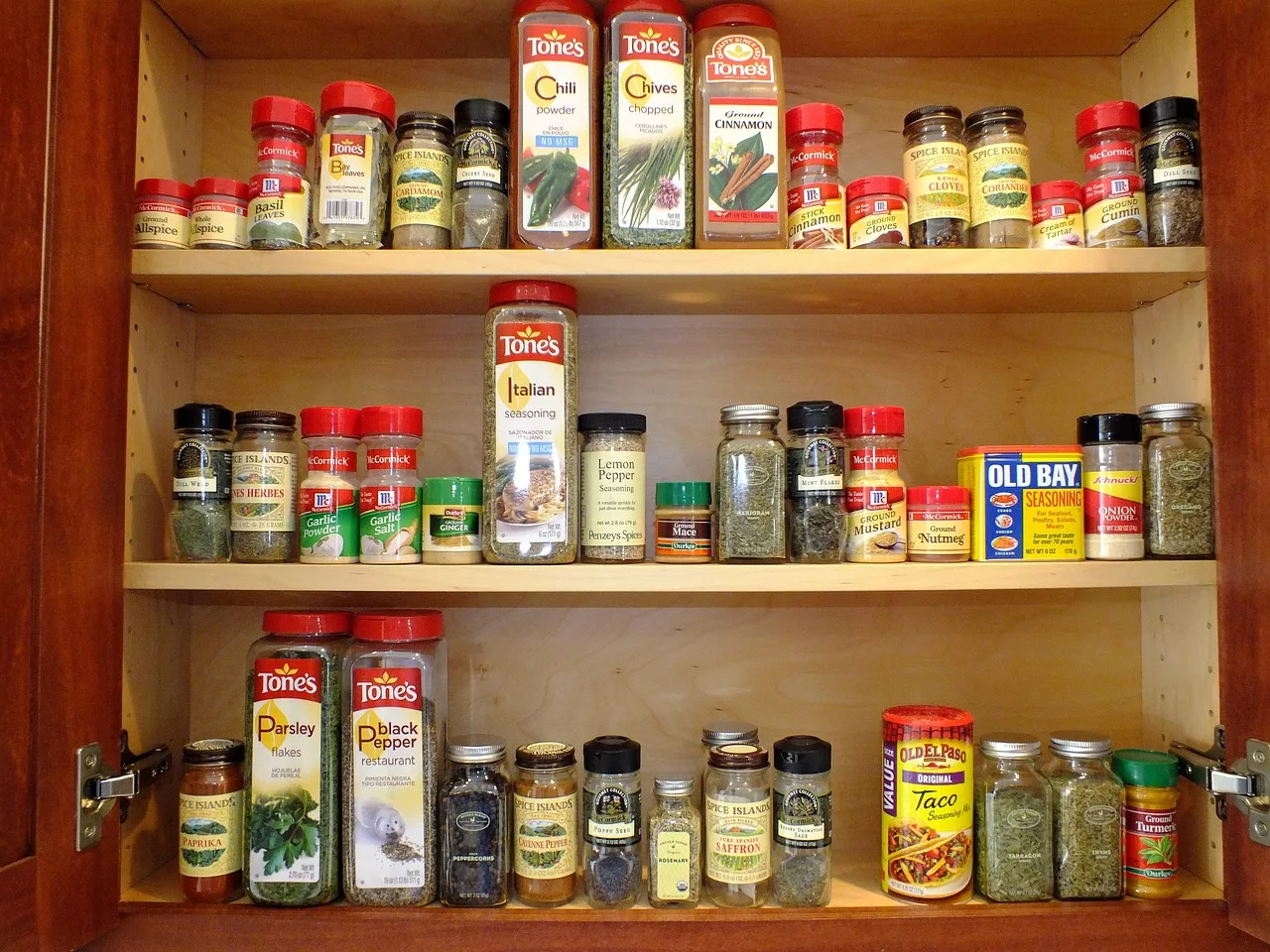
Match storage to the product, not its regional label: keep Georgia Grinders nut butter tightly closed and away from heat and light; keep Georgia Olive Farms oil capped in a dark, cool place; and seal Spicewalla spices away from heat and light. Follow package directions for Anson Mills grits, using the cold-storage guidance above for longer keeping of whole-grain products. Follow Benton's package directions for country ham, including after opening.
Storage numbers make this concrete. Hold the cupboard at 50 to 70 F with relative humidity under 60 percent. Typical pantry keep-times are about 4 months for shelled nuts, 1 to 3 months for whole grain flour and 6 to 12 months for ground spices.
Oils run shorter. A typical unrefined oil is best within 3 to 6 months of opening, while a refined oil holds about a year.
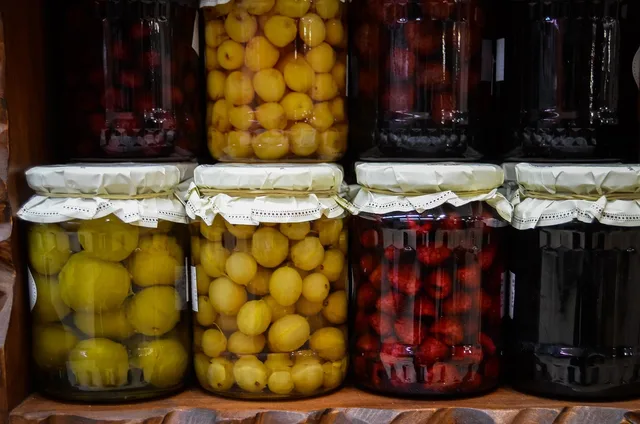
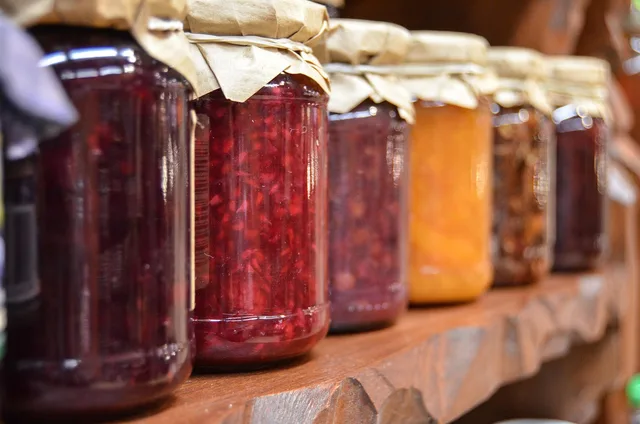
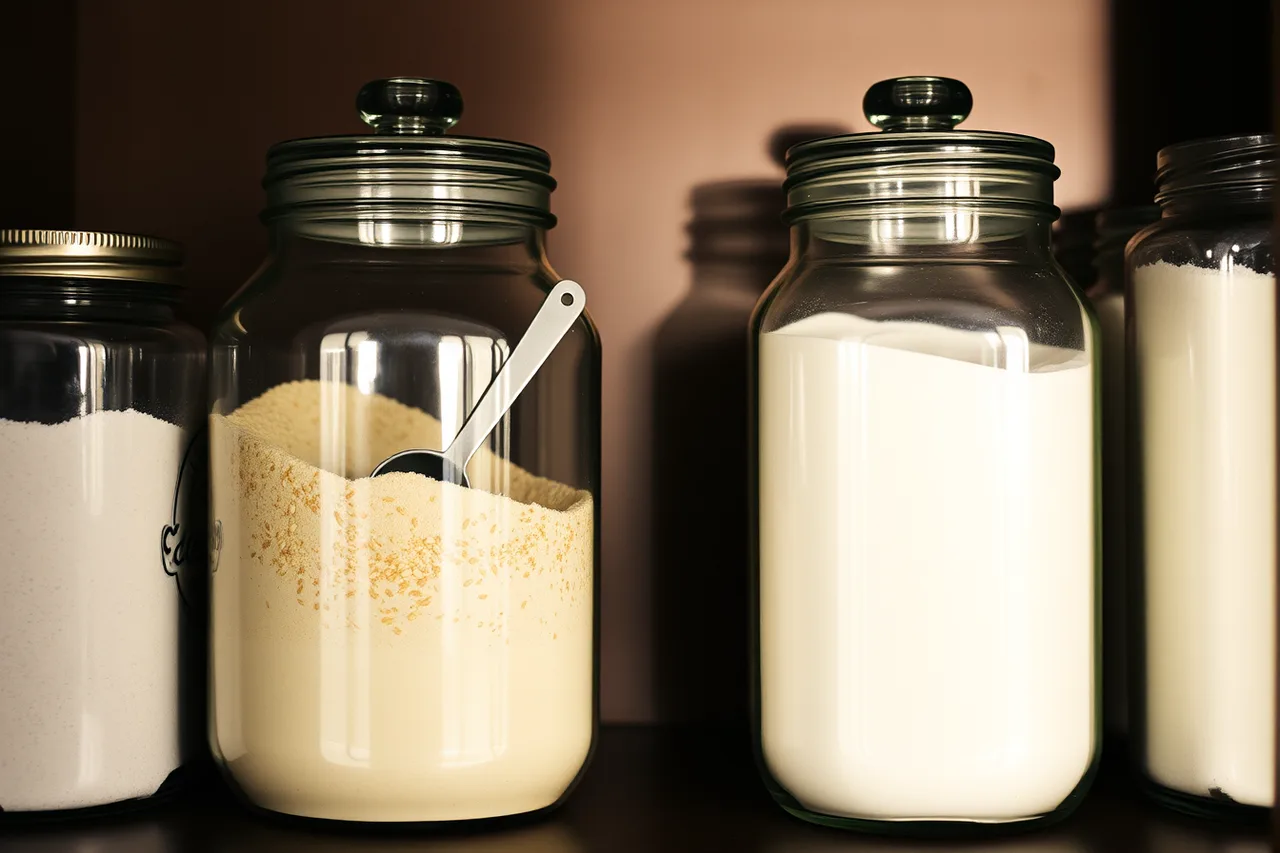
A dark glass jar with a tight lid is the usual pick over thin plastic. Fill it to within an inch of the rim, because headspace is oxygen the fat will spend.
Whole grain flour is the clearest case in a home pantry. The germ carries the oil, so the same wheat keeps for a year as white flour and a few months as whole grain, with no change in how it looks. People blame their baking long before they blame the bag.
Cold storage: preserving quality for longer
Refrigeration slows change without ending it. North Carolina State's publication on extended shelf-life refrigerated foods calls refrigeration a mainstay of food preservation.
It maintains freshness in raw and partially processed foods, and quality in processed foods after packages are opened. The same publication notes certain pathogens have raised concern in this category, among them Clostridium botulinum Type E, Yersinia enterocolitica and Listeria monocytogenes.
USDA's Food Safety and Inspection Service recommends a refrigerator at 40 F or below and a freezer at 0 F. Cold slows oxidation without stopping it. For nuts and whole grain flour you will keep beyond their pantry window, freeze airtight portions instead of leaving the whole supply in a container you open repeatedly. Listeria monocytogenes grows at refrigerator temperatures, which is why that pathogen matters here.
Frozen goods hold longest. Typical freezer times are about a year for nuts and whole grain flour, and 3 to 6 months for cooked oil-rich dishes. A jar you decant does not reset the clock, so carry the original date across.
Cold storage can preserve a product's flavor, but it cannot restore flavor already lost to oxidation. For a regional pantry maker, the storage conditions between purchase and tasting are part of whether an oil-rich food still tastes as intended.
An oil-rich nut butter and a refined oil do not share the same flavor profile, but both can lose quality when stored poorly. Taste the same product under consistent conditions before attributing a difference to its regional style or maker.
A repeatable pantry tasting method
Choose like-for-like samples: compare one nut butter with another, one olive oil with another, or one grits product with another. Georgia Grinders nut butter, Georgia Olive Farms oil, and Anson Mills grits can each serve as a regional example; do not compare unlike foods as if their flavor differences came from regional style.
- Note the product date, storage history, and label-origin claims, then have someone cover the identities and shuffle the tasting order for a blind comparison.
- Prepare samples the same way and serve them under consistent conditions. Cook grits according to their package directions.
- Smell and taste each sample, resetting your palate with water or an unsalted cracker. Record aroma, flavor, texture, and any stale or rancid notes.
- Reveal the labels and consider whether differences might reflect storage or ingredient origin as well as the maker's style. Do not taste food that appears spoiled or should be discarded under its package instructions.
Two practical changes for oxidation
These two listed changes reduce exposure to light and oxygen. For longer storage, use the freezer guidance above.
Change / Effect
- Move to the coolest, darkest cupboard
- Large, free, immediate
- Decant into a smaller jar when half empty
- Large, cheap
- Buy smaller quantities more often
- Large, costs a little more per unit
- Refrigerate or freeze oil-rich meals and flours
- Large for whole grain products
- Write the opening date on the lid
- Small, but it makes the rest visible
- Keep oil-rich goods away from the stove
- Large, and almost always ignored
Producers run a version of the same routine. A dated sample kept back from the previous batch is how they catch drift that memory would miss.
The trade you are actually making
Small producers' best buys are often less processed, and less processing means a shorter honest life. A filtered, refined product keeps longer and tastes of less. Which you want is a real choice, not a mistake, and it should drive how much you buy at once.
Make a heritage-products comparison like for like: set Anson Mills grits beside another grits product, or Georgia Olive Farms oil beside another olive oil, and compare aroma, flavor, texture, and keeping quality. The heritage products compared discussion frames that trade. A product-level check means comparing with a fresh example of the same food; a heritage label alone does not establish local ingredient origin or better taste.