Features
Part of Producer claims compared with what a heritage pantry category can actually support
5 points worth checking on heritage pantry products
Six low-cost ways to learn a heritage food category, from a side-by-side cook test to growing a single plant of the variety you have been buying for years.
What to take away
- Five points worth checking on heritage pantry productswhether the variety is open pollinated, who supplied the seed, the harvest year, the ingredient list, and a plain side-by-side taste.
- The cheapest check is buying the ordinary version alongside the heritage one.
- Growing one plant of a variety teaches more about it than any amount of reading.
- Historic gardens are a free, physical way to see what a heritage crop actually is.
- Every check here produces a note you can reread.
Point 1: cook it plainly beside the commodity version
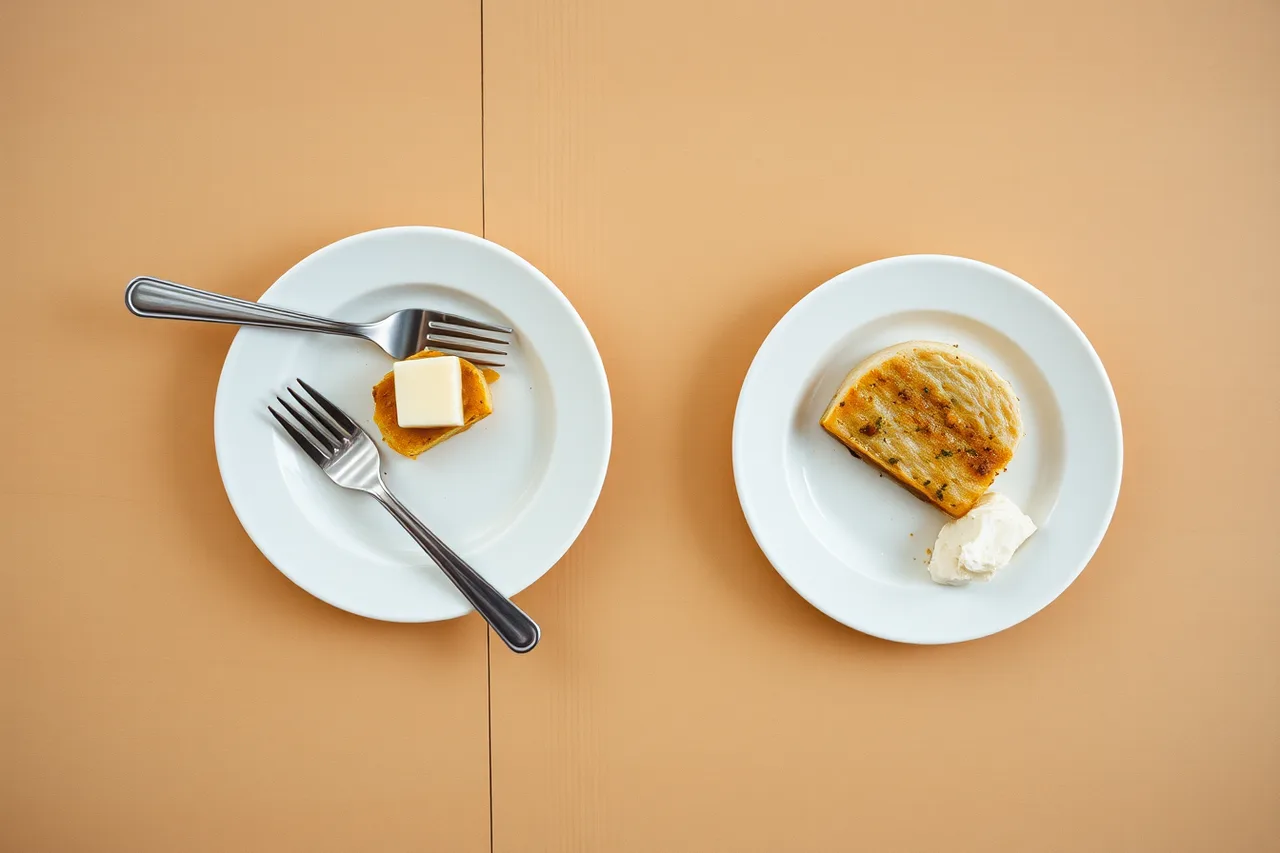
Buy the heritage version and the supermarket version of the same thing in the same week. Cook both the same way, plainly, on the same day. Eat them next to each other. Write two sentences.
Start with the price gap. Rancho Gordo heirloom beans from Napa typically run $7 to $9 a pound with shipping, as of 2026, against under $2 a pound for supermarket dried black beans.
Anson Mills in Columbia, South Carolina sells Carolina Gold rice at roughly $12 to $16 for a 2-pound bag. A supermarket bag of long-grain rice costs $2 to $4.
Most people have never done this, and it settles whether a category is worth the premium faster than any review. What it settles is whether the trade of consistency for difference is one you want.
Do it plainly: butter and salt, or nothing at all. A sauce hides the differences you paid for and turns the test into a comparison of your own cooking.
Point 2: is the variety open pollinated?
Growing a variety changes how you taste it. Penn State's seed saving basics explains why this works only with the right seed.
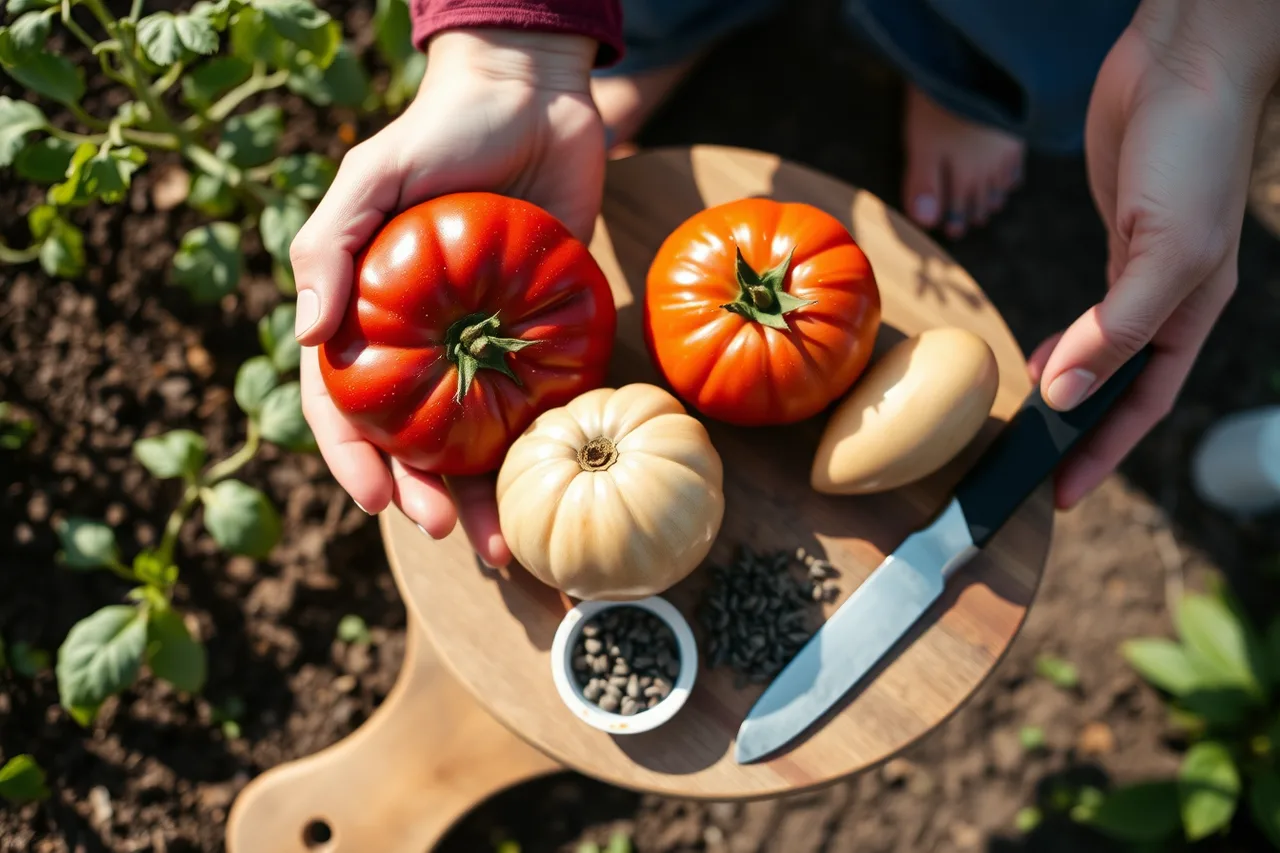
Save seed only from heirloom plants. They have been open pollinated over time, so fruit from saved seed should carry most of the parent's characteristics. Hybrids come from two pure parent lines; their crosses usually last only one generation. Saved hybrid seed gives disappointing results.
Seed Savers Exchange in Decorah, Iowa is a nonprofit that keeps open-pollinated varieties and publishes a member yearbook. Southern Exposure Seed Exchange in Mineral, Virginia sells open-pollinated seed chosen for the Southeast. A packet marked F1 or hybrid tells you saved seed will not come true.
Penn State adds one more rule: save seed from typical fruits. If the variety should be round, dark red and baseball-sized, do not save from the pale, elongated or undersized ones. That is the same selection work public collections do at scale, and it is why an old variety is still orderable at all.
On a pantry product, ask the producer the same question. A bag that names its variety, such as Anson Mills Carolina Gold, gives you something to look up.
Point 3: does the origin and history claim hold up?
Heritage crops are often grown as living exhibits. Clemson's horticulture staff describe Carolina Gold rice growing in the Hanover House garden at the South Carolina Botanical Garden. From 1720 until the Civil War, rice was the state's most economically valuable crop.
The knowledge and forced labor of enslaved West Africans and their descendants built that industry. Their descendants created the Gullah-Geechee culture of the low country. Marsh Hen Mill on Edisto Island, South Carolina sells Sea Island red peas, a Gullah-Geechee crop.
Seeing a crop standing in a field is a different kind of information from reading about it, and this one carries a history that a package cannot. Many land-grant universities and state botanical gardens keep similar plantings, and most are free to walk through.
Imported goods have paperwork of their own. San Marzano tomatoes carrying the DOP mark must be grown and canned in the Agro Sarnese-Nocerino area south of Naples, not simply packed in Italy.
Point 4: check the label, the year and the price
| Check | What it costs | What it tells you |
|---|---|---|
| Buy two harvest years of the same product | One extra bag | How much the year matters |
| Cook a heritage grain plain, with salt only | Nothing | What you are actually paying for |
| Ask a producer for the seed source | An email | Whether the claim has anything behind it |
| Read the panel on Bob's Red Mill corn grits, then on instant enriched grits | Nothing | Corn alone against corn plus niacin, ferrous sulfate, thiamin, riboflavin and folic acid |
| Divide the price by the weight, then do the same with the supermarket bag | Nothing | Whether the premium is three times or ten times |
Dried beans typically cook well for about two years after harvest, then take longer to soften and taste flatter. Ask for the harvest year before you buy a case.
Point 5: keep a one-page record
Keep one page per category. Record variety name, producer, year, price per pound, and one line on whether you would buy it again.
After a year, that page is worth more than any list someone else compiled. It shows what the same bag cost last season and which harvest you would repeat. That is the argument in how to check a heritage claim. Store what you buy properly in the meantime, following storage rules that protect flavor.