Industry
Part of Producer claims compared with what a heritage pantry category can actually support
5 things to weigh up on heritage pantry products
Five checks decide whether a heritage pantry product is worth its shelf space: variety name, seed source, harvest year, organic fit and honest shelf life.
What to take away
- Ask for the variety name, not the story. A named variety can be traced to a public collection; a story cannot.
- Check the harvest year on the lot. Seed and grain lose vigor and flavor with age.
- Confirm the seed source. Public germplasm collections keep an old variety revivable at all.
- Organic certification and heritage status are separate claims. A product can carry one, both or neither.
- Ask the producer what happens if the variety is dropped. A second delivery is the real test.
The five things to weigh up
Heritage is a marketing word with no legal definition for food. That leaves the buyer to run the checks a label will not run. Five of them decide most purchases.
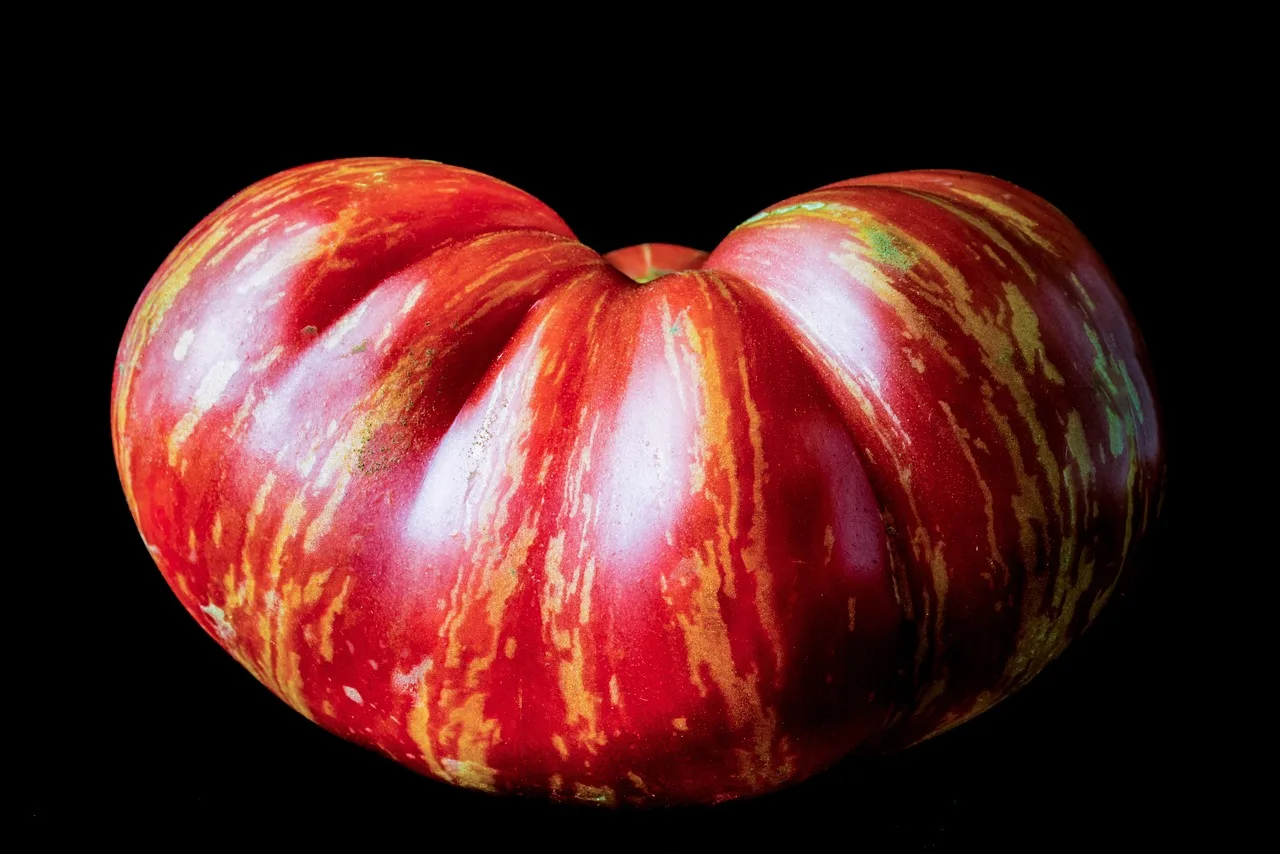
- Variety name.A package that says "Cherokee Purple" or "New Mexico 6-4" names something traceable. A package that says only "heirloom" names nothing.
- Seed source.Where the planting stock came from tells you whether the variety is held in a public collection or only in one farm's freezer.
- Harvest year.Grain, dried beans and milled flour all decline in storage. The year on the lot is the closest thing to a freshness date.
- Organic fit.Certification and heritage are independent. Old open-pollinated varieties often suit organic systems, but the two claims are verified by different bodies.
- Shelf life and repurchase.A jar that quietly spoils costs you a customer. A jar that sells through tells you whether to order a second case.
The verification habits behind the first two are set out in how to check a heritage claim, and the buying trade-offs behind the last three are in heritage products compared.
Why the seed source is on the list
Almost every heritage food traces back to a seed collection someone maintained. In the United States that backstop is the National Plant Germplasm System, and in November 2023 USDA released a national strategic plan for germplasm and cultivar collection assessment and utilization.
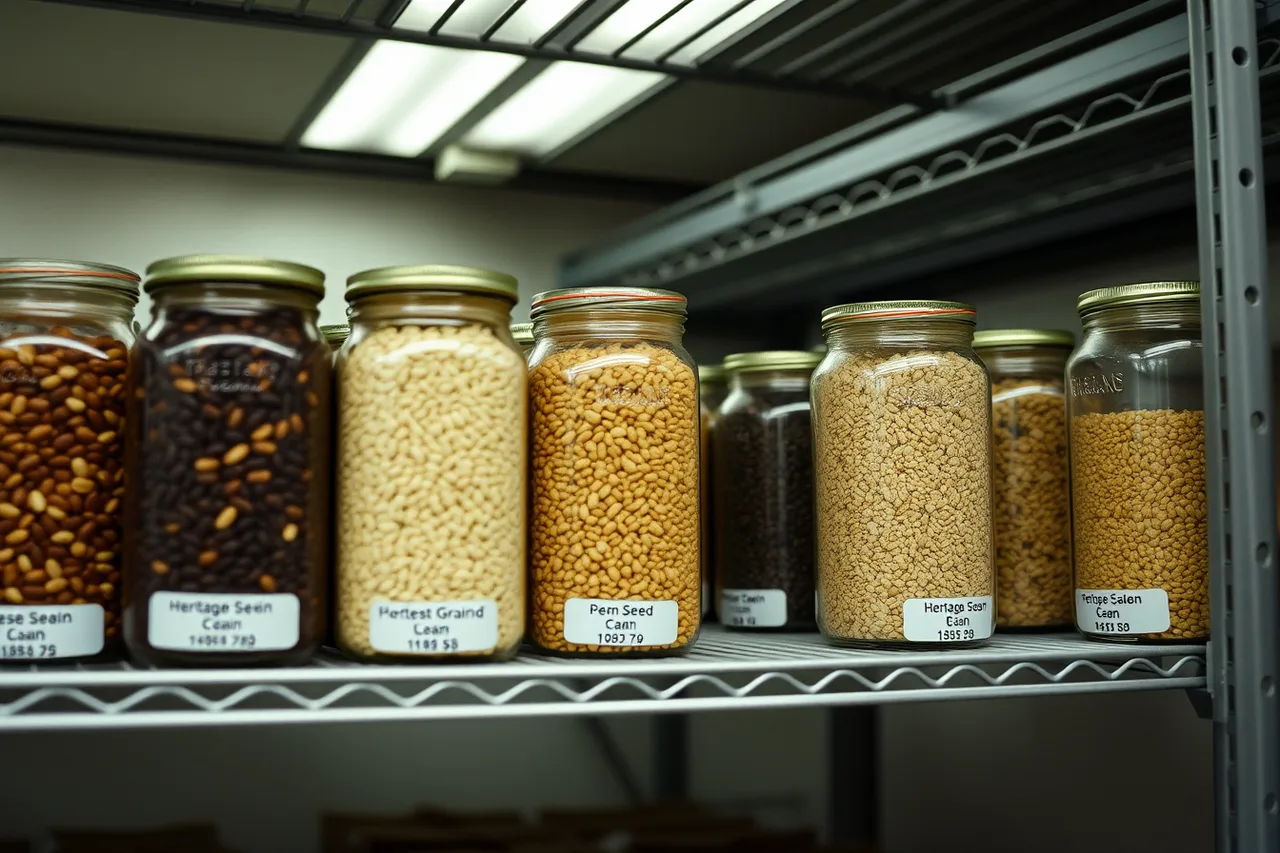
A variety that stays in a public collection can be revived. One that does not, cannot. Reviving one is its own expense, because a century-long gap means the agronomy has to be worked out again.
Collections are not static. Seed loses viability and has to be grown out and replaced, records have to be checked, and duplicates across sites have to be reconciled. That maintenance is the actual reason any old variety is still orderable.
Why organic fit is on the list
Georgia's extension bulletin on variety selection and seed saving for organic growers, published in 2023, exists because organic vegetable production has grown enough to need its own selection guidance.
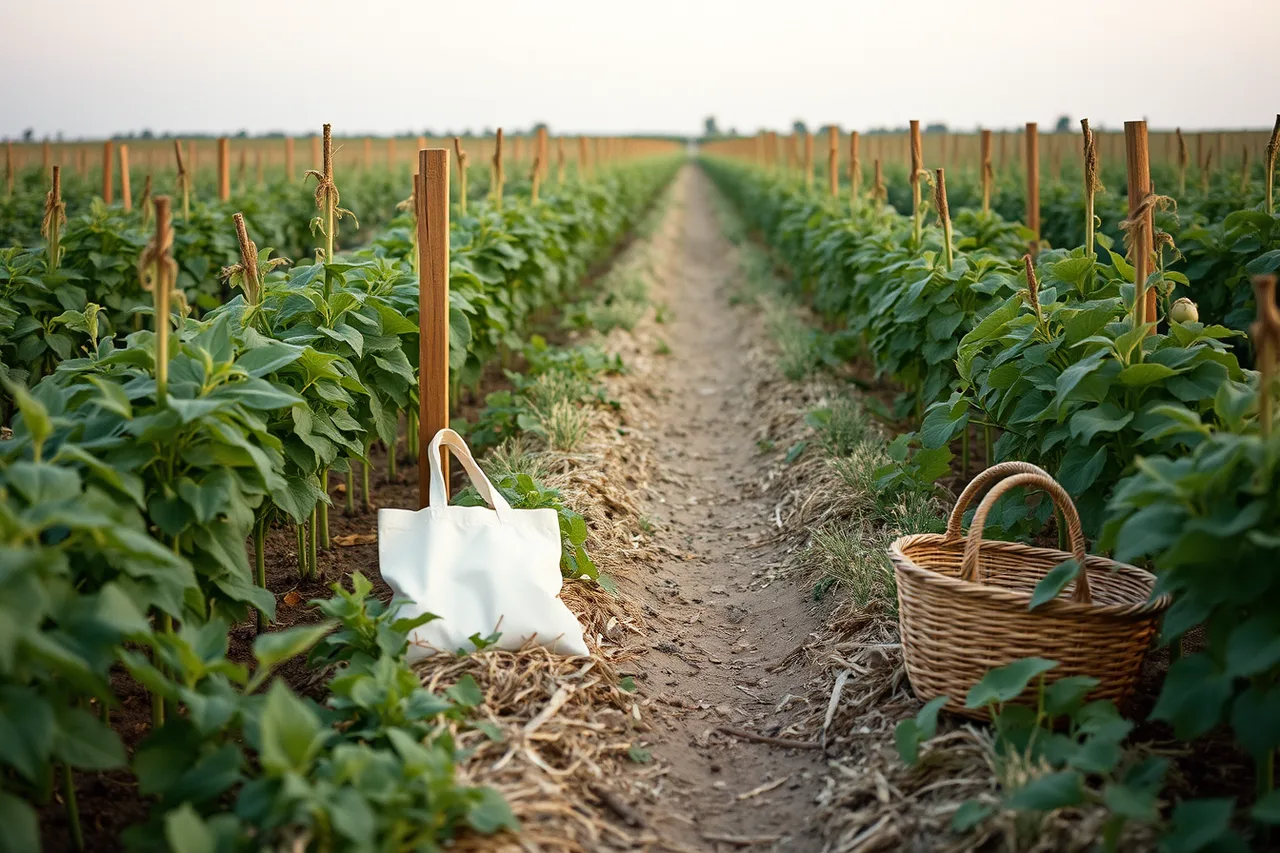
Organic systems reward vigor against weeds, disease tolerance without chemical support, and the ability to produce saveable seed. Several of those are traits old open-pollinated varieties happen to have.
The effect reaches the shelf. As organic acreage grows, chosen varieties get grown at commercial scale, including old varieties that had no commercial home for decades.
A heritage bean or grain that was a curiosity ten years ago can become a stocked item this way, with no revival marketing. The shop's question shifts from whether to stock it to whether there will be a second delivery.
What the buyer will notice
| Check | How it shows up |
|---|---|
| Variety name | A specific name on the package instead of "heirloom" |
| Seed source | A producer who can say which collection holds the stock |
| Harvest year | A year printed on the lot |
| Organic fit | A certifier named separately from the heritage claim |
| Shelf life | Small lots one year, larger the next, or a quiet delisting |
What is not changing
No legal definition of heritage or heirloom exists for food products, and none is coming. Labels need not name a variety.
Economics still favor a producer who writes a good story over one who keeps good records. Checkable details remain the ones worth asking for.
Common questions
Do seed banks sell to the public?
Public collections distribute material for research, education and breeding rather than as a retail seed source. If a producer claims a public-collection lineage, ask which collection and which accession number.
Is organic the same as heritage?
No. They overlap because old open-pollinated varieties suit organic systems, but each claim is verified by a different body. A product can carry one, both or neither.
Will heritage foods get cheaper?
Some will, as seed supply and agronomy improve. Others are limited by acreage and will not. Ask the producer which constraint applies before you plan a case quantity.
Should I stock up on something rare?
Only within the product's honest shelf life. Holding a whole grain for two years wastes it. For safe storage times and spoilage questions, check with your state extension service or a licensed food safety professional.