Reviews
Part of Specialty food mistakes that cost the most: overbuying and bad preserving
A shelf-stable specialty food shipment arrives with dates and storage problems, cheap to fix early
A shipment of shelf-stable food arrives with dates you will misread and storage you have not planned, and both problems are cheaper to fix on arrival day.
What to take away
- Date label wording is not standardized, which is why so much safe food gets discarded.
- Most of what a food box contains is a quality date, not a safety date, but not all of it.
- Where you put the box matters more than what was in it.
- Unpack, date, and shelve on arrival day, or the box becomes a pile.
The date on the jar is not one thing
Manufacturers use sell by, use by and best by voluntarily, and that variety is the problem. Two jars of strawberry jam from different makers can carry two different labels, so the same product reads differently depending on who packed it.
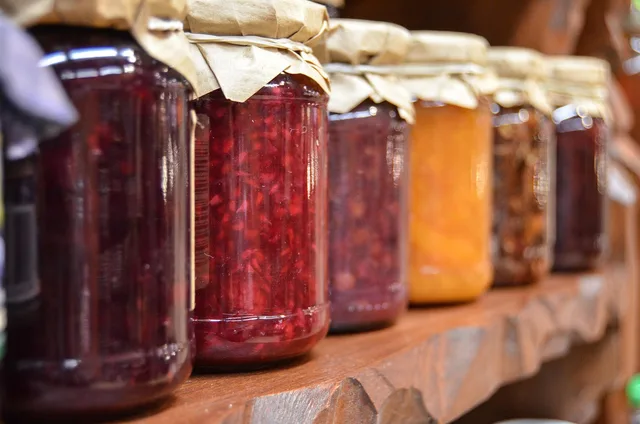
Boxes such as Mouth and Batch ship jars from small regional makers, and each maker sets its own wording. Stonewall Kitchen and McClure's Pickles belong to the same category of regional pantry brands.
Date Labels: Quality vs Safety
Quality Dates
- Typical wording
- Sell by, best by
- What it means
- Peak quality, not safety
- How common
- Most shelf-stable goods
- If unsure
- Email the producer
Safety Dates
- Typical wording
- Use by
- What it means
- Relates to safety
- How common
- A few products
- If unsure
- Email the producer
In a joint request for information, the FDA and USDA sought data on industry date labeling practices, because the wording on a jar does not tell you whether the date is about quality or safety.
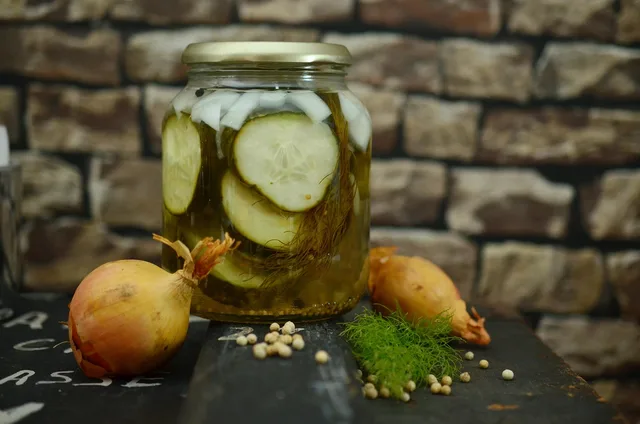
Two pickle jars on the same shelf can read best by and use by, and nothing on either label explains the difference.
The question is open, not settled, and readers can now separate the two meanings.
Most dates on shelf-stable specialty goods describe quality, while a few products carry dates that relate to safety. If you cannot tell which you hold, the producer can, and a short email usually gets a straight answer. This is the opposite of a gluten-free claim, where a single number and a test method sit behind the phrase.
Storage decides what the box was worth
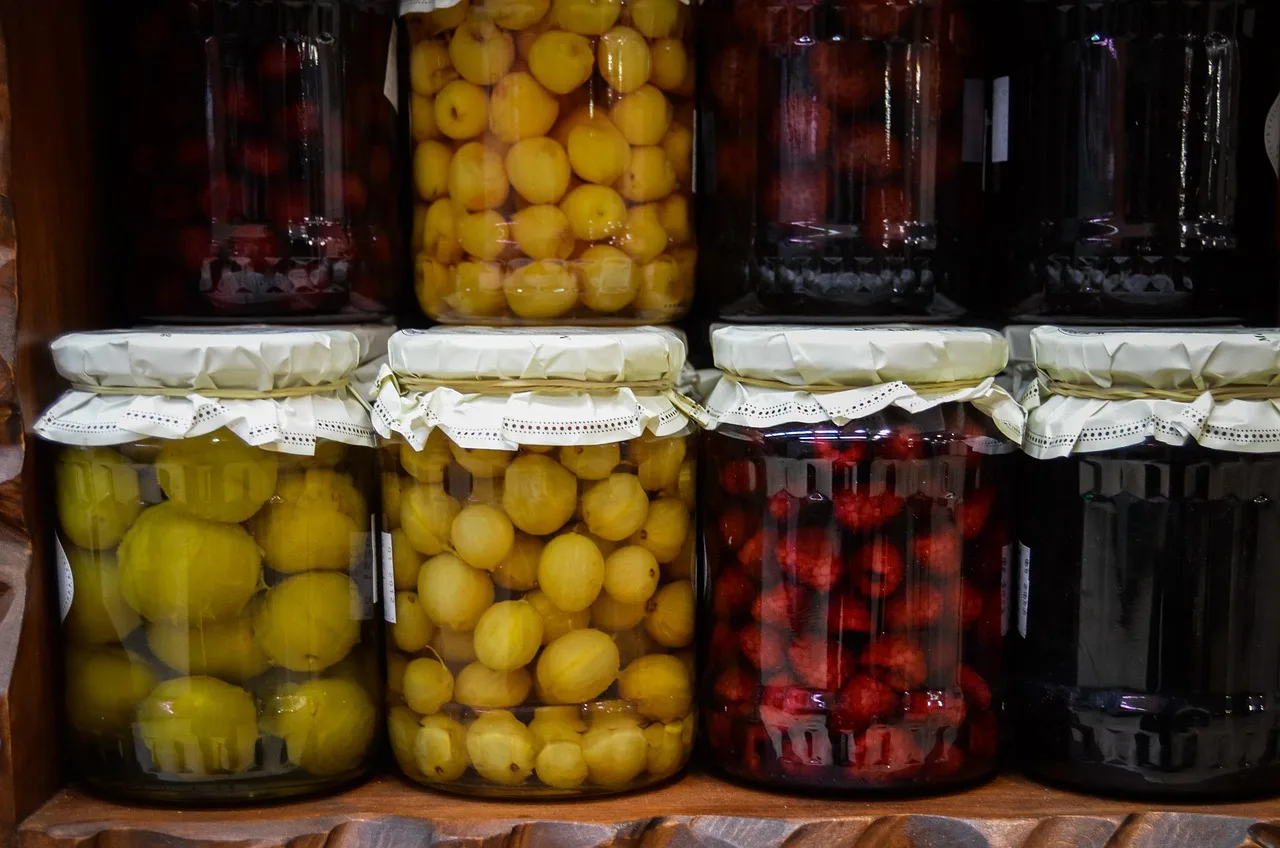
Home-canned and shelf-stable jars are more sensitive to where they sit than most people expect. The National Center for Home Food Preservation's guidance on storing home canned foods says to label and date jars.
Where to Store Jars
- Clean, cool, dark, dry place
- 50 to 70 degrees Fahrenheit
- Label and date every jar
- Can only what you'll use in a year
- Never above 95 degrees Fahrenheit
- Not near hot pipes, range, furnace
- Not in attic or direct sunlight
Store them in a clean, cool, dark, dry place, ideally 50 to 70 degrees Fahrenheit. It also says to can no more than you will use within a year.
It is also specific about where not to store them: not above 95 degrees Fahrenheit, not near hot pipes, a range or a furnace, not in an uninsulated attic, and not in direct sunlight. Under those conditions food loses quality within weeks or months and may spoil. Dampness can corrode lids, break seals and allow recontamination.
A purchased pepper jelly and a home-canned tomato follow the same rule. A bulging lid or a leaking seal outranks any date printed on the jar.
Most kitchens contain at least one cupboard that breaks two of those rules, usually the convenient one beside the stove. Moving specialty jars to a cooler cupboard on the day the box arrives is a two-minute job that pays for itself over a winter.
The cost is small. A cupboard or fridge thermometer is typically under $20, and a cooler shelf costs nothing.
The arrival-day routine
| Step | Why |
|---|---|
| Unpack everything immediately | Perishables cannot wait for enthusiasm |
| Check every seal and lid | A popped lid or bulging jar is a safety problem |
| Write the arrival date on each item | Producer dates assume storage you may not match |
| Shelve by date, oldest to the front | The only system that survives a busy month |
| Photograph the insert | It is the only record of what was in the box |
| Move jars off any shelf near the stove | Heat is the cheapest thing to fix |
One habit is missing from that table because it is not about arrival day. Open the good jar rather than saving it, because a shelf full of things being saved is how a subscription turns into storage.
Why jars pile up faster than you eat them
A subscription arrives on its own schedule, not yours, so items accumulate faster than they are eaten. A box a month is an easy rate to buy at and a hard rate to cook through.
The fix is to pause a month rather than let a shelf silently age. The contract side of that is covered in reading the terms before you subscribe. The shipping checks are in what a regional food box has to get right.