Costs
Build, share or co-pack: how small specialty foods brands get made
Specialty foods brands can build a kitchen, rent a shared one or hire a co-packer: what each route involves and the co-packer questions that become cost lines.
What to take away
- Building a commercial kitchen is usually the largest single number, and it is why shared facilities exist.
- A co-packer's minimum run size sets the smallest amount of money a producer can risk.
- Certification is bought, not earned by intention, and it has to come from whoever actually makes the food.
- Ingredient cost is real and is rarely the reason a small jar costs what it does.
The first fork: build, share or hire
A producer of specialty foods moving beyond a home kitchen has three routes, at very different costs. A small-batch hot sauce, a jar of apple butter or a bag of stone-ground grits each ends up made on one of them.
Three routes past a home kitchen
Build out
- Capital
- $100-$300/sq ft
- Risk
- High
- Best for
- Committed producer
Shared-use kitchen
- Capital
- Minimal
- Risk
- Limited
- Best for
- Testing a product
Hire a co-packer
- Capital
- None
- Risk
- Low
- Best for
- Most shelf jars
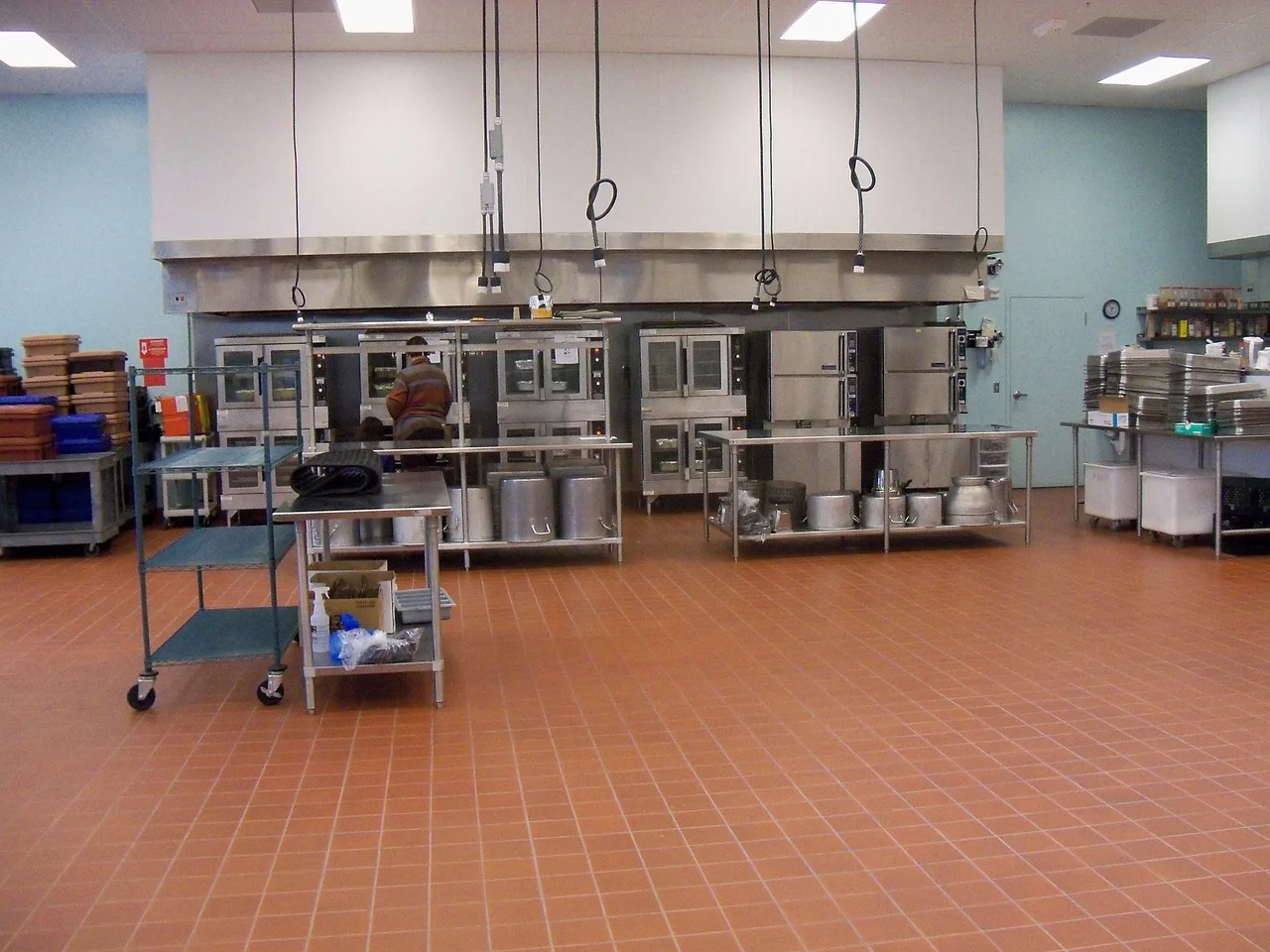
Building out a commercial kitchen in an existing space can run up to $100 to $300 per square foot, per University of Florida extension guidance. Shared-use commercial kitchens exist for that reason. They offer commercial space with minimal capital investment, letting a producer test a product and limit the damage if it fails.
The third route is to hire someone else's factory. That is where most of the jars on a specialty shelf come from.
The questions that reveal what a co-packer charges for
Florida extension's guide to finding and using a co-packer lists the questions a producer should ask, and each one is a cost line in disguise:
- What size and type of packaging can they run? Some co-packers specialize in one type of food or one container size, so a hot sauce needs one that can fill small bottles.
- What is the minimum production they will do? In general, larger co-packers only produce greater amounts, while smaller ones offer smaller runs.
- What is the specific cost for processing and handling the product? Ask whether the price can be guaranteed for a year, and make sure there are no hidden fees.
- Can they order and store ingredients, supplies and finished goods, or must the producer order and ship them in?
- Can they provide the certifications the product needs? A kosher, halal, organic, gluten-free or non-GMO claim requires a co-packer who can provide that certification.
What a co-packer charges for
- Packaging size and type
- Minimum production run
- Processing and handling price
- Made to specification
- Facility certifications
That last one catches people out. A certification lives with the facility and the process, not with the recipe or the founder's intentions. So does cross-contact, which is why a question about the facility gets further than a question about the recipe when an allergy is serious.
The same guide suggests asking for the co-packer's most recent inspection report and its food safety systems, such as Preventive Controls or HACCP. To find candidates, it points to the Specialty Food Co-Packers Directory and the member directory of the Association for Contract Packagers & Manufacturers, and notes that university Extension offices can help locate local co-packers.
Its own list of Florida and Georgia co-packers, which the authors say is not an endorsement, shows how specialized the trade is. Ashlynn's Gourmet in Clearwater processes sauces and also offers a co-packing training course. Best Brand Bottlers in Sarasota runs salad dressings, marinades, BBQ sauces, pasta sauces, hot sauces and cocktail sauces. Palmetto Canning lists marinades, sauces, dressings, jellies and marmalades among its products.
The facility also carries the federal paperwork. Under the FD&C Act, as amended by FSMA, food facilities required to register with the FDA must renew those registrations every other year, one more record to ask a co-packer about alongside its inspection report.
Why minimum runs shape the shelf
| Constraint | What it produces |
|---|---|
| High minimum run | Fewer flavors, longer gaps between batches |
| Low minimum run | More variety, higher unit cost |
| Single filling line | One container size for years |
| Certification at the facility | A claim the brand can make, or cannot |
A brand offering nine flavors in small jars is telling you something about its production arrangement, whether or not it means to.
The reverse is also readable. A producer who has offered the same three items in the same jar for a decade usually runs long batches through a fixed line. Their price stability is that arrangement's visible result.
Where raw material is the constraint, not the filling line, the arithmetic differs, because heritage prices are set by yield and handling in the field.
The costs nobody puts on the label
Freight in and out. Labels, which are cheap per thousand and expensive per hundred. Insurance. Laboratory testing for shelf life and, in some categories, for pH or water activity. Storage of finished goods until they sell. Spoilage. The founder's own unpaid hours, which almost never appear in a price and quietly subsidize the early years.
What this means for a buyer
It explains prices that look arbitrary and it explains why small producers resist making a smaller jar. It also explains why the same recipe can appear under two labels.
It bears on what "local" means, too. The Florida guide notes that it is not uncommon for a food entrepreneur to work with co-packers in other states, so a regional brand's recipe and its jar may come from different places. Asking where a product is made, not only whose name is on it, is a fair question for any brand that sells on its region.
The trade rules behind wholesale buying are covered in how shops and bars choose.
Common questions
Is a shared kitchen a sign of a small operation?
Why will a producer not make a trial size?
Does a co-packed product mean the founder does nothing?
Where does most of the retail price go?
In this guide
- Specialty foods businesses: why shops stock jars before produceSpecialty foods businesses meet light rules on shelf-stable jars and a federal license on produce: where the PACA thresholds sit and why shops start small.
- Specialty foods labels: why a missing Contains line mattersSpecialty foods labels: learn why a Contains line is optional, what FDA law requires, and how to check a regional product's ingredient list.
- Regional food subscriptions: check the terms firstSpecialty foods reviews can't show every contract detail. Check cancellation, skip, substitution and refund terms before joining a regional food subscription.