Industry
Part of How to Research Regional Pantry Foods by Category
Build your own pantry brand discovery list from certification rules, grade standards and receipts
A beginner's method for pantry brand discovery using three public records: state certification conditions, federal grade standards, and your own receipts.
What to take away
- We do not publish a brands to know list, because we have not bought from, visited or audited anyone.
- State certification schemes publish their conditions, so you can read what a mark actually promises.
- Federal grade standards tell you what a category's own vocabulary means before a marketer borrows it.
- A list you assembled yourself survives contact with your own taste. A borrowed one does not.
Why the list is missing
A beginner-friendly list of brands would be the easiest thing on this site to write and the least defensible. Ranking producers requires buying repeatedly, across seasons, and ideally seeing how they work. We have not done that for any producer, so a list here would be a rearrangement of other people's marketing.
What follows is the alternative: three kinds of public record that let you build a list nobody sold you.
Record one: state certification conditions
State programs vary, and the specific conditions are the useful part.
New York Honey Certification
- All honey harvested in New York
- Pass food safety test at 90 percent
- Added ingredients require 20-C license
New York's Grown and Certified rules for honey require that all honey is harvested in New York, and the producer must pass the state's Honey Food Safety Best Practices Manual test with a score of 90 percent. Adding any ingredient beyond pure honey brings a 20-C license requirement.
Read that and you know exactly what the mark on the jar is claiming, which is a narrow and checkable thing rather than a promise of quality. The same move works on words no program stands behind, where a named variety is the checkable part of a heritage claim.
Record two: federal grade standards
Grade language predates marketing language. For maple syrup, U.S. Grade A means not more than 68.9 percent solids by weight, good uniform color, flavor intensity normally associated with the color class, and freedom from cloudiness, turbidity and sediment. Processing Grade syrup must be packed in containers of five gallons or larger and cannot be sold in consumer-size retail containers.
U.S. Grade A vs Processing Grade
U.S. Grade A
- Solids
- Max 68.9%
- Color
- Good uniform
- Flavor
- Matches color class
- Clarity
- Free of cloudiness
- Packaging
- Retail allowed
Processing Grade
- Solids
- Not specified
- Color
- Not specified
- Flavor
- Not specified
- Clarity
- Not specified
- Packaging
- 5 gallons or larger
That last rule is a good example of how a standard quietly shapes a shelf. It explains why certain grades never appear in a retail bottle, and it means a phrase you might have read as marketing is in fact a defined term with a numeric test behind it.
Reading one standard end to end takes about fifteen minutes and permanently changes how a shelf looks.
Standards are also a good way to catch a claim that is doing less work than it appears to. A producer describing syrup by its color class is using the standard's own vocabulary. A producer describing it as rich or old-fashioned is not, and there is no document you can check that against.
Record three: your own receipts
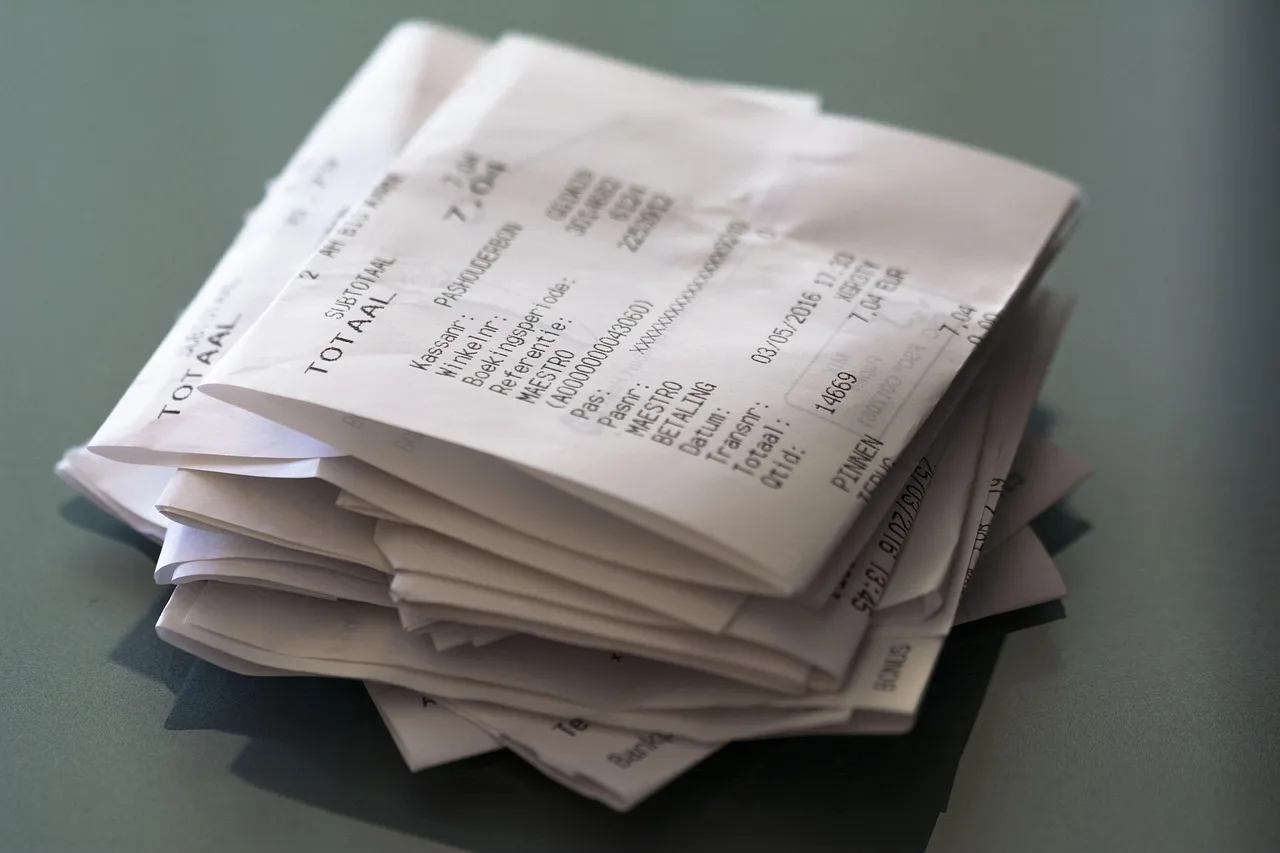
- Keep every jar's label, or a photograph of it, with the date you opened it.
- Note the producer's address, not just the brand name.
- Record whether you finished the jar. It is the most honest score there is.
- After five purchases in one category, rank them. Now you have a list.
What to do with the three records together
Certification tells you what the producer agreed to. Grade standards tell you what the words mean. Your receipts tell you what you actually like. A producer who satisfies all three is a find. This is the discovery method described in planning brand discovery, and the label-reading half of it is set out in what labels can tell you.