Guides
How to Research Regional Pantry Foods by Category
Pantry brand discovery planning starts with one regional food category: check certification rules, learn who made it, and log repeat-buy decisions.
What to take away
Discovery planning for regional pantry foods works best as a category project: pick one shelf, check which certification rules apply, learn who made the food, and log one purchase.
- Discovery works better as a category project than as a brand hunt. Pick one shelf and stay there for a season.
- State certification programs can provide a public starting point because their membership rules are published.
- Whoever appears on the label may not be the company that made the food, and that is normal.
- Buy one item, write four lines about it, and repeat. The notes are the asset, not the jar.
- Before you order a case, ask the producer which lot and storage details they can share.
Pick a category, not a producer
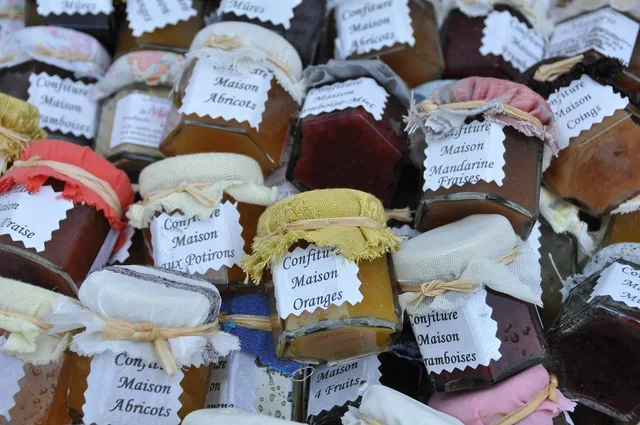
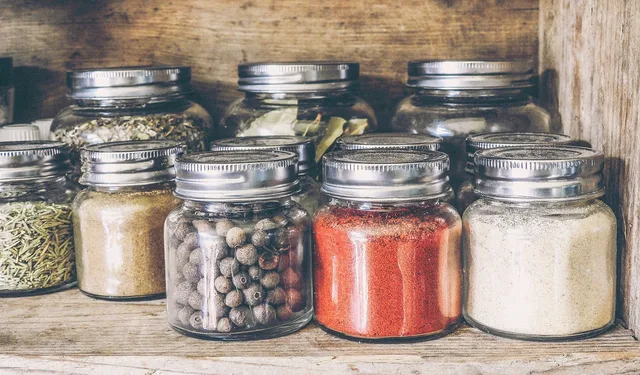
A category has edges you can learn. Choose one and stay inside it long enough to hear differences instead of guessing at them. Possible pantry categories include sorghum, grits, regional maple syrup, honey, and preserves.
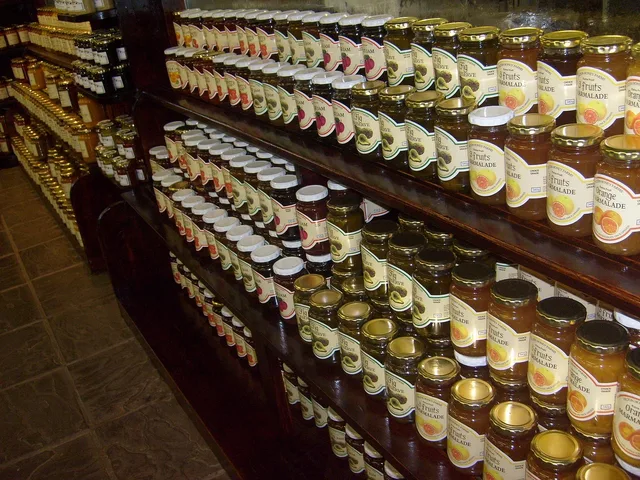
Brand-first discovery does the opposite. You end up with one jar of everything and no basis for comparison. The cheapest way to run this properly is six jars of one category over three months, from six different producers.
Category-first vs brand-first
Category-first
- Focus
- One category
- Comparison
- Like with like
- Purchases
- Six jars, three months
- Result
- Hear differences
Brand-first
- Focus
- One jar of everything
- Comparison
- No basis
- Purchases
- Scattered single buys
- Result
- Guessing
Check which certification programs apply
Some states run certification programs whose requirements are public. New York has the New York State Grown & Certified program. The program asks that producers participate in an environmental management program and that farms take part in a third-party food safety verification program where one applies.
New York Grown and Certified
- Producer joins environmental management program
- Farm uses third-party food safety verification
- Requirements are public before you buy
- Every state runs its own scheme
Those are membership conditions, not taste judgments, and you can read them before you spend anything. Every state does this differently, and the differences themselves are informative. To look beyond these examples, start with the relevant state's department of agriculture website and search for its certification program or certified-producer list.
New Mexico runs a separate chile certification, and the state agriculture department publishes which growers hold it. Where a state has no program, the label, the business address and the pack date are what you have.
Find out who actually makes it
Small brands often do not own a factory. Penn State's guidance describes a co-packer as a food processor with spare capacity that offers manufacturing, packaging and labeling for a fee.
It advises a producer to bring a written product description, a standard of identity, anticipated volume and scale-up goals to the first meeting.
This is worth knowing as a buyer. A co-packed product is not a lesser product. It does mean the recipe, not the building, is the thing you are buying.
Ask who fills the jar, then ask where the fruit or the grain came from. A brand that answers both without hesitating is telling you how it buys.
Buy once, record, repeat
Field / What to write
- Category and item
- Dark amber sorghum, 16 oz
- Where bought and price
- Direct from producer, with shipping
- What it tastes like
- Two sentences, no adjectives you cannot defend
- Would buy again
- Yes, no, unsure
Four fields. Anything longer will not get filled in.
The third field is the hard one. Naming a defect rather than a virtue gives you something you can defend and something you can ask the producer about.
Keep notes in one file or one notebook, since scattered notes are the same as no notes. The value only appears when you can put the fourth purchase next to the first.
Track repeat quality and handle safety questions separately
A batch that varies from one purchase to the next is useful evidence for your notes. Ask the producer about the lot if the label does not explain the difference.
Fat oxidation turns a nut butter or a seeded cracker rancid before the printed date. Record storage conditions separately from flavor; cold-storage flavor loss is another quality issue worth noting.
Shelf-stable jars can spoil quietly. If a lid has lost its seal, a brine has gone cloudy, or a smell is off, do not taste it to find out.
For retail context, see how shops and bars choose specialty foods. For a suspect jar, ask a licensed food safety professional.
This article cannot tell you whether a specific jar is safe.
Overbuying is the quieter failure. A case of twelve is a bargain per unit and a loss if you finish three.
Decide what a repeat purchase means
After a season you will have a short list you arrived at yourself, which is worth more than any list handed to you. For a related discussion, see Pantry Brand Discovery: Brands to Know for Beginners.
Then cost the case honestly. Let C be the case price, S the shipping, and N the number of jars you will actually finish before the product turns. Your real cost per jar is (C + S) / N, and N is almost always smaller than the number in the box.
Common questions
These questions cover how to use the category-first method and what to consider when evaluating an item.
How long does this take?
One category, one season, roughly five purchases. Any faster and you are collecting rather than comparing.
Is direct from the producer always better?
Not always cheaper, and not always fresher. It usually gets you a more informative label and a person who will answer a question.
Should I trust a certification I have never heard of?
Look up its rules first. A scheme that publishes its requirements is telling you something; a mark with no public standard behind it is decoration.
What if a category has no certification at all?
Most do not. Then you fall back on the label, the address, the pack date, and your own repeat purchases.
In this guide
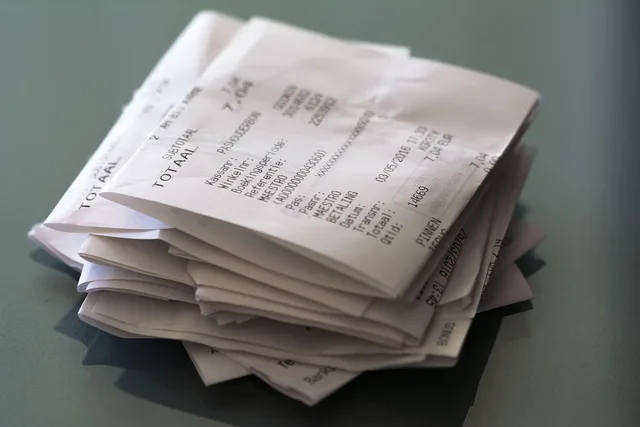
- Build your own pantry brand discovery list from certification rules, grade standards and receiptsA beginner's method for pantry brand discovery using three public records: state certification conditions, federal grade standards, and your own receipts.
- What a higher price pays for in small-batch pantry goodsPantry brand discovery on price: what a higher price pays for in small-batch goods, from batch size and packaging to New York's license fees and certification.
- Pantry brand discovery retail: a shop's pre-order checklistPantry brand discovery retail goes smoother when a shop confirms licenses, insurance, lot codes and traceability records before the first order ships.
- 4 label rules reshaping pantry brand discovery for buyers heading into 2027Four labeling and recordkeeping rules will change what pantry buyers see on jars and what small producers must document on compliance sheets before 2028.
- Pantry brand discovery, reviewed for 2027A 2027 review of pantry brand discovery names small-batch producers worth finding and store-shelf checks that tell you which jars to buy again.