Features
Asheville and Burlington compared as small-city pantry markets
Small-city pantry markets in Asheville and Burlington hinge on state cottage food rules, tourism demand and how co-op distribution works in each city.
What to take away
- Small-city pantry markets reward scouts who read state cottage food rules before they book a buying trip.
- North Carolina caps direct sales at $50,000 a year and needs no permit, which suits jam, apple butter and fermented goods.
- Vermont allows $50,000 a year in direct sales, but its farmers market and co-op channels pull in stronger preserved and maple lines.
- Tourism demand shifts volume toward fall leaf season in Asheville and summer in Burlington, so order timing matters.
- Co-op distribution gives both cities a small, low-risk test shelf, but Asheville's co-op network is denser and faster to stock.
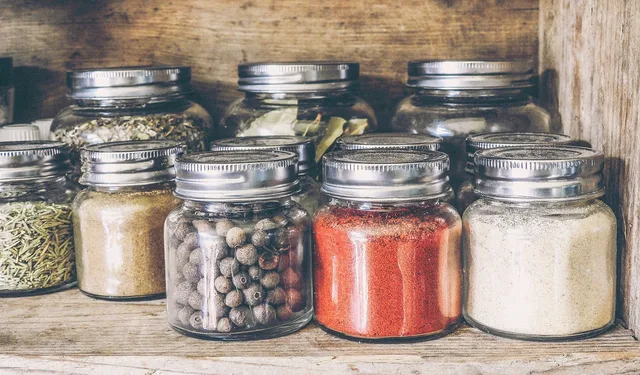
- Match the category to the rule sethigh-acid preserves travel well under both states, while low-acid goods need a different plan.
Two artisan food hubs, two sets of cottage food rules
Asheville and Burlington sit in different regulatory worlds even though both are small cities with outsized food scenes. Asheville anchors a dense cluster of Appalachian jam, apple butter and fermented pantry producers selling through regional co-ops and tailgate markets. Burlington sits in Vermont's artisan food corridor, a compact test market for maple, cheese and preserved goods.
A scout comparing them is not comparing two versions of the same market. The state cottage food rules, the tourist calendar and the co-op shelf all differ. That changes the sourcing plan before a single case is bought.
Named gateways in Asheville include the French Broad Food Co-op and Asheville City Market. Named producers there include Imladris Farm and Stepp's Hillcrest Orchard. In Burlington, the named co-op is City Market, Onion River Co-op, the market is Burlington Farmers Market, and nearby shops include Healthy Living Market. Named producers in the corridor include Runamok Maple and Vermont Creamery.
Start with regional American foods across the U.S. to fix the category, then read the two rule sets below. Regional food market comparisons like this one rely on the same public data sources, and the BLS statistics by geography give the employment and wage backdrop for both metros.
North Carolina cottage food rules and what they allow
The North Carolina Cottage Food Law lets a home producer sell certain low-risk foods without a food establishment permit. The state caps gross sales at $50,000 a year. Above that, the producer needs a permitted facility.
NC Cottage Food Label Checklist
- Product name
- Producer name and address
- Ingredients by descending weight
- Net weight
- Allergen statement
The allowed list covers high-acid and dry goods: jams, jellies, fruit butters, baked goods that do not need refrigeration, and dried herbs. Fermented foods are not on the allowed list, so a fermented pantry line needs a different licensing path.
Labeling is strict. Every unit needs the product name, the producer's name and address, the ingredients in descending order by weight, the net weight, and an allergen statement. A cottage food operation may not sell wholesale, may not sell to restaurants, and may not ship out of state.
Sales happen face to face, at farmers markets, roadside stands, fairs and by direct delivery to the consumer.
That direct-only limit is the hinge for a scout. A North Carolina cottage producer can supply a tailgate market or a consumer, but not a retail shelf across state lines. If a shop wants the product, the producer often may need new licensing to sell into a store.
Vermont cottage food rules and what they allow
The Vermont Department of Health cottage food exemption works differently. Vermont runs a tiered registration. A home producer selling less than $50,000 a year in direct sales can operate under the cottage food exemption. Above that, the producer registers with the Vermont Department of Health and moves into a licensed category.
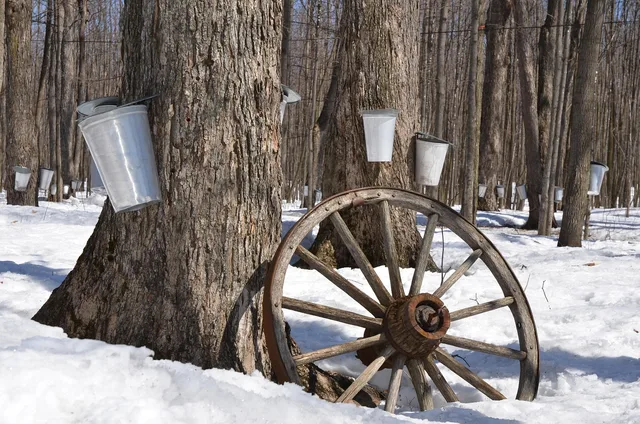
Vermont's allowed list is broader in some directions and narrower in others. Baked goods, jams, jellies, preserves, maple syrup, honey and dried herbs are covered. Maple is the standout: Vermont treats maple syrup as a cottage food within the sales cap, which is why the Burlington corridor is thick with small maple packers.
A dairy product such as cheese is not a cottage food in Vermont. Cheese needs a dairy license and inspection. That matters because Burlington's artisan identity leans on cheese, so a scout chasing cheese is not chasing a cottage producer at all.
Vermont also requires a label with the product name, the producer's name and address, the ingredients, the net weight and an allergen statement. Direct sales include farmers markets, farm stands, CSAs and online sales within the state. Cross-state shipping is limited.
For any producer weighing the jump from home kitchen to licensed plant, the compliance assistance for new and small cottage food producers covers wage, hour and recordkeeping duties that arrive with employees.
How tourism demand changes a scout's sourcing plan
Tourism demand is the second variable, and it does not peak at the same time in the two cities. Asheville's visitor flow runs hard through the fall leaf season and again in spring. Burlington's runs through summer and the ski months, with a shoulder in early fall.
Tourist Peaks and Production Runs
- Fall leaf seasonAsheville visitor peak
- SpringAsheville second peak
- Late summerAsheville jam inventory build
- SummerBurlington visitor peak
- Ski monthsBurlington visitor peak
- Spring boilBurlington maple production
That calendar sets production runs. An Asheville jam maker builds inventory in late summer for the October crush. A Burlington maple packer builds through the spring boil and sells through summer and winter visitors. A scout who orders in the wrong month pays spot prices or waits.
Tourism also changes pack size. Visitors buy small jars and gift boxes. Locals buy larger jars. A pantry brand entering either market should expect a gift-pack skew in the tourist months and a staple skew in the off months.
Both cities carry disaster risk that can interrupt supply. Asheville's river corridors flooded in 2024, and food businesses there have used FEMA business assistance after disasters to rebuild. A sourcing plan should name a second producer for any single-origin line.
Consumer spending context matters too. The BLS consumer resources for food price and spending help a scout sanity-check retail price points before negotiating. For operators setting up a new pantry brand entity, the small business portal for pantry brand operators is the starting point for registration, tax and permit steps.
Co-op distribution in Asheville and Burlington compared
Asheville co-op distribution is the denser of the two. The city has a long co-op tradition, and several regional co-ops and buying clubs carry local pantry goods on a small initial order. A producer can often get onto a shelf with a few cases and a local producer form.
Co-op Distribution: Asheville vs Burlington
Asheville
- Co-op density
- Higher
- First order
- Few cases, fast
- Label check
- Cottage label + form
- Tourist peak
- Fall, spring
- Cheese
- Not cottage
- Cross-state shipping
- Limited
Burlington
- Co-op density
- Lower
- First order
- Few cases, slow
- Label check
- Registration + form
- Tourist peak
- Summer, ski
- Cheese
- Not cottage
- Cross-state shipping
- Limited
Burlington co-op distribution is smaller but more curated. The co-op shelf in Burlington leans toward Vermont-made and organic, and it expects a producer to meet the state's labeling and registration rules before it will stock. The buyer list is short and the review is slower.
Here is the practical comparison.
Co-op distribution compared
Asheville
- Co-op density
- Higher, several regional co-ops and buying clubs
- Typical first order
- A few cases, fast decision
- Label check
- State cottage label plus co-op form
- Tourist peak
- Fall leaf season, spring
- Cottage sales cap
- $50,000 a year
- Cheese
- Not a cottage food
- Cross-state shipping
- Limited
Burlington
- Co-op density
- Lower, one dominant co-op plus small natural grocers
- Typical first order
- A few cases, slower review
- Label check
- State registration plus co-op form
- Tourist peak
- Summer, ski season
- Cottage sales cap
- $50,000 a year
- Cheese
- Not a cottage food
- Cross-state shipping
- Limited
A worked example shows how this plays out. Suppose a scout wants a shelf-stable apple butter and a maple syrup for a two-city test.
Co-op distribution compared
- Confirm the apple butter producer falls under North Carolina cottage food rules and stays under the $50,000 cap.
- Confirm the maple packer falls under Vermont cottage food rules and holds a current registration.
- Check both labels against the state required fields before any purchase order.
- Place a small first order with an Asheville co-op for the apple butter and a Burlington co-op for the maple.
- Time the reorder to the tourist peak in each city, fall for Asheville and summer for Burlington.
This is the same discipline described in pantry brand discovery: pick the category, check the register, then buy once.
Which market fits which pantry category
Match the category to the rule set and the channel. High-acid preserves such as jam, jelly and apple butter fit both cities. They are allowed cottage foods in North Carolina and Vermont, they are shelf stable, and they survive a co-op shelf.
Which Market Fits Your Category
Is the product a high-acid preserve?
Fits both cities
Check maple, fermented or cheese
Maple fits Burlington best. Vermont's cottage rules cover maple within the cap, and the corridor has deep packer density. Asheville has maple too, but it is a smaller line and competes with the region's apple and berry identity.
Fermented pantry goods fit Asheville's producer base but not its cottage food list. A scout sourcing kimchi, hot sauce or fermented vegetables should expect a licensed facility and a commercial kitchen, not a home producer. That raises cost and lowers the number of available makers.
Cheese fits Burlington's identity but not its cottage rules. A cheese line needs a dairy license and inspection. Treat cheese as a licensed category in both cities.
Honey, dried herbs and granola fit both markets as cottage foods. They are cheap to test, easy to label and quick to stock.
Before committing, read the appalachian apple butter small batch the way a shop would, and keep the public failure lists from state inspectors in the buying file. A failed inspection record is a faster disqualifier than a missing co-op form.