Reviews
Part of State food specialties status ranges from symbolic to strictly regulated
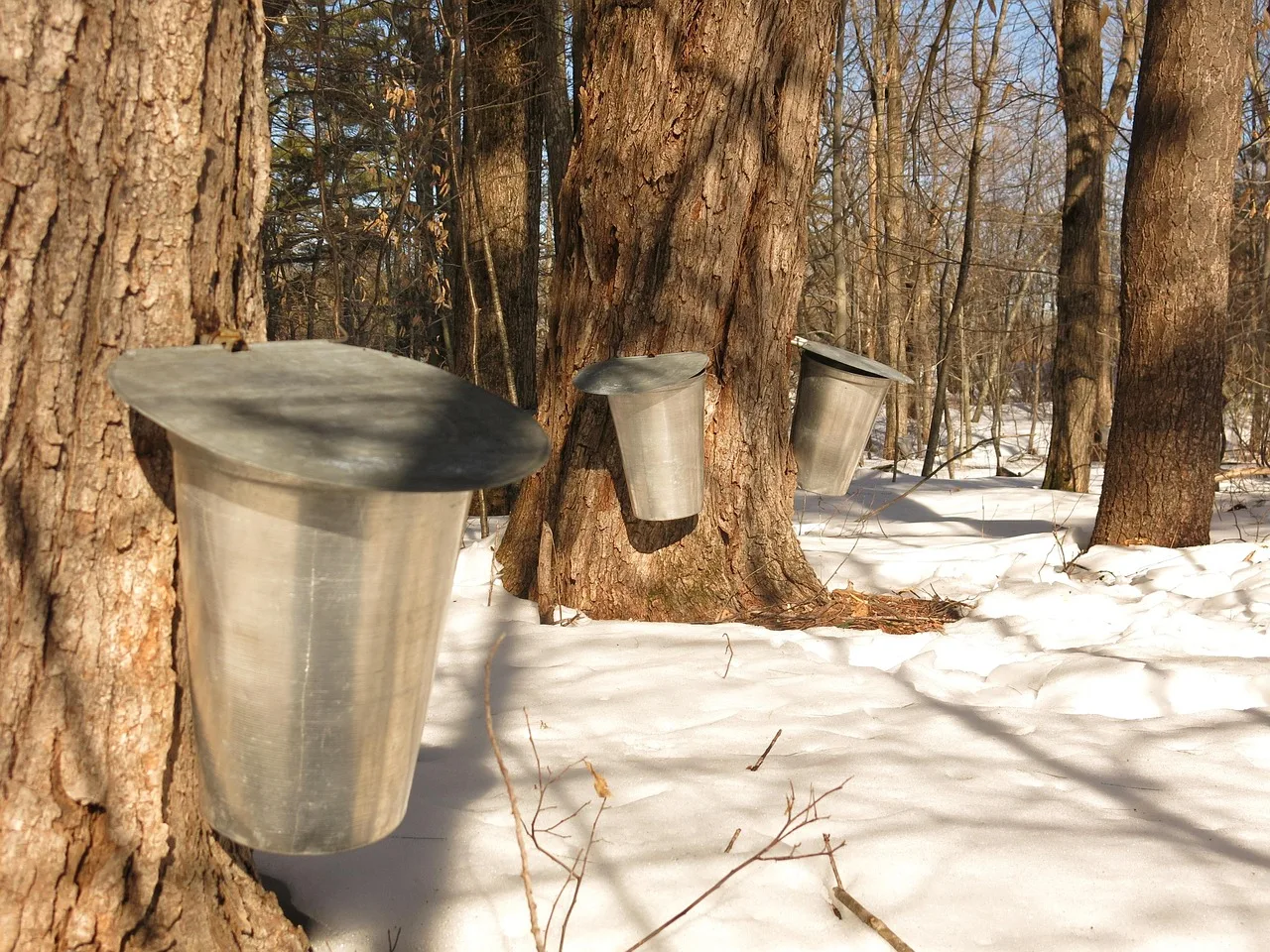
State Food Specialties Tasting: A Maple Syrup Method
State food specialties tasting starts with maple syrup: see why density matters, how to isolate one variable, and how to record a fair at-home comparison.
What to take away
For a state food specialties tasting at home, maple syrup is a practical place to start: density is measurable, and you can compare one variable at a time.
- Producers measure what they can and taste what they cannot. Do both, in that order.
- Compare two samples that differ in one thing, never two. Two makers, two grades, two seasons and one jar over time are the four pairings worth running.
- Maple density has a legal window, which means one property of the syrup in front of you is a number, not an opinion.
- The comparison is worth keeping. A single tasting tells you about a jar; a series tells you about a category.
Measure first, taste second
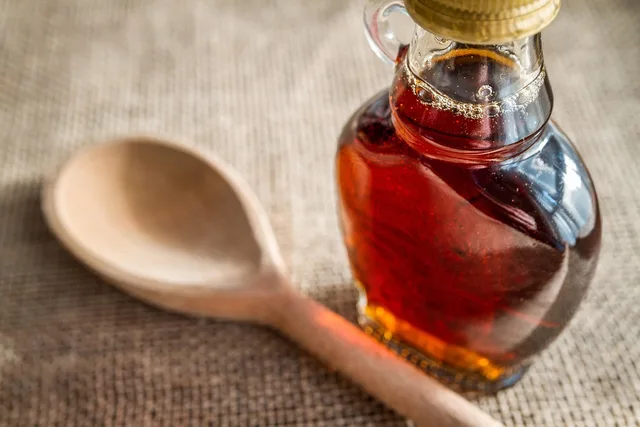
The University of Maine's maple syrup quality control manual gives the density window for maple syrup as between 66 and 68.9 degrees Brix at 68 degrees Fahrenheit.
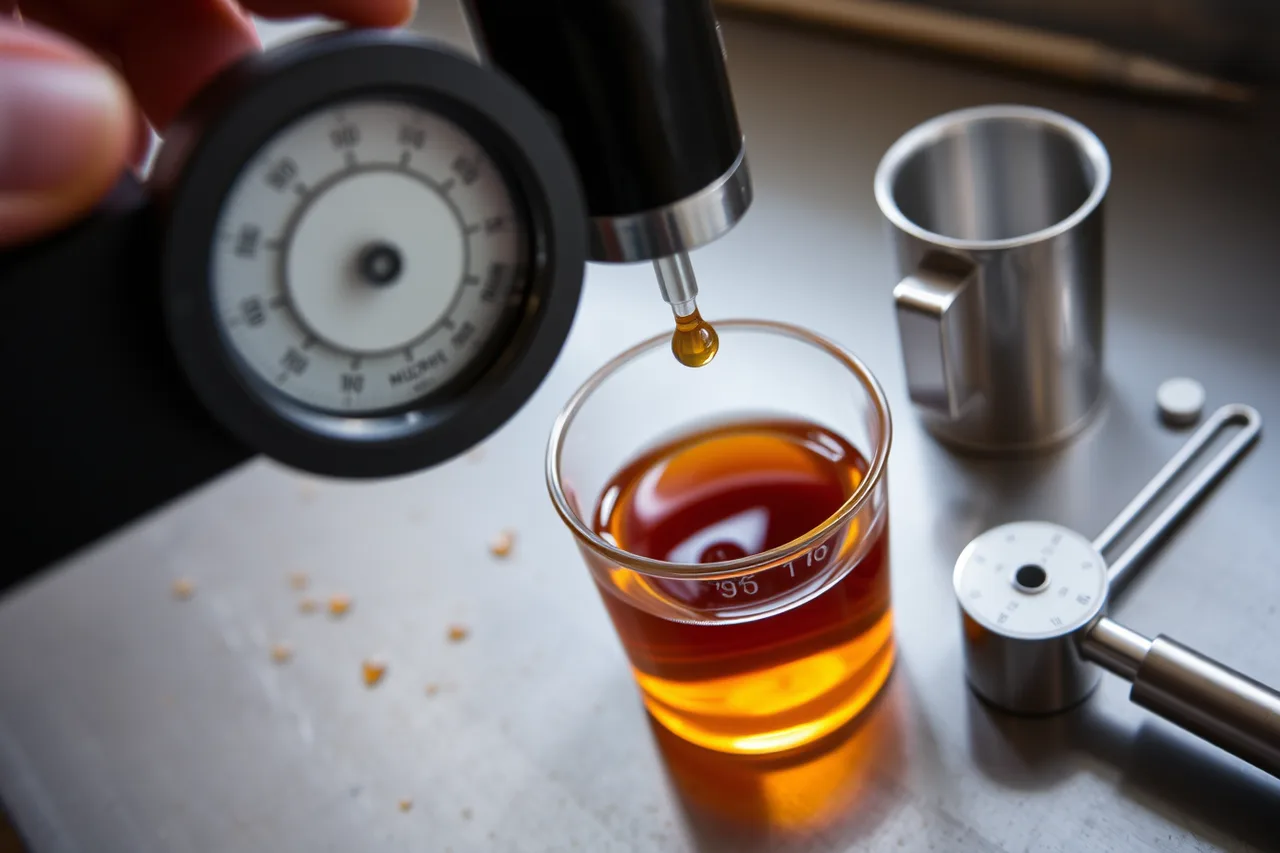
Syrup below 66 percent Brix is more likely to ferment and grow mold. Syrup above 68.9 Brix may crystallize. The manual lists hydrometers, hydrotherms, Murphy cups and refractometers for checking density, and warns that hydrometers depend heavily on temperature. You do not need any of that at home.
A producer holds one property to a measured window, and asking what theirs was is fair. At home, density is one measurable point of context, not a substitute for tasting.
Understand what varies before you taste
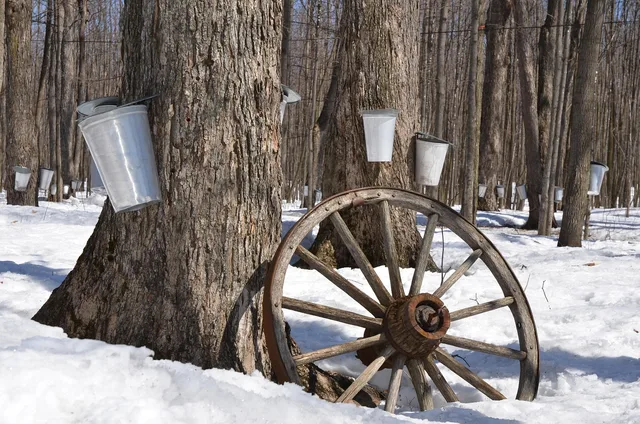
Every specialty has variables you cannot read off the label. In maple they are the season, the woodlot, the equipment and the boil. In country ham they are the cure, the smoke and the months in the aging room. In tupelo honey the bloom is short enough that the year can matter more than the maker.
Penn State's production guide, last updated in 2010, cites more than 1.3 million gallons as the national average then. Recent National Agricultural Statistics Service reports put United States output in the 4 to 5 million gallon range. Vermont consistently produces the most in the United States, while Quebec exceeds 6.5 million gallons.
The scale is small and geographically concentrated, which is why two bottles from neighboring counties can taste noticeably different. The same holds for cheddar from two creameries in one state, or country ham from two towns.
A comparison that teaches something
- Same category, same grade or class, two producers. Tests the maker.
- Same producer, Golden Delicate and Dark Robust grades. Tests the grade scale.
- Same producer, two seasons. Tests the year.
- Same jar, opened fresh and again after a month. Tests your storage.
The fourth flatters nobody, because a half-empty jar at room temperature ages faster than a full one.
The second comparison is the one most people skip and the one that pays off fastest. Buying two grades from a single producer removes the maker as a variable entirely, so whatever you notice is the grade scale and nothing else. Once you can hear that difference reliably, comparisons across producers become far easier to interpret.
Two producers make the point concrete. Cabot Creamery sells Vermont cheddar at several ages, so one maker can supply both halves of a grade comparison. Benton's Smoky Mountain Country Hams in Madisonville, Tennessee, cures, smokes and ages its own hams, so the cure is the maker's choice.
Set the table the same way each time
Element / Fix it at
- Serving temperature
- Room temperature, measured once and repeated
- Portion
- A teaspoon, or a thin slice, equal for each
- Order
- Lightest to darkest, decided before pouring
- Reset
- Plain water, room temperature, between samples
Write it down while the sample is in front of you
Two sentences per sample, written at the table. Note anything that surprised you and anything you disliked, because dislikes are more reliably remembered than praise. Keep the notes with the label photograph. The full protocol for a longer session is in building a tasting flight, and the defect vocabulary is covered in a beginner guide to tasting.