Guides
Appalachian Apple Butter Small Batch: What Goes Wrong
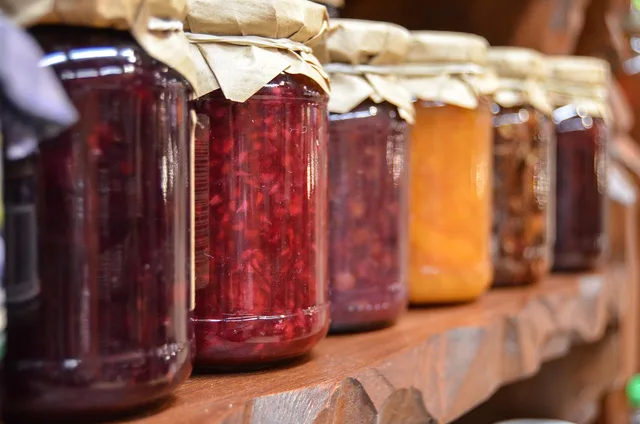
Appalachian apple butter small batch jars fail months after you seal them. Learn what causes a loose set, a weak seal or a dull flavor, and how to prevent it.

Contributor
Amelia D. Reed is the editorial byline assigned to this area. Background, definitions and the interpretation of available information belong to this editorial remit. Subject: Regional American foods and pantry brands. The emphasis is on useful distinctions rather than a universal recommendation. This is an editorial pen name used by the publication, not a claim of an independently verified personal identity.
Guides
Appalachian apple butter small batch jars fail months after you seal them. Learn what causes a loose set, a weak seal or a dull flavor, and how to prevent it.
Guides
New Mexico green chile brands vary by cultivar, roast and grade, so a jar from Hatch and one from Albuquerque can taste nothing alike. Here is how to read them.
Costs
Track a year of pantry buying month by month, note first impressions on arrival, and write it up with scope, spend, records, lessons, and limits.
Reviews
Why this site has published no American pantry product reviews yet, the evidence standard it would require before publishing one, and the public records readers can check any pantry claim against.
Reviews
Independent producers make most of a regional board; extension crop handbooks show what a region grows and when, and two worked boards show the method.
Reviews
Regional food subscriptions storage: a subscription delivers on its own schedule, so the freezer and the pantry need a rotation system rather than good intentions.
Reviews
Regional food subscriptions tasting works best with same-category boxes, coded samples, origin checks, and cost per item you would rebuy.
Rules
Louisiana cottage food rules cap direct home sales and annual revenue for pantry makers; learn where the exemption ends and commercial licensing begins.
Rules
New Mexico chile labelling runs on state certification, a defined harvest calendar, and FDA rules. Here is how buyers verify Hatch and Santa Fe area chile.
Industry
The USDA Local Food Marketing Practices Survey counts direct sales by U.S. farms, and small pantry producers can use its figures when pitching groceries.
Rules
Made in USA claim rules turn on the FTC enforcement standard, the Made in USA Labeling Rule, and USDA origin rules for regional pantry labels.
Guides
Portland cottage food producers verify provenance with Oregon licensing, farm-direct records and label checks that buyers can test before ordering.
Features
Small-city pantry markets in Asheville and Burlington hinge on state cottage food rules, tourism demand and how co-op distribution works in each city.
Features
Five ways to serve: a strong jar goes further than people expect, and the difference between a good plate and a wasted one is usually the size of the first serving.
Industry
Ten named pantry brands, from Bob's Red Mill to Bueno Foods, plus the independent food brands trends shaping what a label really tells you.
Reviews
Retailer checklist for stocking independent food brands: before a first order, confirm the barcode, the processing rules that apply to that specific food.
Rules
Six mistakes that spoil a tasting flight of regional specialty foods, and how to avoid each: vague questions, the wrong test, results read as magnitudes, room bias, uneven samples and one-jar verdicts.
Reviews
Most specialty food is wasted after it is opened, through jar size, serving habits, time out of the refrigerator and the habit of saving something good for an occasion that never comes.
Maintenance
Overbuying and untested preservation are the two specialty pantry mistakes that cost the most, and both are decided early: at the register or before the first jar is filled.
Industry
Specialty foods businesses meet light rules on shelf-stable jars and a federal license on produce: where the PACA thresholds sit and why shops start small.
Costs
Heritage crops cost more because they yield less and take more handling, and the current research on them is aimed at exactly those two problems.
Industry
For buyers evaluating regional American foods businesses, five questions can clarify whether a market-tested product is ready for a store shelf.
Industry
How to test a heritage claim on a pantry label: why a named variety matters, the five federal criteria for a variety, and the four questions to ask.
Features
Six low-cost ways to learn a heritage food category, from a side-by-side cook test to growing a single plant of the variety you have been buying for years.
Industry
Five checks decide whether a heritage pantry product is worth its shelf space: variety name, seed source, harvest year, organic fit and honest shelf life.
Reviews
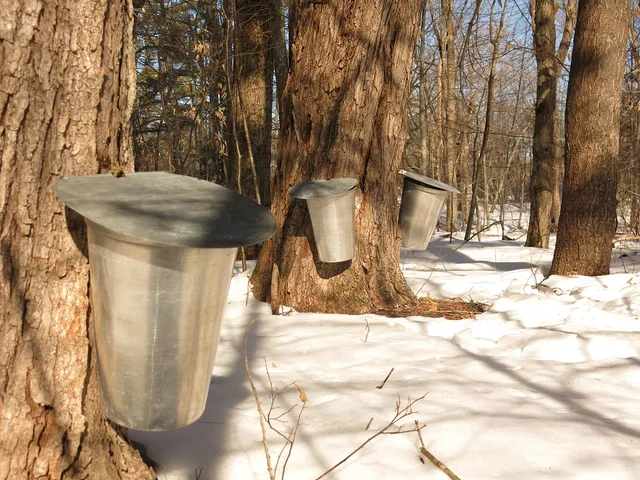
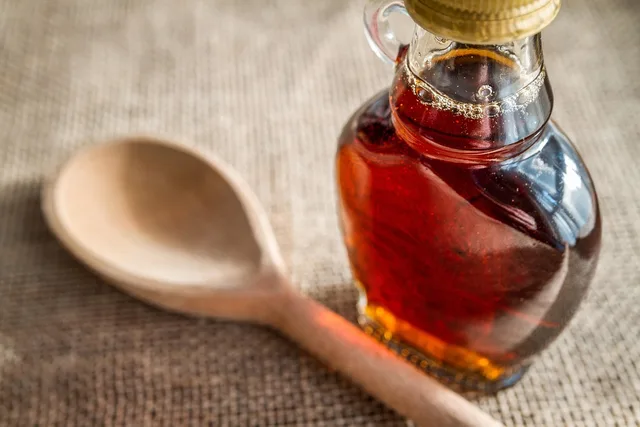
State food specialties tasting starts with maple syrup: see why density matters, how to isolate one variable, and how to record a fair at-home comparison.
Industry
Four labeling and recordkeeping rules will change what pantry buyers see on jars and what small producers must document on compliance sheets before 2028.
Reviews
Two regional food boxes can carry the same brand names and arrive in very different condition, because the cold chain decides what you actually taste.
Reviews
State inspectors publish what they actually find wrong with specialty products on retail shelves, and their list of failures is the best buying checklist available.
Costs
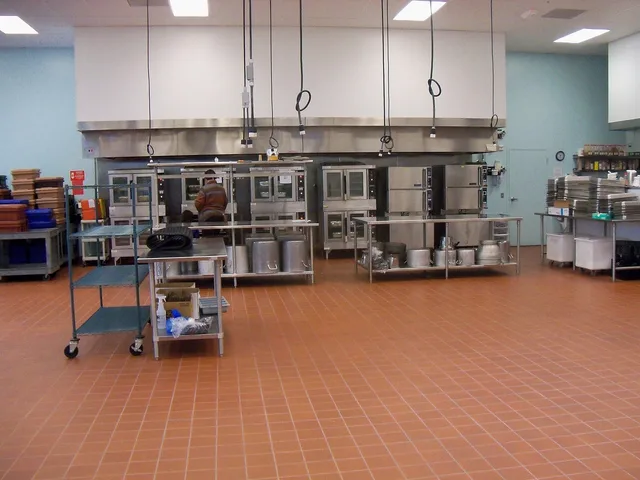
Specialty foods brands can build a kitchen, rent a shared one or hire a co-packer: what each route involves and the co-packer questions that become cost lines.