Rules
New Mexico chile labelling, state certification and the harvest calendar
New Mexico chile labelling runs on state certification, a defined harvest calendar, and FDA rules. Here is how buyers verify Hatch and Santa Fe area chile.
What to take away
- New Mexico chile labelling separates state-certified chile from chile that only carries a place name on the front panel.
- Certification is administered by the New Mexico Department of Agriculture, which licenses producers and packers and audits the chile they sell under the name.
- The harvest calendar runs roughly from late July in the Hatch Valley through October, with Santa Fe area fields and northern pueblos finishing later.
- A certified label may claim origin, variety and grade. It may not claim organic, non-GMO or health benefits unless a separate federal program backs that claim.
- Pantry buyers should ask five things before a first ordercertification number, harvest date, processing method, lot traceability, and allergen and ingredient disclosure.
- Federal rules from the FDA sit underneath all of it, so a state seal never replaces the ingredient, net weight and allergen statements.
How New Mexico chile certification works
New Mexico chile certification is a state marketing program, not a federal one. The New Mexico Department of Agriculture runs it through its New Mexico Certified Chile program, which licenses growers, processors and packers who want to use the certified mark on retail packaging.
The program exists because the word chile means many things in commerce. Pods grown in the Hatch Valley, in Chimayo, in the Mesilla Valley and in fields north of Santa Fe can all be sold as New Mexico chile. The certification mark ties a package to a specific growing area and a specific handler.
A producer applies to the department, submits field locations, and agrees to record keeping that lets inspectors trace finished product back to a field. Once approved, the handler may print the certified mark and the licensed certification number on the label.
Certification is annual. A handler who skips a season, changes fields or switches processors must reapply, and the number on the package should match the current license year. That is the first thing to check on a label.
The program covers several pod types. Long green chile, commonly called Anaheim or New Mexico 6-4, is the volume crop. Sandia and Barker varieties are hotter. Chimayo chile is a distinct landrace grown in a small northern corridor. Pueblo and poblano types appear in blends.
Red chile is the same plant left to ripen. A handler who sells both green and red under one certification number is normal, but the harvest date on each package will differ by weeks.
Some New Mexico producers sell under a Hatch name without the state mark. That is legal if the chile actually came from the Hatch Valley, but the mark is the only thing a buyer can verify from a distance.
The state seal is not required by law, which is why the strictly regulated end of the specialty food market looks different from the symbolic end.
For a pantry buyer, the practical effect is simple. Certified product carries a traceable number. Uncertified product carries a story. Both can be good chile. Only one can be checked against a state list.
The New Mexico harvest calendar from Hatch to Santa Fe area fields
The Hatch chile harvest calendar is driven by elevation and by the first cold night. The Hatch Valley sits around 4,000 feet in Sierra and Doña Ana counties, and it picks first.
New Mexico chile harvest calendar
- Late JulyHatch Valley green chile harvest opens
- AugustPeak roasting season for retail buyers
- September-OctoberRed chile left to ripen, then dried
- Mid-late AugustSanta Fe and Espanola fields start
- Late October-NovemberHard freeze ends the season
Green chile harvest in the Hatch Valley typically opens in late July and runs through September. The peak roasting season for retail buyers falls in August and early September, when roadside roasters and grocery chains across the Southwest fire up.
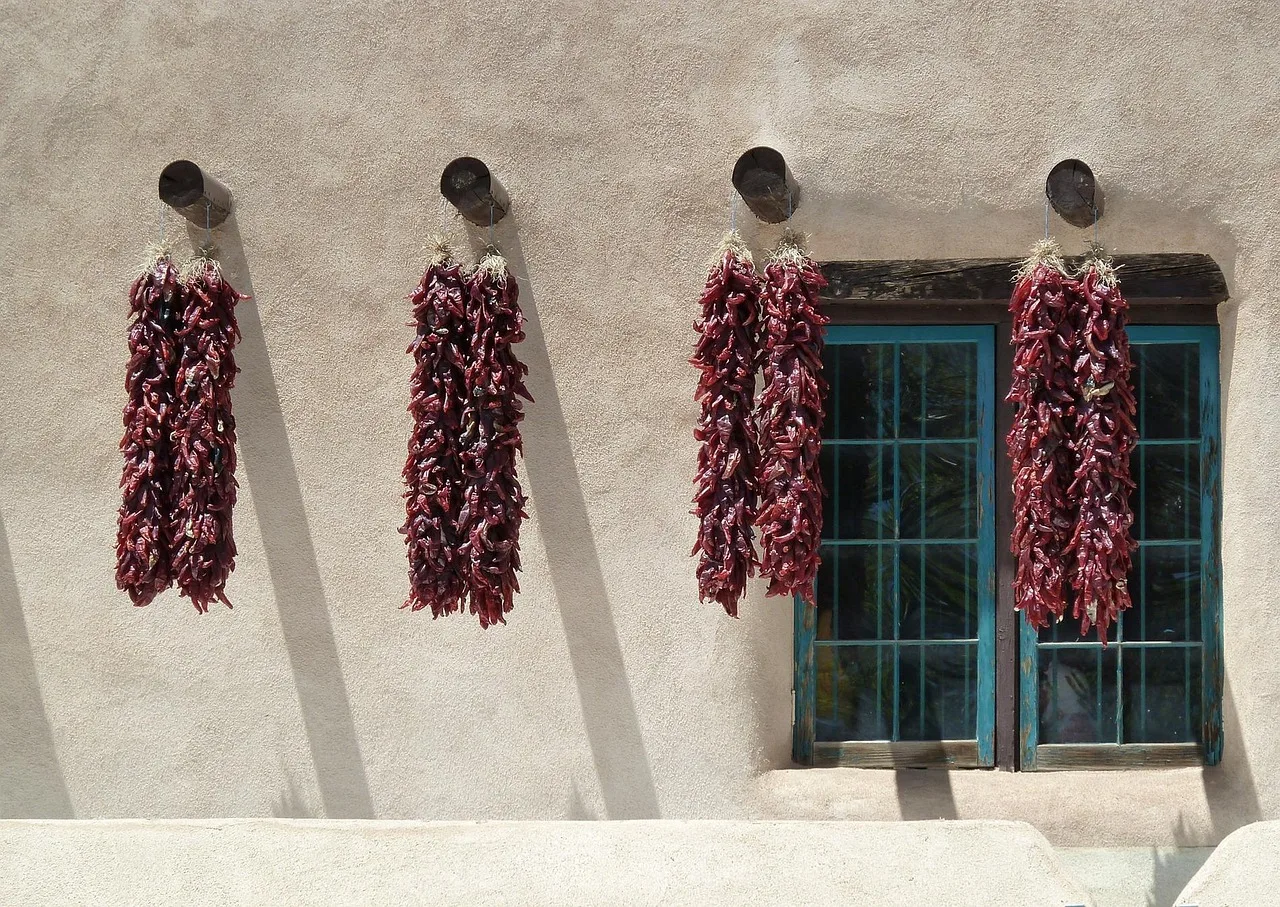
Red chile harvest follows. Growers who want red pods leave fruit on the plant into September and October, then dry or string it. Dried red pods and ristras usually reach market from October into December.
North of Hatch, the calendar slips. Fields around Lemitar, Socorro and the Albuquerque area run a week or two behind the valley. The Santa Fe area and the Espanola Valley, at 5,500 to 7,000 feet, often start in mid to late August and finish in October.
A hard freeze ends the season. In most years that lands in late October or early November in the north, later in the south. A late freeze in the north can cut a crop short, which is why the narrow harvest window shapes what independent makers can put in a jar.
New Mexico harvest calendar
| Period | Growing area | Typical activity |
|---|---|---|
| Late July to August | Hatch Valley, Mesilla Valley | Green chile harvest opens, roasting begins |
| August to early September | Hatch, Lemitar, Albuquerque area | Peak green chile volume and retail roasting |
| Mid August to October | Santa Fe area, Espanola Valley | Northern green chile harvest |
| September to October | Statewide | Red chile left to ripen, drying begins |
| October to December | Statewide | Dried red pods, ristras, powders reach market |
Freezing and canning extend the calendar past the field season. A jar packed in September may be sold the following spring, and that is normal. What matters is whether the label states the pack date or only a best-by date.
What a certified label may and may not claim
A certified New Mexico chile label may state the growing area, the certification number, the pod type or variety, and a grade if the handler uses one. It may state that the chile was grown and processed in New Mexico when the license covers both steps.
What a certified label may claim
May claim
- Growing area
- Named valley or region
- Certification
- State license number
- Organic
- Only with USDA certificate
- Non-GMO
- Third-party verification
- Health
- Nothing
May not claim
- Growing area
- Hatch name outside valley
- Certification
- Federal endorsement
- Organic
- State mark alone
- Non-GMO
- State mark alone
- Health
- Capsaicin or metabolism claims
It may not claim organic unless the operation holds USDA organic certification. That is a separate federal program with its own inspectors and its own certificate number, and the state chile mark does not substitute for it.
It may not claim non-GMO status through the state mark. Non-GMO claims rest on third-party verification programs or on the absence of a genetically engineered variety, and chile varieties sold in New Mexico are conventionally bred.
It may not make health claims. Statements about capsaicin, metabolism or pain relief cross into drug or supplement territory, which the FDA regulates separately from food.
It may not imply a federal endorsement. The certification mark is a state mark, and packaging that suggests USDA approval of the chile itself is misleading.
It may not use the Hatch name for chile grown outside the Hatch Valley. The name refers to a place, and the state program treats it that way.
A useful habit is to compare the front panel claim with the back panel facts. The four label elements that every regional American food package must show will tell you whether the maker is being straight with you.
Questions a pantry buyer should ask a producer
Ask these before the first order, in writing, and keep the answers. A producer who answers all five quickly is usually a producer worth buying from.
Five questions before the first order
- Certification number and license year
- Harvest date and field locations
- Processing method and where it happened
- Lot code tracing package to field
- Allergens, added ingredients, net weight
Beyond the five, ask about volume. A maker who sells out every September cannot fill a large standing order in March, and a buyer who plans a holiday promotion needs to know that in advance.
Ask about shipping too. Frozen green chile needs cold chain, and a small producer may ship only within a region. That affects landed cost more than the sticker price does.
Ask whether the producer sells under their own brand or packs for others. Private label chile is common, and the certification number on a private label package should belong to the handler who packed it.
Ask for a sample before committing to a pallet. Roast level, salt and acid vary widely between makers, and a sample is cheaper than a returned order.
Public failure lists from state inspectors make a good cross-check. If a producer has repeated labelling or sanitation findings, that record is worth more than a brochure.
Where state certification meets FDA food labelling rules
State certification and FDA food labelling rules operate at the same time. The state program governs origin and the use of the certification mark. The FDA governs what must appear on the package regardless of origin.
State certification versus FDA rules
State program
- Scope
- Origin and mark
- Identity
- Growing area
- Ingredients
- Not covered
- Allergens
- Not covered
- Safety
- Licensing and traceability
FDA
- Scope
- Package contents
- Identity
- Statement of identity
- Ingredients
- Ingredient list required
- Allergens
- Eight major allergens
- Safety
- Produce safety rule
Federal law requires a statement of identity, a net quantity of contents, an ingredient list when there is more than one ingredient, and allergen labelling for the eight major allergens. Nutrition facts are required for most packaged foods.
The FDA also sets the rules for standardized foods and for claims like healthy, natural and light. A chile powder blend with added salt and anti-caking agents is a multi-ingredient food, and the ingredient list must reflect that.
Food safety rules for the chile itself come from several directions. The FDA's produce safety rule covers growing and harvesting practices on covered farms. The EPA regulates pesticides used on chile fields, and its chemicals, pesticides and toxics topics pages are where handlers check whether a product is registered for use on peppers.
Water used in washing and processing is regulated too, and the EPA water topics pages explain the standards that apply to food processing operations.
When rules change, the Federal Register is the record. Handlers track proposed and final rules through the health and public welfare topic, and buyers can do the same.
The CFR indexing terms let you find the food labelling regulations that sit behind a given rule, and the current issue shows what published most recently.
A pantry buyer does not need to read all of it. A buyer does need to know that a state seal and a federal label statement answer different questions, and that a package missing an allergen line is a problem no state chile mark can fix.
Reading a New Mexico chile label before the first order
Work through the package in this order. Front panel first, then the information panel, then the code.
Reading a chile label in order
- Statement of identity says what it is
- Certification number looks current
- Growing area names a valley or county
- Ingredient list discloses salt, acid, oil
- Allergen statement covers major allergens
- Net weight in metric and US units
- Lot code traces back to a harvest
If the front panel says Hatch and the back panel names no grower and no certification number, treat the claim as marketing. It may still be true, but you cannot check it.
If the package carries a certification number that does not match the handler's current license year, ask why. Licenses lapse, and a stale number on a fresh jar is a warning sign.
If the label claims organic and state certification but shows only one certificate, ask for the second. The two programs are separate, and a maker who holds both will have paperwork for both.
A final check is price against season. Fresh roasted green chile is a fall product, and a rock-bottom price in February usually means frozen or imported pod material. Neither is illegal, but the label should say so.
Buyers who want a wider set of comparable products can review the New Mexico Green Chile Pantry Brands field guide and line up questions before contacting producers directly.