Reviews
Part of What to look for when reviewing a regional food subscription, in plain terms
Regional Food Subscriptions Tasting: A Home Method
Regional food subscriptions tasting works best with same-category boxes, coded samples, origin checks, and cost per item you would rebuy.
What to take away
For a regional food subscriptions tasting, compare the foods, origin claims, and rebuy value—not just the insert's advertised retail value.
- Advertised retail value is the least useful number a box prints on its insert.
- Weigh what you receive. Declared net contents are a regulated statement you can check.
- Compare on cost per item you would rebuy, which is the number that predicts your next year.
- Run both services in the same month, or the seasons will do the comparing for you.
Set the comparison up properly
For a cheese-focused comparison, consider regional American food subscription options, such as Murray’s Cheese Club and Wisconsin Cheese Mart’s Cheese of the Month Club. Confirm each ships to your address and that the schedules can be aligned; check the current listings and compare cheese with cheese. Same household, same month, same weather. Anything else and you are comparing October with March.
Open both boxes the same day if delivery dates allow, and do not read the inserts until after you write your first impressions.
For example, a box may contain Vermont maple syrup or Georgia pecans; record the producer, where it is based, and the stated product or ingredient origin separately. Cabot Creamery Co-operative in Vermont and Hook’s Cheese Company in Wisconsin are examples of regional makers to recognize if they appear. A producer can be local while an ingredient comes from elsewhere, so note both when the packaging identifies them.
For covered commodities, the USDA Agricultural Marketing Service’s Country of Origin Labeling (COOL) rules address country of origin, not the U.S. state where a product was made. For a state-level claim such as Vermont or Georgia, check the maker’s product-specific sourcing information; if it does not say, mark the origin unverified rather than inferring it from the box or the maker’s address.
The insert is a sales document that tells you what to think before you decide anything yourself. That is one of the ordinary ways a tasting talks itself into a conclusion, and the cheapest one to avoid.
Taste one pair at a time
Choose a matched pair—one comparable item from each box—for each session, rather than sampling everything at once. Have someone else assign random codes and hide the packaging; if you are alone, cover the labels and shuffle the serving order. Serve equal portions at the same temperature, then randomize which sample comes first to reduce order effects.
Taste both samples, cleanse your palate with water and plain crackers, and score each separately on the same low, medium, or high scale for aroma, flavor, texture, and whether you would buy it again. Record your preference after scoring, and keep ingredient and allergy information visible before serving.
Weigh things, because the numbers are checkable
A declared net weight is not decoration. Checking net contents is a formal compliance activity: NIST maintains Handbook 133, Checking the Net Contents of Packaged Goods.
Its current edition, adopted by the 109th National Conference on Weights and Measures, sets out gravimetric and volumetric test procedures used by weights and measures officials.
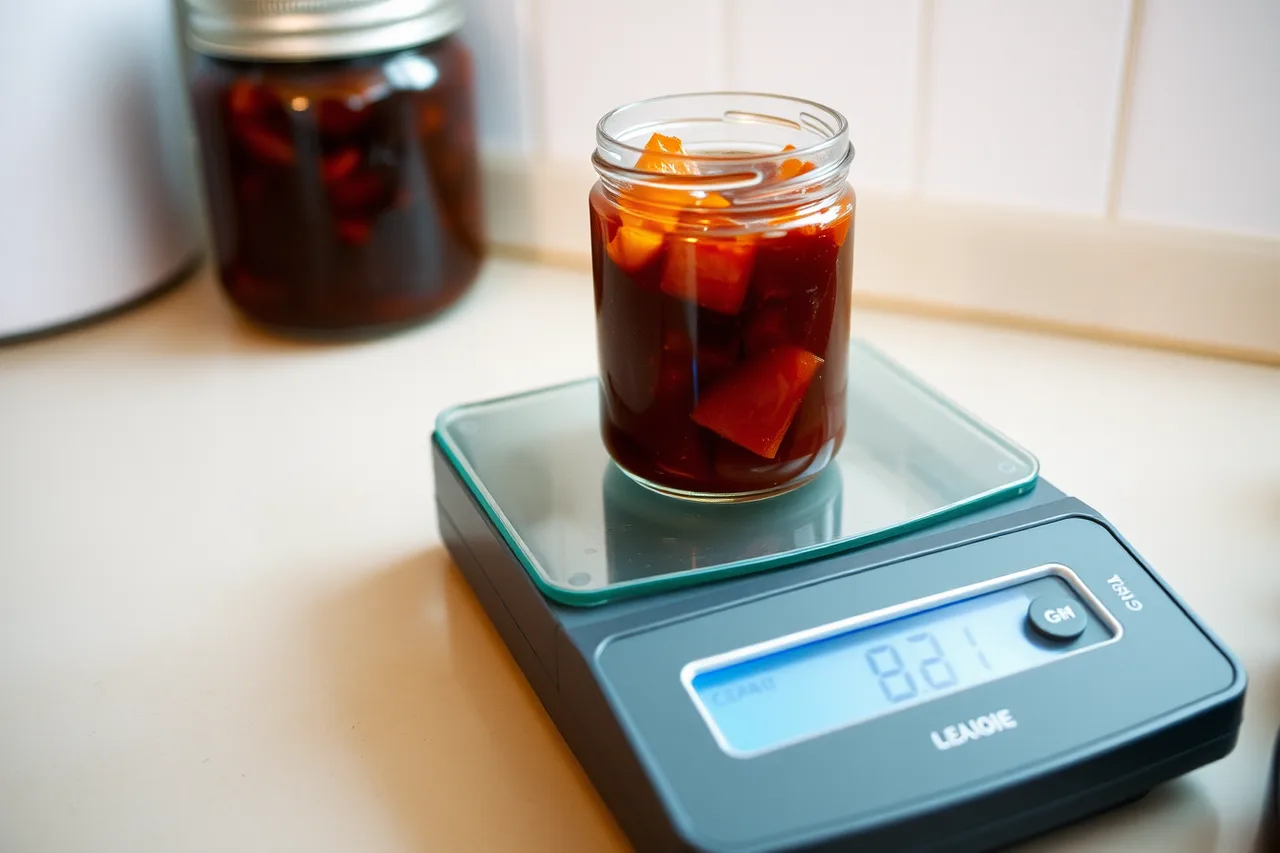
You are not running a compliance inspection at your kitchen counter. But a kitchen scale plus the declared weight gives a real comparison between two boxes. A consistently light item is worth a question.
The same scale earns its keep at the table: measuring a serving once teaches you what the portion should look like for the year.
The budget frame
Cost per box means little without household context. Utah State's guidance on making a food budget says grocery budgets swing widely month to month, and one trip can blow the budget. The rule of thumb: roughly $75 to $100 monthly per person, starting at $300 for a household.
Set the subscription against that figure rather than against its own advertised value. A box is a line in a food budget, not a separate category of spending.
The comparison sheet
Box A
- Total paid, including shipping
- Number of distinct items
- Combined declared weight
- Items you would buy again
- Cost per rebuy item
Box B
- Total paid, including shipping
- Number of distinct items
- Combined declared weight
- Items you would buy again
- Cost per rebuy item
The last row is the answer: count only the items you would actually rebuy, then divide the total paid, including shipping, by that count. That gives you the cost per rebuy item. If you would rebuy none, there is no meaningful per-item figure. Everything above it is working, and it is worth keeping the working, because next year you will want to know whether a price rise came with more items or fewer.
Fill the sheet in on the day. A comparison reconstructed from receipts a month later loses the two things that mattered most, which are the condition on arrival and your first impression before you read the insert.
Reading the result
If you want to check whether you can distinguish two samples, running a triangle test is a separate tasting exercise. For the subscription decision, use your rebuy list and cost per rebuy item; judging a service over three months is a different question.