Reviews
What to look for when reviewing a regional food subscription, in plain terms
A single box shows packing, not service. Three months of the same recorded fields on your kitchen table shows whether you actually rebuy what arrives.
What to take away
- One box is a demonstration, packed for a stranger. Month four is the service you actually bought.
- Federal transport rules cover safety, not quality. A box can arrive legally and still be poor.
- Record the same six fields each month, or you are comparing memory to memory.
- Cost per item you would rebuy is the only number that survives three months.
- We do not rank services. We describe the method so you can run it on your own account.
Why one box proves nothing
The first shipment is chosen well and packed carefully. It is also the box the service is proudest of, which makes it the worst evidence you will ever get.
What you want to know is what month four looks like, when your account is ordinary and nobody is watching it.
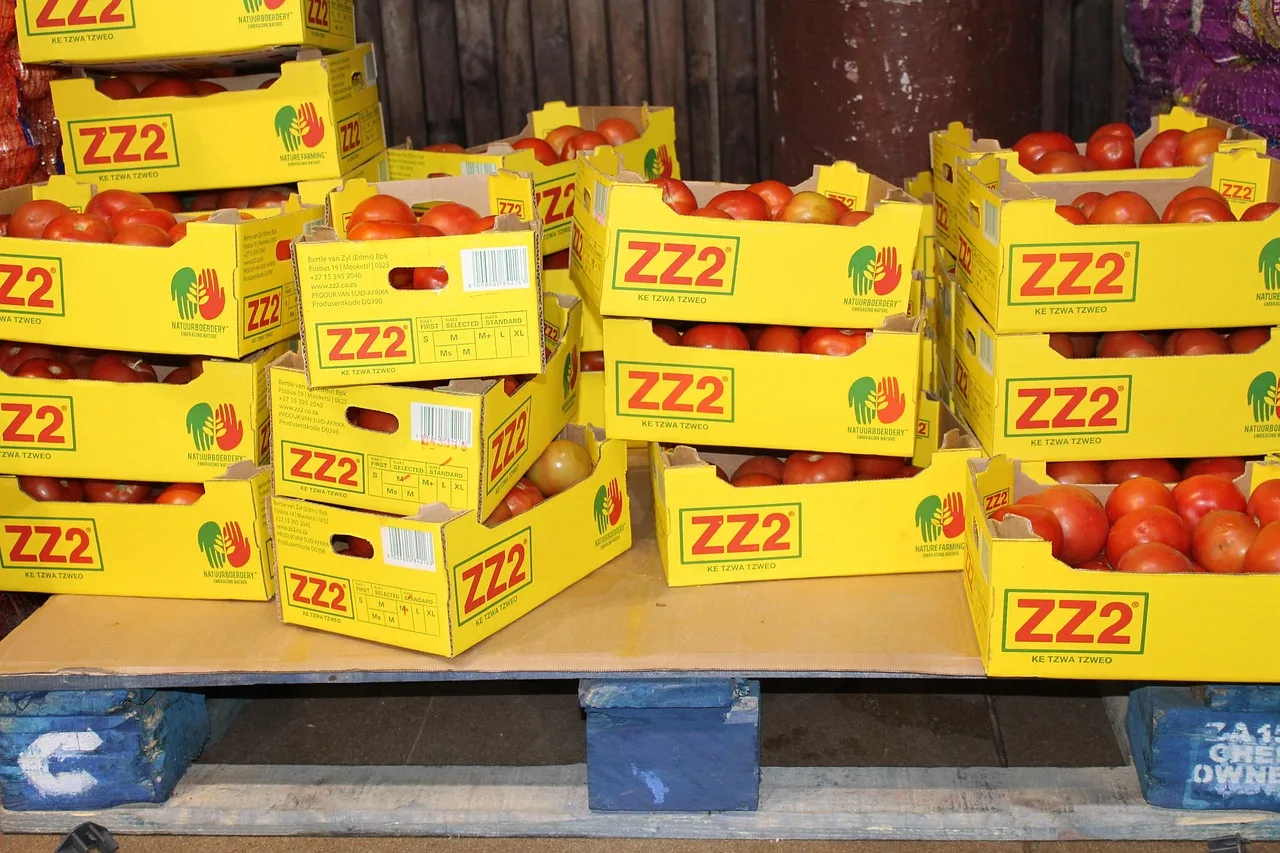
Repetition is the failure that hides best. A service drawing on eight suppliers looks varied in month one, then starts circling by month three. Only a written list of what arrived will show it. Where those suppliers sit is shifting as more distribution runs through hubs than individual producers.
What the transport rules actually cover
Food moving by road or rail falls under the FDA's Sanitary Transportation of Human and Animal Food rule, part of the Food Safety Modernization Act (FSMA) and codified at 21 CFR Part 1 Subpart O. Its key changes page states the rule targets practices that create safety risks, not those that affect quality without making food dangerous. Other Federal Food, Drug, and Cosmetic Act provisions address spoilage and adulteration.
The rule itself sets requirements for shippers, loaders, carriers and receivers. It covers these areas:
- vehicles and equipment
- transportation operations
- records
- training and waivers It does not apply to transport by ship or air.
Compliance is a floor, not a promise about what you open. A box that arrives warm but safe, bruised but edible, or correct but dull has broken no rule and has still failed you. None of those failures will appear in any regulatory record.
The record sheet
| Field | Note each month |
|---|---|
| Arrival date and day of week | Late in the week is a warning sign |
| Condition on opening | Cold source present, damage, leakage |
| Items received | Names, sizes, and any repeats from prior months |
| Cost per item you would rebuy | The only number that matters |
| Anything you gave away | The clearest measure of a poor fit |
| Anything still unopened next month | The quiet failure nobody records |
The last row is easier to fill in honestly if the box was unpacked properly, since dating and shelving on arrival day is what stops a shipment becoming a pile.
Monthly subscription record sheet
- Arrival date and day of week
- Condition on opening
- Items receivednames, sizes, repeats
- Cost per item you would rebuy
- Anything you gave away
- Anything still unopened next month
What a provenance claim is worth
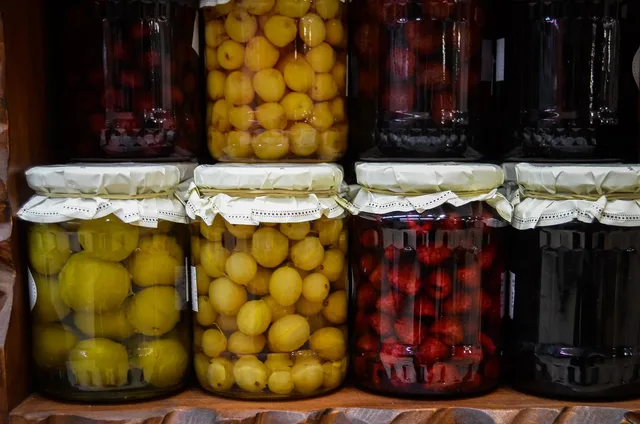
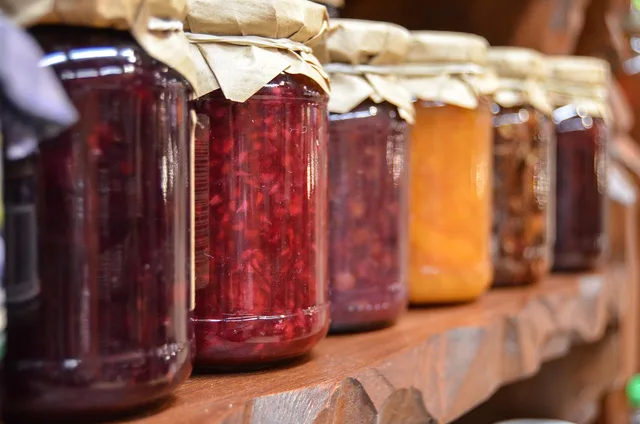
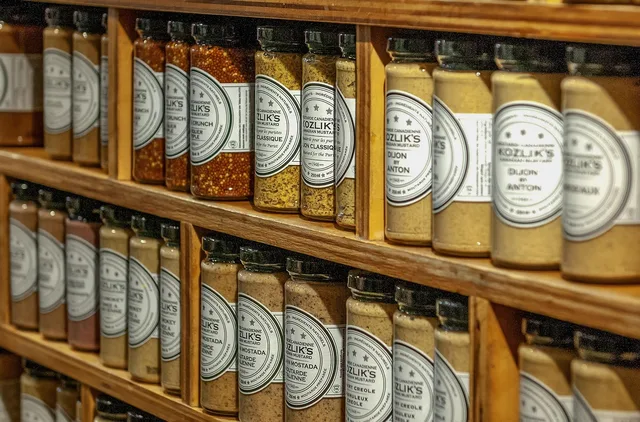
Regional and heritage claims are the hardest part of a subscription to check, and the part most likely to be decoration. A jar labelled with a state or a valley is making a claim you can test against a register.
New Mexico chile is the clearest case, because the state runs a certification with a protected mark: New Mexico Certified Chile, administered by the New Mexico Department of Agriculture. If a box sells you "Hatch" chile, the mark is checkable, and so is whether the producer holds it. Where no register exists, treat the claim as unverified until the seller names the certifying body.
The same test works on other regional labels. Vidalia onions are a mark held by the Georgia Department of Agriculture, and Idaho potatoes are certified through the Idaho Potato Commission. Each of those marks is run by a state body that will confirm whether a grower or packer is licensed to use it, so any box leaning on those names should be able to name the licensed producers behind them.
Ask the service which of its producers hold a certification, and from whom. A supplier list with no certifying bodies on it is a marketing document.
The one question at the end of three months
How many items did you buy again on your own? Not liked, not photographed. Bought again.
A service that produces two repeat purchases in three months is doing its job. One that produces none is entertainment, which is a legitimate thing to buy, and worth pricing as such.
The metric is simple to compute and needs nobody's help: add up everything you paid over the three months, then divide by the number of items you would buy again. A high cost sitting on a low repeat count is the finding, and it is the number your record sheet earns.
The terms to read before you subscribe are the commitment length, the notice period for cancellation, whether renewal happens automatically, and the substitution policy — what the service sends when an item is out of stock. Substitution is where a thin supplier list shows up first. The cold chain check is packing: an insulated liner plus a refrigerant pack, and an arrival day early enough in the week that a missed delivery does not sit over a weekend.
Common questions
Should I review the first box publicly?
It is the least informative box you will ever get from that service. Wait until month three, or say plainly that what you are describing is a first impression rather than a verdict.
Does a damaged box mean a bad service?
Once, no. Twice, it is a packing decision rather than an accident. Note both dates and what was damaged, because the pattern is the finding.
Is repetition always bad?
No. In a single-category subscription repetition is the point, since you are there to compare. In a curated box it usually means a thin supplier list rather than a considered selection.
What if I like everything?
Then note it and check month four. Early enthusiasm is common, it is what the first box is designed to produce, and it is not evidence of anything yet.