Reviews
Part of What to look for when reviewing a regional food subscription, in plain terms
How to store a regional food subscription without losing anything
Regional food subscriptions storage: a subscription delivers on its own schedule, so the freezer and the pantry need a rotation system rather than good intentions.
What to take away
- A full freezer is cheaper to run than a half-empty one, and turning it over matters more than filling it.
- Keep a written inventory. Without one, things are forgotten rather than eaten.
- Hold the freezer at 0 degrees Fahrenheit, and check it with a thermometer rather than trusting the dial.
- First in, first out, arranged physically, not just intended.
The rotation problem a subscription creates
Boxes arrive whether or not the last one is finished. Within three months, an unmanaged household has a freezer drawer of unidentified packages and a cupboard with two of everything.
It is overbuying with a standing order, which is the mistake that costs the most money and hides as enthusiasm. The fix is a system that takes about ten minutes per delivery.
Match storage to the regional product
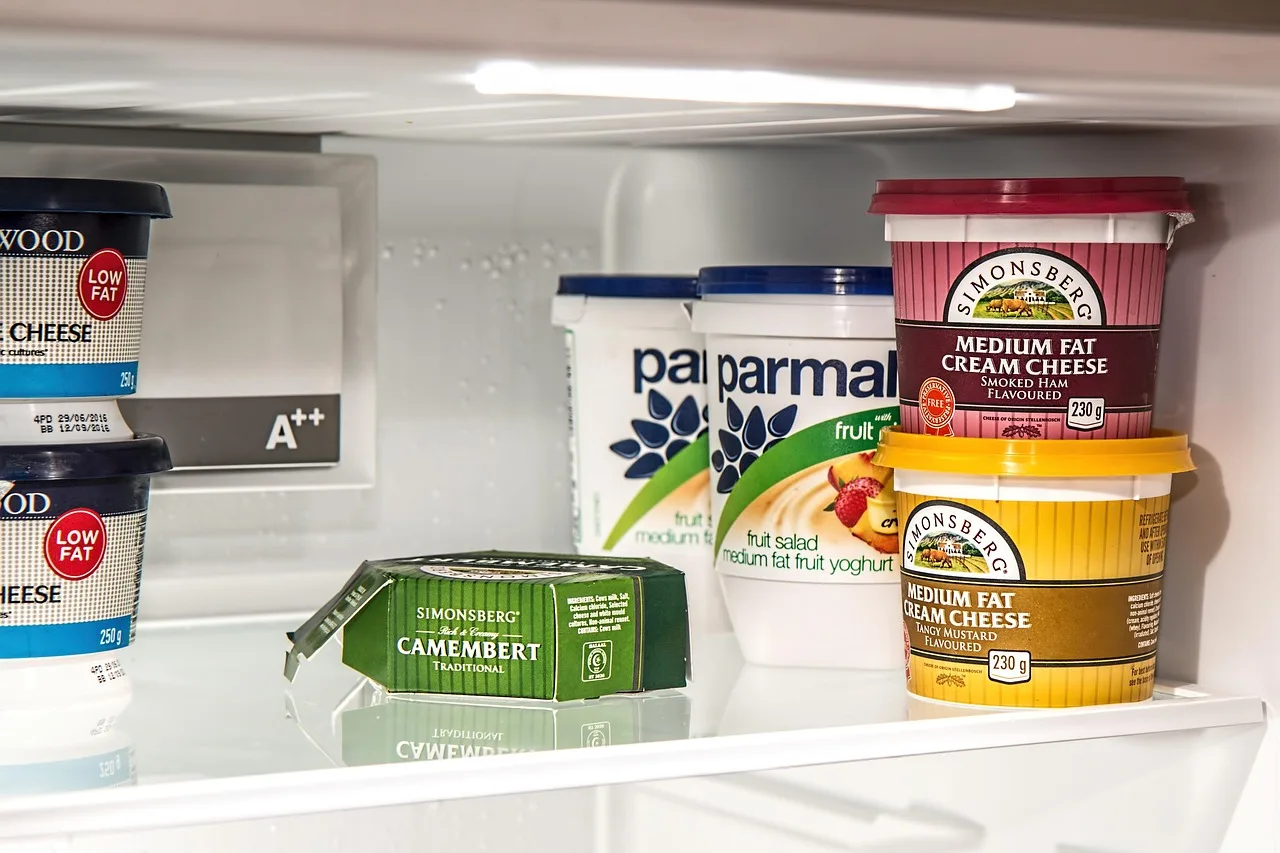
A Wisconsin Cheeseman Cheese of the Month Club shipment needs refrigerator space, not an automatic spot in the freezer. Keep each cheese with its label; after opening, wrap it in cheese paper or waxed paper and place it in a container. Otherwise, wedges can dry out or become unidentifiable in a crowded drawer. Follow any package-specific directions.
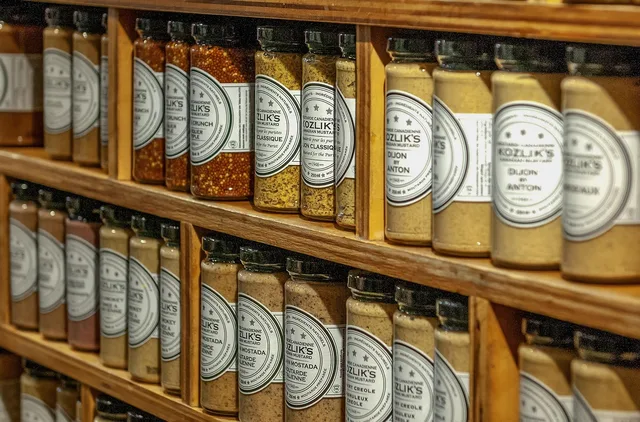
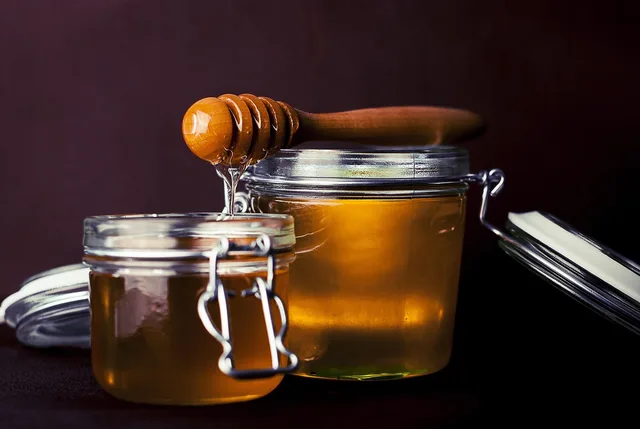
For Vermont maple syrup from Runamok Maple, store an unopened bottle in a cool, dark pantry and refrigerate it after opening to reduce the risk of mold. For Stonewall Kitchen preserves or sauces, keep unopened jars in the pantry and follow the label’s instructions after opening; move opened jars to the front so a new delivery does not bury them.
If a box includes frozen seafood from Maine Lobster Now, keep it frozen at 0 degrees Fahrenheit, record the species in the inventory, and thaw it in the refrigerator according to the package directions. Do not thaw it on the counter. These examples show why an inventory should record what each regional product is and where it belongs, rather than treating every box as one kind of food.
Keep an inventory, on paper, near the freezer
National Center for Home Food Preservation's guidance on freezer management is direct: post a frozen foods inventory near the freezer and keep it current.
List each food and its freezing date as it goes in, then check items off as they come out. That way you know the exact amounts and kinds of food you hold, and nothing gets forgotten.
The same guidance covers organization and economics. Group foods for ease of locating and arrange packages so the oldest are used first. A full freezer is most energy efficient, and refilling it several times a year is most cost efficient, because filling and emptying only once a year makes the energy cost per package very high.
Label so that the package answers its own questions
The same body publishes separate guidance on packaging and labeling frozen foods, and the principle transfers directly to anything arriving in a box. A package that does not say what it is and when it arrived will be opened last, and eventually thrown out unidentified.
Write the product name, the date it arrived, and the quantity. Use a marker that survives frost, and write on the package rather than on tape that will fall off at low temperature. Producers' own labels are frequently printed on paper that does not survive a freezer, so add your own even when the package looks well marked.
Temperature is not a setting, it is a measurement
Ohio State's freezer storage fact sheet states that the recommended freezer temperature of 0 degrees Fahrenheit will keep food safe to eat indefinitely, and that freezing to that temperature inactivates bacteria, yeasts and molds present in food. Safe indefinitely is not the same as good indefinitely, which is why the inventory and rotation still matter.
Keep a freezer thermometer inside and look at it. Domestic freezers drift, and a door left ajar overnight is a common and invisible event.
The ten-minute unpacking routine
| Step | Time |
|---|---|
| Sort into freezer, refrigerator and pantry | 2 minutes |
| Label everything with the arrival date | 3 minutes |
| Add to the inventory sheet | 2 minutes |
| Move older stock to the front | 3 minutes |
| Cross off anything eaten since last time | 1 minute |
If the routine stops keeping up, pause a month rather than stack a shelf. It is usually allowed, and it lands on a producer who committed to a quantity months ahead, which is worth knowing before you ask.
Where this connects
The storage principles for jars and dry goods are in why pantry flavor fades, and the review method the inventory feeds is in what to look for when reviewing a subscription.