Industry
How the USDA Local Food Marketing Practices Survey shapes what small brands know
The USDA Local Food Marketing Practices Survey counts direct sales by U.S. farms, and small pantry producers can use its figures when pitching groceries.

Archive
Industry
The USDA Local Food Marketing Practices Survey counts direct sales by U.S. farms, and small pantry producers can use its figures when pitching groceries.
Rules
Made in USA claim rules turn on the FTC enforcement standard, the Made in USA Labeling Rule, and USDA origin rules for regional pantry labels.
Guides
Portland cottage food producers verify provenance with Oregon licensing, farm-direct records and label checks that buyers can test before ordering.
Features
Small-city pantry markets in Asheville and Burlington hinge on state cottage food rules, tourism demand and how co-op distribution works in each city.
Costs
Appalachian apple butter economics tracks orchard prices, named co-ops in Kentucky, West Virginia and North Carolina, seasonal swings, and the margin left in a jar.
Features
Five ways to serve: a strong jar goes further than people expect, and the difference between a good plate and a wasted one is usually the size of the first serving.
Industry
Ten named pantry brands, from Bob's Red Mill to Bueno Foods, plus the independent food brands trends shaping what a label really tells you.
Reviews
Retailer checklist for stocking independent food brands: before a first order, confirm the barcode, the processing rules that apply to that specific food.
Costs
For independent brands USA shoppers, sales channels explain who sells a jar and who moves it — not where its ingredients grew or whether a local claim holds.
Industry
Independent food brands: FDA has no ownership standard for “independent.” See which food and origin rules apply, and how USPTO records help check a brand name.
Industry
Independent food brands companies: their channel — market stall, specialty shelf or grocery aisle — reveals more about the next two years than a founder story.
Rules
Six mistakes that spoil a tasting flight of regional specialty foods, and how to avoid each: vague questions, the wrong test, results read as magnitudes, room bias, uneven samples and one-jar verdicts.
Reviews
A shipment of shelf-stable food arrives with dates you will misread and storage you have not planned, and both problems are cheaper to fix on arrival day.
Reviews
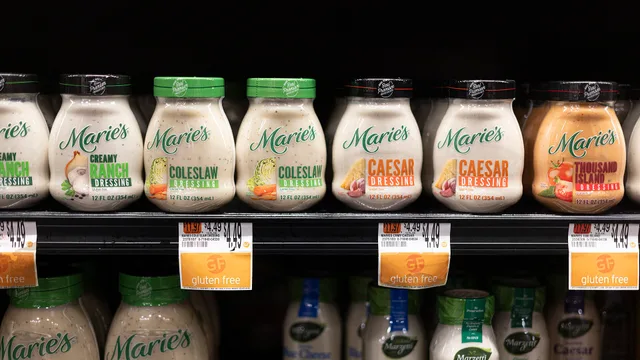
Gluten-free is one of the few marketing words on a package with a number behind it, and knowing that number changes how you read every claim next to it.
Reviews
Most specialty food is wasted after it is opened, through jar size, serving habits, time out of the refrigerator and the habit of saving something good for an occasion that never comes.
Industry
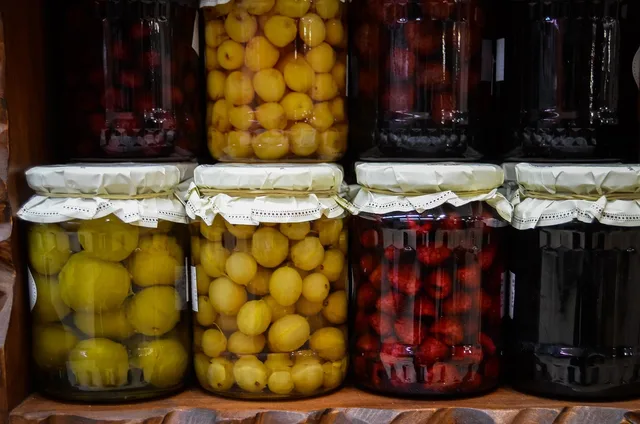
Shops buying small producer's preserves will find the canning methods that disqualify a producer, plain questions to ask, and how to read the answers.
Maintenance
Overbuying and untested preservation are the two specialty pantry mistakes that cost the most, and both are decided early: at the register or before the first jar is filled.