Reviews
Part of Three regional food hubs from USDA's 2012 case studies, and how to read them
What a producer's pantry case study needs to disclose to be useful
Small producers publish their own success stories, and the useful ones name the scale, the year and the costs. The rest are advertising with a chart.
What to take away
- A producer's own case study is a marketing document, which does not make it useless.
- Look for scale, dates and what was excluded. Those three decide whether it means anything.
- Value-added production has a known set of risks, and honest write-ups mention them.
- Where a case study is silent, ask. The silence is usually about the same three things.
Producers write their own case studies constantly
Every founder story that includes numbers is a case study, and so is every grant report, every award submission, and every page headed how we grew.
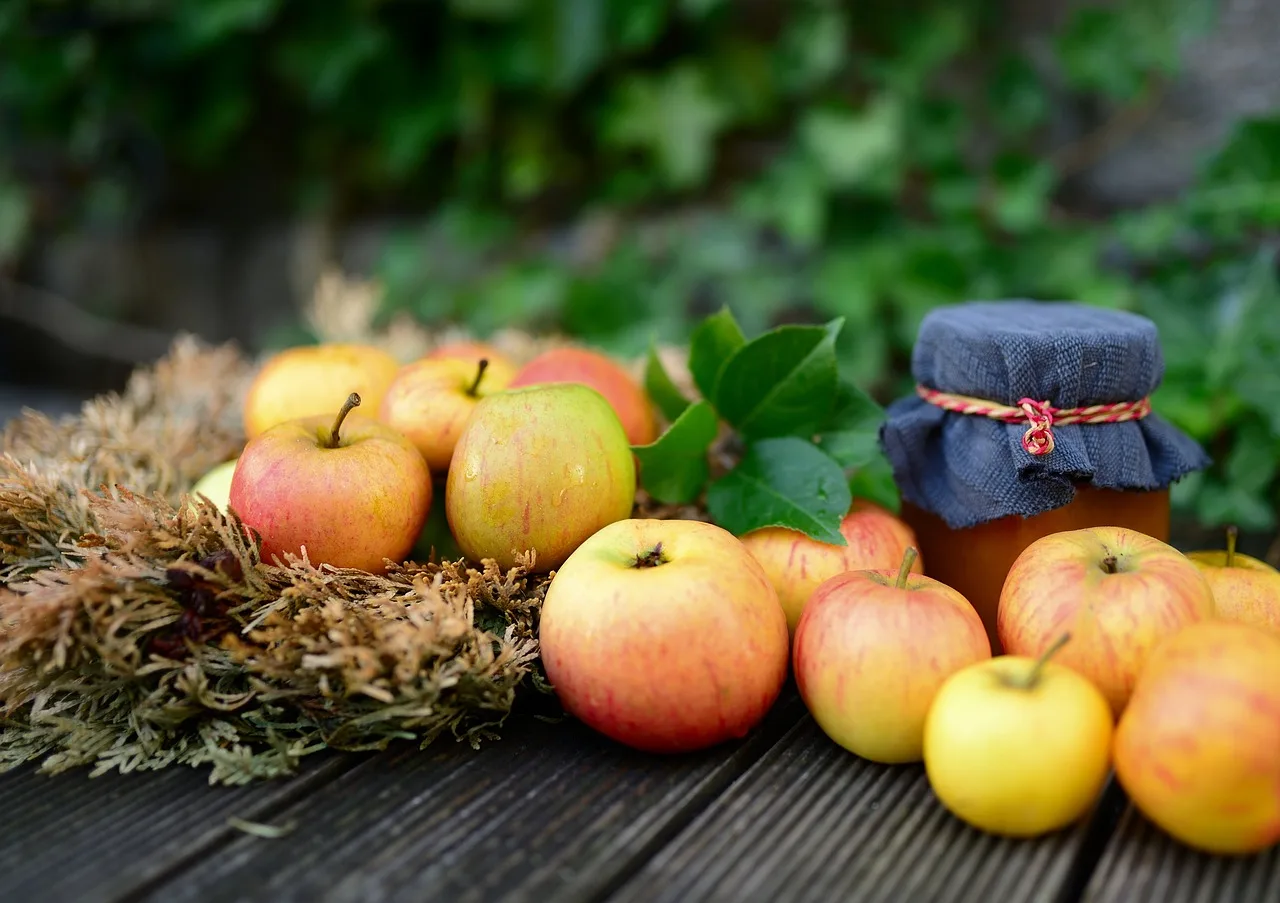
A pantry case study is that same document aimed at a shelf-stable food: a jar of apple butter, a bottle of hot sauce, a bag of stone-ground grits. The food tells you what is being sold; the numbers tell you whether it works.
Worth reading, if you read them as arguments, not findings. A shop can hold one up against something firmer: How shops and bars choose American pantry case studies sets five documented models of local sourcing side by side with a comparison chart.
The genre has a shape. It opens with a problem, introduces a decision, and ends with growth. What it almost never includes is the alternative that was tried first, or the year the numbers came from, and both of those are where the useful information sits.
What value-added actually involves
Penn State Extension's Value-Added Agriculture: Enhancing Farm Opportunities frames the underlying move: agriculture is often thought of as a commodity industry, where a commodity is perceived as being consistent, and value-added work is how a producer steps out of that.
University of Maryland Extension's Specialty Vegetables resource makes a related point about novelty. Specialty vegetables do not have to be strange; they are often simply vegetables not available or grown at scale for traditional market outlets, including crops grown commonly elsewhere in the world but not yet staples here.
Both descriptions imply the risks a good case study will mention: a market that must be created, a customer who must be taught, and a crop or product with no established price. An orchard that turns its apples into apple butter is selling a product rather than a commodity, and it has taken on all three of those risks at once.
The three disclosures that matter
- Scale. How many units, acres, animals or customers. Without this, a percentage means nothing.
- Dates. Which years the figures cover, and what the weather or the market did in them.
- Exclusions. Unpaid family labor, a grant such as USDA's Value-Added Producer Grant, a subsidized facility, or a founder's other income.
A case study that gives all three is useful even if it is promotional. One that gives none is a story, and a story can be enjoyable and still tell you nothing about whether the approach would work for anybody else.
Three disclosures that matter
- Scaleunits, acres, animals, customers
- Datesyears covered, weather, market
- Exclusionsunpaid family labor, grants
- Exclusionssubsidized facility, founder income
- All threeuseful even if promotional
- Nonea story, not evidence
Reading the numbers you are given
| What is stated | What to ask |
|---|---|
| Revenue grew 300 percent | From what starting number? |
| Sold out in a week | How many units existed? |
| Profitable in year two | Was any labor paid at market rate? |
| Expanded to 40 stores | Direct, or through one distributor? |
Where this belongs in a buying decision
Rarely at the front. A producer's case study tells you about a business, not a jar, and the jar is what you buy. Use it to judge whether they will supply in a year. That matters if you are a shop, less if you buy one item.
Case-study write-ups that carry budgets and lessons are the documented alternative to a plain story, and the label-level checks are in what labels can tell you.