Guides
6 Pacific Northwest Smoked Salmon Brands That Ship Direct to Your Door
Six Pacific Northwest smoked salmon brands ship direct to home: SeaBear, Loki, Wildfish, Gerard & Dominique, Tony's Smokehouse, Kwik'pak. Here is how to buy.
What to take away
- Cold smoked and hot smoked are different products. The second is cooked; the first is not.
- On a US label, lox usually means a brine cure with no smoke at all.
- Ask for species, harvest area, salt level and smoke temperature before you pay.
- Six brands named below cover Washington, Oregon and Alaska.
- An unopened vacuum-sealed cold smoked fillet holds for weeks at 38 F or below, and days once opened.
Six direct-ship brands to compare
- SeaBear Smokehouse, Anacortes, Washington, ships smoked king and sockeye portions direct and sells sampler packs. It suits gift buyers who want a known Northwest name.
- Loki Fish Company, Seattle, Washington, is a family run direct seller with small-boat salmon. Its smoked sockeye comes from its own boats and from other small-boat fishers.
- Wildfish Cannery, Klawock, Alaska, hand packs smoked coho and sockeye in tins and pouches. It ships from Alaska and suits buyers who like a small cannery.
- Gerard & Dominique Seafoods, Ferndale, Washington, offers cold smoked and hot smoked salmon fillets online. The company sells direct portions, sliced sides and gift packs.
- Tony's Smokehouse, Oregon City, Oregon, is a family smokehouse that ships smoked salmon and other seafood direct. It suits Oregon and West Coast buyers wanting a longstanding smokehouse.
- Kwik'pak Fisheries, Emmonak, Alaska, is a community-owned Yukon River salmon seller. It ships smoked salmon strips direct and suits buyers who want a Native-owned operation.
Species and smoke style
The species matters more than the wood. King, or Chinook, carries the most fat and smokes into a soft, mild slice. Sockeye is leaner and firmer, with the deepest red flesh. Coho sits between. Cold smoking holds the smokehouse below roughly 90 F. Hot smoking takes the flesh past 145 F. Both cold and hot smoking styles are traditional.
Salmon species and smoke styles
King (Chinook)
- Fat
- Most
- Texture
- Soft
- Color
- Mild
- Smoke result
- Soft, mild slice
Sockeye
- Fat
- Leaner
- Texture
- Firmer
- Color
- Deepest red
- Smoke result
- Firm, red slice
Coho
- Fat
- Between
- Texture
- Between
- Color
- Between
- Smoke result
- Middle
Questions to ask a direct shipper
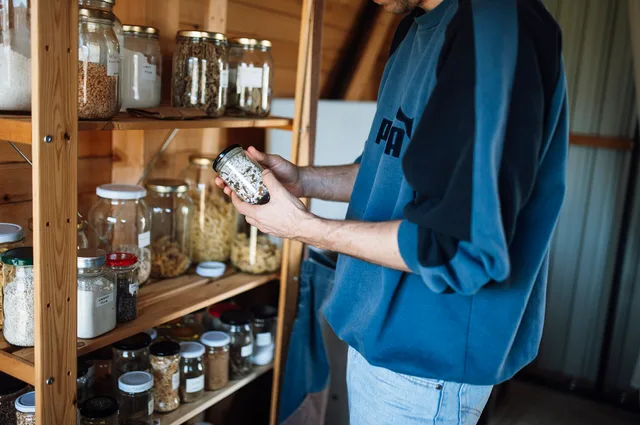
The provenance questions a shop asks before it stocks heritage pantry products work just as well for one gift order. A serious shipper answers all five.
Five questions for direct shippers
- Which species and management area?
- Brine salt percentage and cure hours?
- Smokehouse temperature and duration?
- Frozen at sea, dock, or not?
- Which state permit and number?
Licenses do not travel. Washington licenses processors through its Department of Agriculture, Oregon handles its own food processor program, and Alaska licenses under its Department of Environmental Conservation. A smoker working legally in one state is not automatically legal in another.
What the labels tell you
A specialty food label teaches a habit: sort claims by who enforces them. On smoked salmon, cold smoked is a defined term.
Label claims to verify
- Cold smokeddefined term under FDA HACCP
- Salt percentagereal question for cold smoked
- Wildnot a defined term, check records
- Vacuum sealremoves oxygen, favors Listeria
Under the FDA seafood HACCP regulation at 21 CFR 123, a cold smoked fillet is handled as raw, and salt percentage is a real question.
"Wild" is not a defined term on a smoked fillet, so treat "wild caught in Alaska" as a claim to check against records.
A vacuum seal removes oxygen from the pack. That helps shelf life, and it also favors anaerobic pathogens such as Listeria monocytogenes, which grows at refrigerator temperatures.
Season and run timing
Smoking salmon on this coast long predates refrigeration, and the runs still set the calendar. Runs move through summer and into fall. Chinook arrive in spring and early summer, sockeye peak in July, coho from late summer into October, and chum into November. The Washington Department of Fish and Wildlife posts run timing and openings by river system.
Winter smoking uses frozen stock. That is normal, not a defect. Ask for harvest date and smoke date separately.
Expect one pound wild cold smoked fillet to land in a $40 to $80 band before shipping, an illustrative range. Shipping is billed by zone and weight. Overbuying and bad preserving is where most pantry money is lost.
Storing what you buy
- Check the vacuum seal before the fillet goes in the fridge.
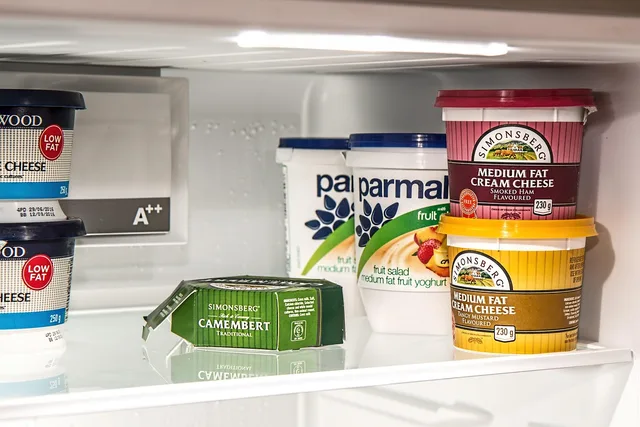
- Set the fridge to 38 F or below and confirm it with a thermometer, not the dial.
- Write the smoke date on the pack, not only the use-by date.
- Once the seal breaks, wrap the remainder against air and finish it within three to five days.
The seal is the whole game. Cold smoked fish is raw flesh with a salt load. Listeria monocytogenes grows at refrigerator temperatures. Once air reaches the cut face, the window drops to days. The same two causes spoil most pantry goods, and cold storage drift is the one a home fridge can fix.